The World’s Copper Giant Is Stumbling Just as the Green Revolution Needs It Most
Key Points
- Chile produces nearly a quarter of the world’s copper—essential for electric vehicles and renewable energy—yet its mining output hit a two-decade low in 2025 while the rest of its economy quietly thrived
- A left-wing president who tamed runaway inflation is handing power to a conservative successor promising significant spending cuts, marking Latin America’s latest political reversal
- The 2.3% GDP growth masks a deeper story: Chile’s economic model is transforming whether its politicians planned it or not
Something unexpected is happening in the world’s copper superpower. Chile’s economy grew 2.3% in 2025—a respectable number—but the story beneath that figure reveals a nation in the midst of an unplanned transformation.
The surprise: mining, Chile’s economic backbone for over a century, is in crisis. Copper production fell to levels not seen in twenty years.
A deadly tunnel collapse killed six workers at the flagship El Teniente mine last July. Ore quality has declined 35% since 2005, meaning miners must move vastly more earth for the same copper.
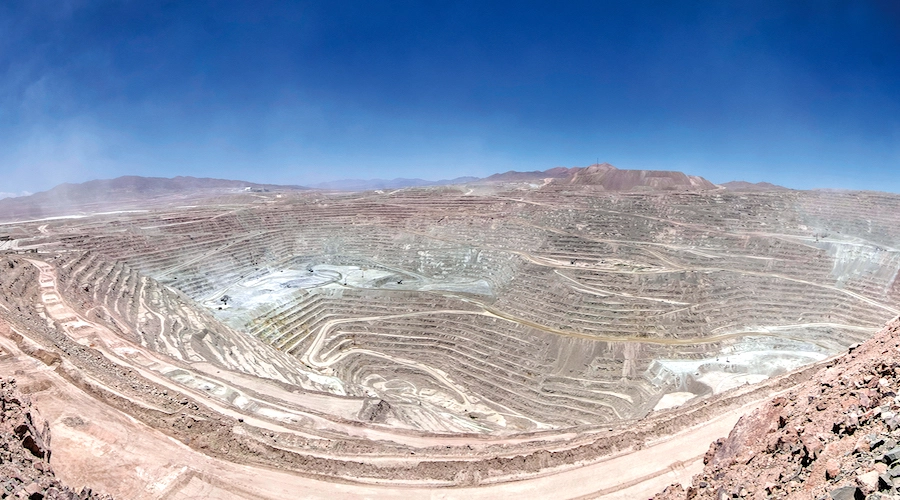
Chile’s share of global production dropped from 30% a decade ago to 24% today. Yet commerce grew 6.6%. Healthcare and services expanded. Online retail boomed.
Inflation, which peaked at a painful 14.1% in 2022, fell to 3.5%. The non-mining economy grew a healthy 2.8%. This matters far beyond Chile’s borders.
Every electric vehicle, every solar panel, every wind turbine requires copper. The green energy transition depends on metals that Chile possesses in abundance—including lithium for batteries. When Chilean mines struggle, global supply chains feel the pressure.
The political timing adds drama. President Gabriel Boric, a 39-year-old leftist who promised to bury neoliberalism, leaves office in March claiming he stabilized the economy.
His critics note GDP per capita barely grew during his term and sovereign wealth funds were halved. His successor could not be more different.
José Antonio Kast, who won December’s election with 58% support, promises $6 billion in spending cuts and deregulation inspired by Argentina’s Javier Milei.
Business groups applaud; economists warn that aggressive austerity could choke the consumer spending that kept Chile afloat.
Chile sits at a crossroads familiar across Latin America: a continent swinging rightward, economies dependent on commodities whose extraction grows ever harder, and populations demanding prosperity that modest growth cannot deliver.
The copper giant isn’t dying. It’s changing. Whether anyone—left or right—can manage that change will shape not just Chile’s future, but the pace of the world’s energy transition.
Download full report here.
Related coverage: Brazil’s Morning Call | How Latin America’s Safest Country Lost Its Innocence—And Wh This is part of The Rio Times’ daily coverage of Latin American news and financial markets.
This article was produced by The Rio Times’ automated newsroom system. How we use AI · Report an error · Editorial responsibility: Matthias Camenzind, Editor-in-Chief
Read More from The Rio Times