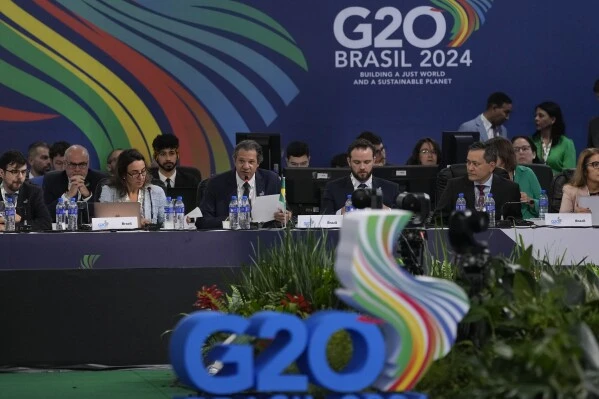
Finance ministers from G20 nations such as Brazil, Germany, South Africa, and Spain recently backed a new proposal for a global wealth tax targeting the world’s billionaires.
Their collective proposition, a minimum 2% tax on the assets of about 3,000 billionaires, could amass approximately $250 billion annually.
This substantial sum is earmarked to enhance social services and combat climate change, addressing two critical global challenges.
With Brazil at the helm of the G20 this year, it has been particularly assertive, spotlighting this tax initiative during global discussions.
Additionally, the main objective is to deter tax evasion and discourage the ultra-rich from sheltering their wealth in low-tax locales.
The Billionaire Tax: A Global Call for Equity.
One-stop reference
Company Intelligence
Every listed company in Latin America — financials, ownership and structure for 1,450+ companies across 26 exchanges, in one place.
Global leaders view this global wealth tax as crucial for boosting economic equality and promoting fiscal responsibility worldwide.
France supports expanding the tax reform to cover not only large corporations but also individual fortunes.
Building on the recently agreed 15% minimum tax on multinational firms, which is set to be implemented this year.
France’s advocacy aims to ensure a fair contribution from the super-rich to the economies from which they benefit.
This proposed tax reform signifies a major shift in global fiscal policies, reflecting a concerted effort to address economic disparities and enhance financial fairness globally.
In addition, the initiative highlights a significant moment in international economic policy.
It underscores the growing resolve among nations to collaborate on strategic solutions to pressing global financial inequities and sustainability issues.
This narrative reshapes global tax policy, highlighting the importance of international cooperation for lasting economic stability and equity.