Banco do Brasil Is Buying in Argentina, Not Selling
BRAZIL · BANKING
Key Facts
- —The deal Banco Patagonia, about 80% owned by Banco do Brasil, bought the retail operations of Argentina’s Banco Industrial.
- —The size Around 200,000 customers and 28 branches.
- —The price Estimated at about US$60 million, roughly R$306 million.
- —Citi’s reading Financially immaterial, strategically informative.
- —The signal That Patagonia is being treated as a growth platform rather than a source of capital.
- —Why that matters It cuts against speculation that Banco do Brasil would use Patagonia to relieve capital pressure.
Sixty million dollars is a rounding error for Banco do Brasil. What it tells you about the bank’s capital position is not.
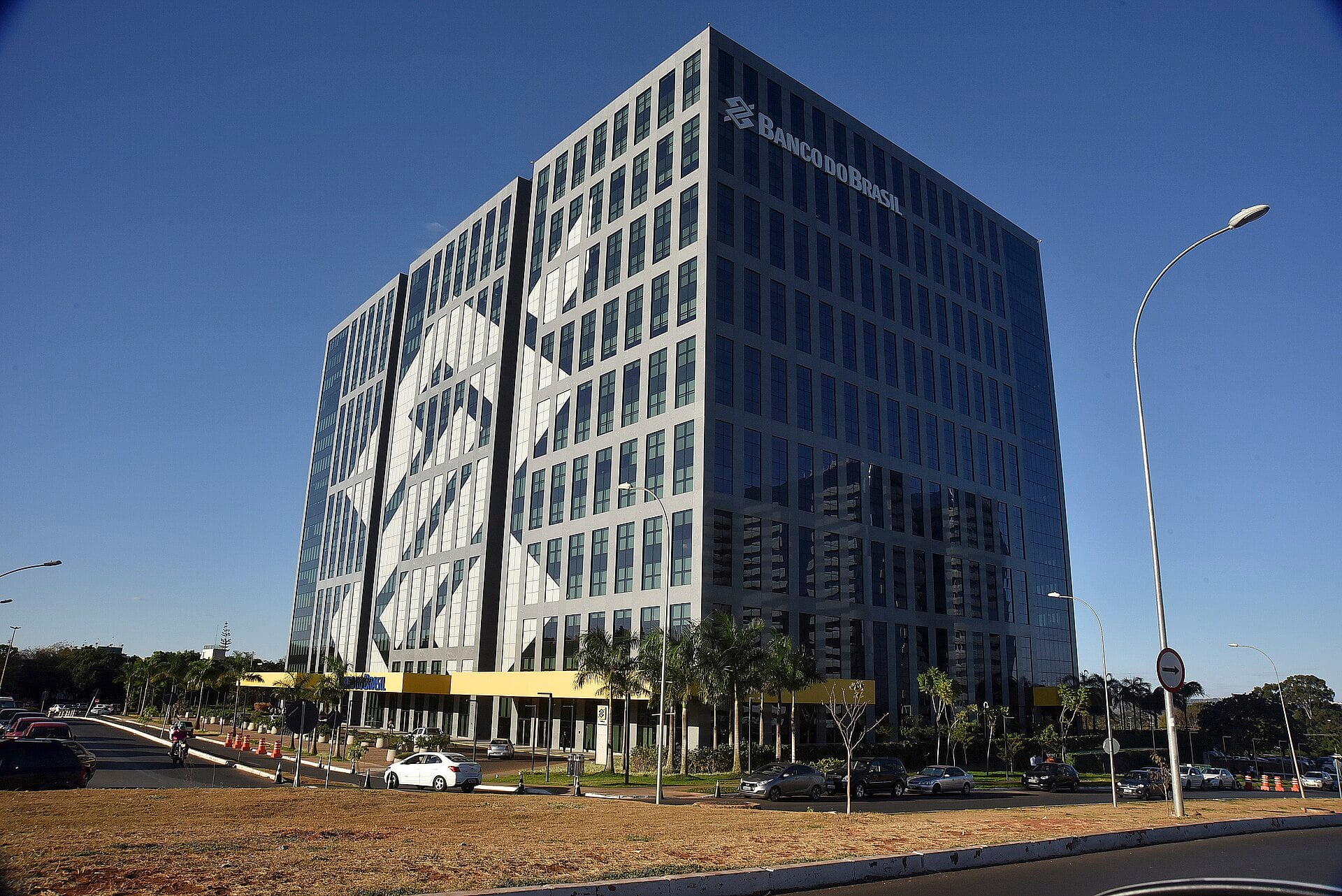
Banco Patagonia, the Argentine subsidiary in which Banco do Brasil holds roughly 80%, has acquired the retail operations of Banco Industrial, and Citi reads the purchase as a statement about where Brazil’s largest state-controlled bank sees Patagonia fitting.
The Transaction
Patagonia is buying around 200,000 customers and 28 branches from Banco Industrial, known in Argentina as Bind. The price is estimated at about US$60 million, roughly R$306 million.
For a bank the size of Banco do Brasil that figure is immaterial to earnings or capital. It is the kind of transaction that is interesting for what it implies rather than for what it costs.
What Citi Reads Into It
Citi’s assessment is that the acquisition suggests Patagonia is seen as a growth platform rather than as a potential source of capital.
That distinction has been an open question in the Brazilian market. A parent under capital pressure has several ways to use a foreign subsidiary: upstream dividends, sell a stake, or shrink its balance sheet. All three raise capital; none involves buying more branches.
Committing fresh capital to Argentine retail banking is the opposite move, and it is difficult to reconcile with a bank preparing to monetise the asset.
Live Company IntelligenceBanco do Brasil S.A. — the full investor dossier
Valuation & profitability
Price & risk
$17.6752-wk high
$27.36
Revenue trend · 6y
Ownership
Dividend
Why the Question Was Being Asked
Banco do Brasil has been under scrutiny over capital through 2026, and Citi has separately cut its price target on the shares.
In that context Patagonia was one of the assets the market had identified as available if capital were needed, which is why a small acquisition carries more information than its size suggests.

The Argentine Context
Argentine retail banking has been through several years of extreme conditions, with high inflation compressing the real value of deposits and lending volumes far below what the economy’s size would imply.
A buyer acquiring branches and customers at this point is taking a view that credit penetration recovers from a very low base. Argentine private credit as a share of output has been among the lowest in the region for a decade, which is the argument for the trade and also the reason it has not worked before.
Banco Industrial, for its part, is exiting retail rather than exiting Argentina, which tells its own story about where the margin in that market currently sits.
What Would Confirm or Refute It
The test is what Patagonia does next. Further acquisitions or branch investment would confirm Citi’s reading; a dividend upstream to Brasília or a stake sale would refute it.
The coverage names no individual Citi analysts and comes from a single outlet. The Rio Times reports it as Citi’s assessment as reported, not as a published research position.
There is a regulatory dimension as well. A Brazilian bank moving capital into an Argentine subsidiary does so under central bank rules on foreign exposure, and the scale of this transaction sits far below any threshold that would attract scrutiny.
That is part of why the signal reads as deliberate. A bank that wanted to keep its options open on Patagonia could simply have done nothing, and doing nothing would have cost it less than US$60 million.
More: Brazil news in English, every day from The Rio Times.
Frequently Asked Questions
What did Banco Patagonia buy?
The retail operations of Banco Industrial in Argentina, about 200,000 customers and 28 branches.
What did it cost?
An estimated US$60 million, roughly R$306 million.
Who owns Patagonia?
Banco do Brasil holds roughly 80%.
What does Citi conclude?
That Patagonia is viewed as a growth platform rather than a potential source of capital for the parent.
Why does that matter?
It cuts against market speculation that Banco do Brasil would monetise Patagonia to ease capital pressure.
Sources: Seu Dinheiro.
This article was produced by The Rio Times’ automated newsroom system. How we use AI · Report an error
Read More from The Rio Times