São Paulo Prime Office Rents Rose 18.5% in the First Half
BRAZIL · PROPERTY
Key Facts
- —The increase Prime office rents in São Paulo rose 18.5% in the first half of 2026.
- —The ranking The largest increase among ten markets across seven Latin American countries.
- —The source Newmark Research, reported by Exame.
- —What is measured Corporate offices in classes AAA, AA and A. Not retail, not logistics.
- —Vacancy 14.3% in São Paulo, the lowest since 2012.
- —The rent An average asking rent of US$24.76 per square metre a month.
Falling vacancy and rising rents in the same half-year is the textbook signature of a market with no new supply arriving.
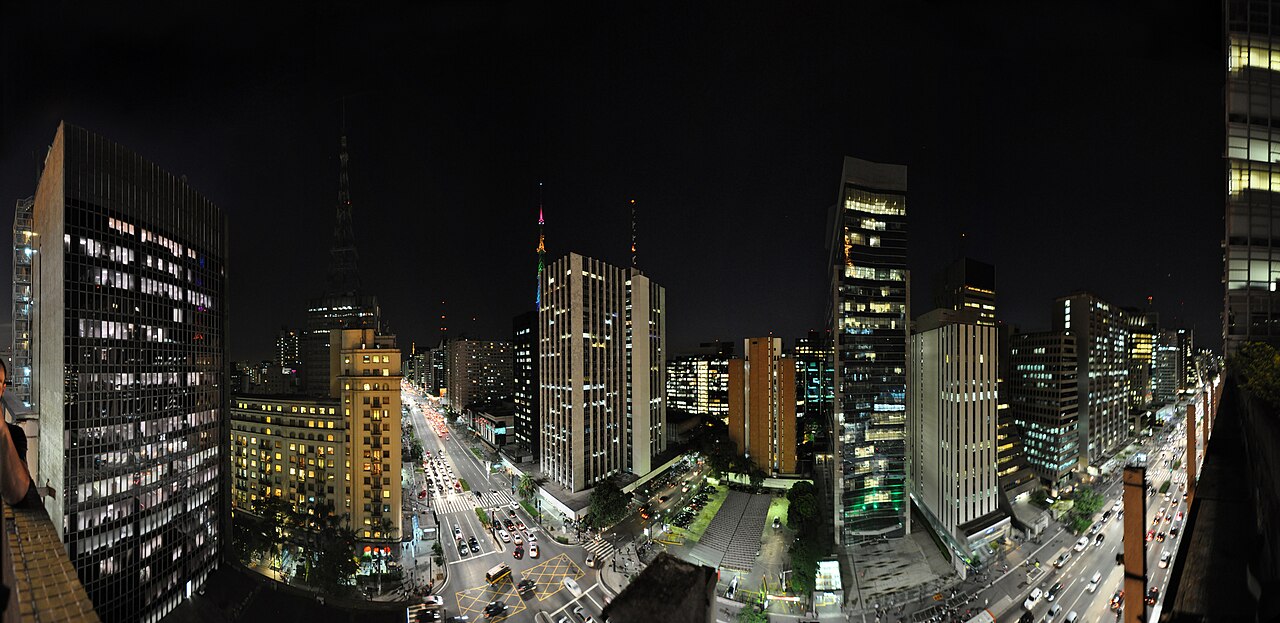
Prime office rents in São Paulo rose 18.5% in the first half of 2026, the steepest increase among the ten Latin American markets tracked by Newmark Research, as vacancy fell to its lowest level since 2012.
What the Figure Covers
The 18.5% increase applies to corporate offices in the AAA, AA and A classes. It does not describe retail rents, logistics space or commercial property generally, and reading it as a measure of business costs across the board would overstate it.
The comparison set is ten markets in seven countries: Argentina, Brazil, Chile, Colombia, Costa Rica, Mexico and Panama. São Paulo led all of them over the first half of 2026.
Why Rents Are Rising
Vacancy in São Paulo fell to 14.3%, the lowest since 2012, while the average asking rent reached US$24.76 per square metre a month.
Those two numbers are the whole explanation. Occupancy has been absorbing the overhang left by the construction cycle of the 2010s, and very little new prime space has been delivered since, so the market is tightening without any change in demand being required.
Mariana Hanania, head of research at Newmark Brasil, put it as the combination of falling vacancy with rising prices sustaining the strongest appreciation in the Latin American corporate market.
What It Costs a Tenant
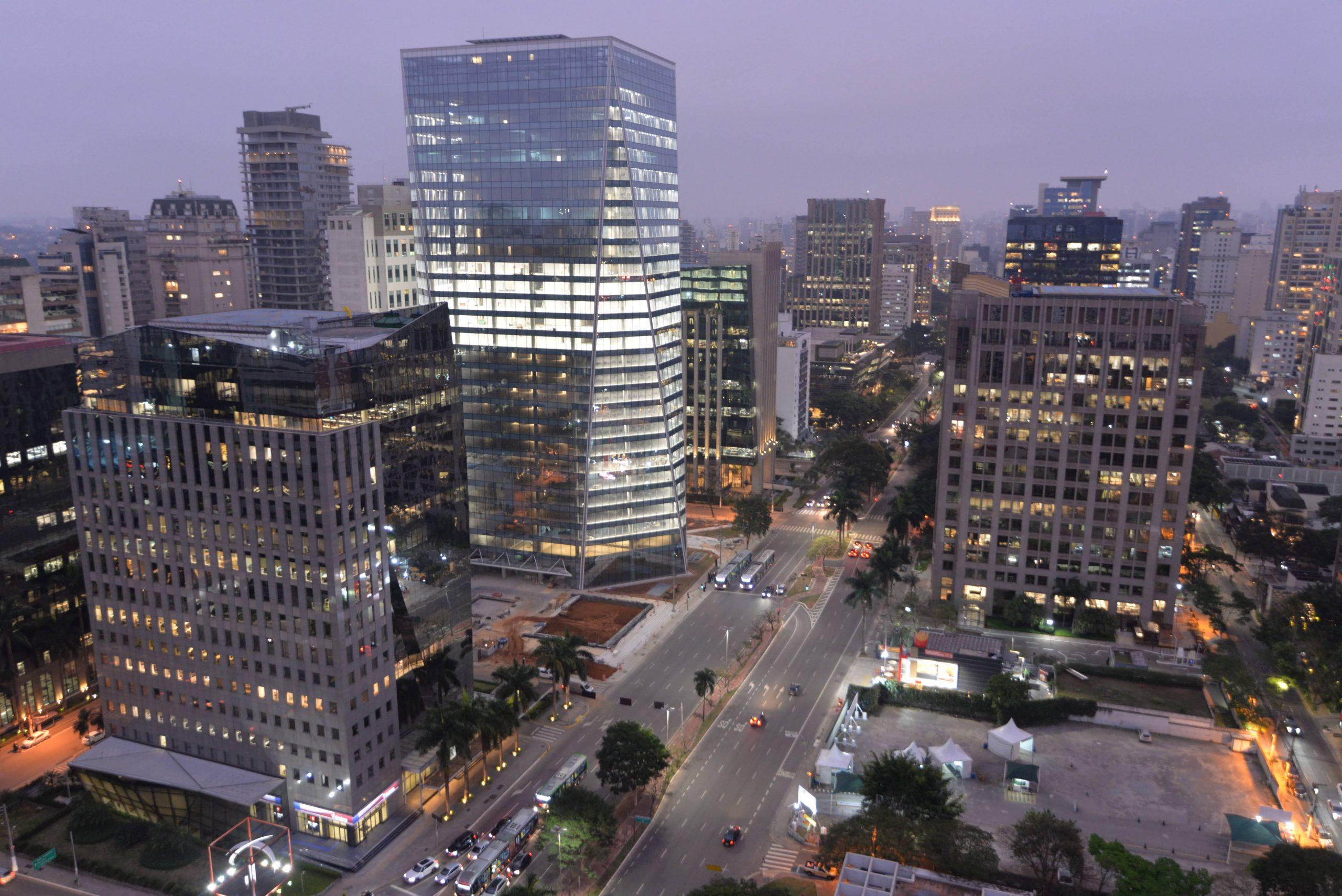
At US$24.76 per square metre a month, a thousand square metres of prime São Paulo office space costs roughly US$297,000 a year before service charges.
An 18.5% increase on a lease renewed this year therefore adds tens of thousands of dollars annually for a mid-sized floor, which is the level at which occupancy decisions start to be reconsidered rather than absorbed.
The Regional Comparison
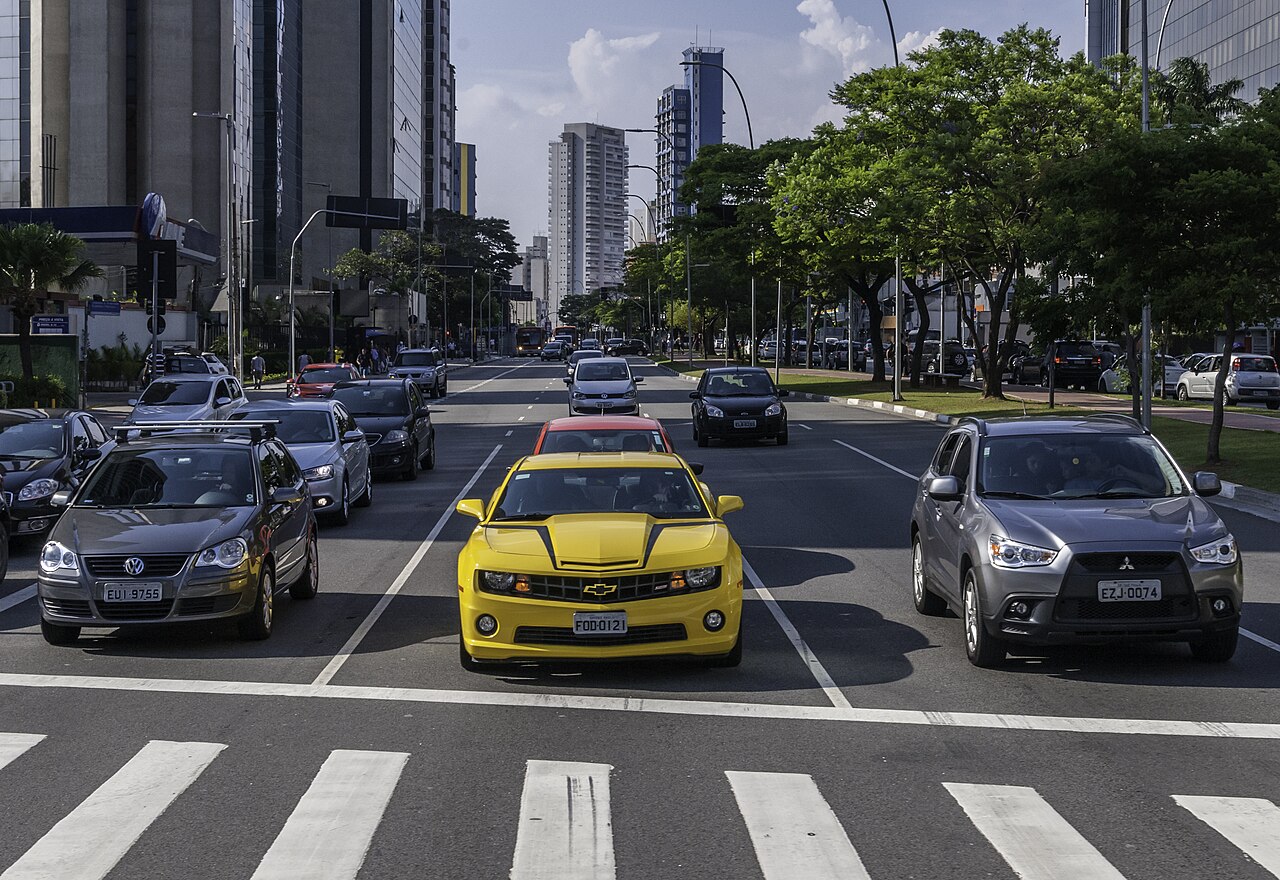
São Paulo leading the region reflects Brazilian market conditions rather than a continental trend. Mexico City, Bogotá and Santiago each have their own supply cycles, and several have delivered new prime stock more recently.
For an international occupier comparing Latin American locations, the relevant reading is that São Paulo has moved from being the region’s oversupplied market to one of its tightest within a single cycle.
The dollar denomination is worth noting too. Newmark quotes rents in United States dollars across the region, so part of what a Brazilian landlord experiences as a real increase and part of what a dollar-reporting tenant sees are not identical movements.
The real has been comparatively stable against the dollar through 2026, which means the dollar figure and the local-currency figure are moving broadly together this year rather than diverging as they did in 2021 and 2022.
What Would Change It
New supply is the only thing that reliably ends a run like this, and prime office development responds slowly. Projects started now reach the market in three to four years.
The alternative brake is demand. Brazilian interest rates remain high, and a corporate sector cutting occupancy costs would show up in take-up before it showed up in headline rents.
The figure is single-sourced to Exame’s account of the Newmark study; the underlying report was not published. The Rio Times attributes it accordingly.
One further caveat belongs with the number. Asking rents are what landlords advertise, not what tenants sign, and in a tightening market the gap between the two narrows while in a loosening one it widens.
That means an 18.5% rise in asking rents overstates what existing occupiers are currently paying and understates what a new entrant will be quoted. Both readings are useful and they are not the same number.
More: Brazil news in English, every day from The Rio Times.
Frequently Asked Questions
How much did rents rise?
18.5% in the first half of 2026 for prime São Paulo offices.
What does prime mean here?
Corporate offices in classes AAA, AA and A. Retail and logistics are not included.
What is the vacancy rate?
14.3%, the lowest since 2012.
What is the average asking rent?
US$24.76 per square metre a month.
Who produced the figure?
Newmark Research, reported by Exame. The underlying report was not published.
Sources: Newmark Research via Exame.
This article was produced by The Rio Times’ automated newsroom system. How we use AI · Report an error
Read More from The Rio Times