Ternium Denies Report It Plans to Take Usiminas Private
Correction — 25 August 2026
Ternium has publicly denied this report. In a statement on 25 August 2026, the company said it "has not approved any transaction aimed at cancelling Usiminas’ registration as a publicly traded company" and that no such negotiation is taking place. The article below, based on reporting by O Globo columnist Lauro Jardim, is kept for the record. Usiminas shares had jumped more than 7% on the original report.
Brazil · BUSINESS
Key Facts
- —What happened Ternium wants to take Usiminas private and delist it, O Globo’s Lauro Jardim reported on 24 August 2026.
- —Market reaction Usiminas shares jumped more than 7% on Monday morning and entered a trading auction on the São Paulo exchange.
- —The backdrop Ternium agreed to buy control of Usiminas in 2023 and acquired the remaining Nippon Steel and Mitsubishi stakes in 2025.
- —The catch No price, structure or timetable has been published, and Ternium has filed no formal offer.
- —Who decides Minority shareholders of Usiminas must still approve any delisting, all three reports stress.
- —What comes next A formal filing with Brazil’s securities regulator would be the first hard signal the plan is moving.
A decade-long control war ended in 2023 — now the winner wants the whole company.
Ternium plans to take Usiminas private, Brazilian media reported on Monday, 24 August 2026. Shares of Brazil’s largest flat-steel maker jumped more than 7% on the news.
What the reports say
The story broke on Monday, 24 August 2026, in O Globo. Columnist Lauro Jardim wrote that the Italian-Argentine steelmaker Ternium wants to take Usiminas private.
In Portuguese the plan is called fechar o capital, which means delisting the company from the stock exchange. Valor Econômico and InfoMoney both confirmed the report the same morning.
All three outlets stress the same condition. Ternium still needs the approval of Usiminas minority shareholders to complete the operation.
Neither Ternium nor Usiminas had issued a formal statement by Monday afternoon. The plan, for now, is a reported intention rather than a filed offer.
How the market reacted
Investors liked the idea immediately. Usiminas preferred shares rose more than 7% in early Monday trading on the São Paulo exchange, known as B3.
The move was sharp enough to trigger a trading auction. That is the exchange’s automatic pause when a stock swings beyond its permitted limit.
Usiminas ranked among the biggest gainers on the Ibovespa, Brazil’s benchmark stock index. InfoMoney said traders were reacting directly to the delisting report.
A delisting typically includes an offer to buy out minority holders. That prospect of a cash exit is what usually lifts the share price first.
A decade of boardroom war
Usiminas was founded in 1956 in the state of Minas Gerais as a Brazil-Japan joint venture. It grew into Latin America’s premier flat-steel producer for the car industry.
From 2012 to 2023 the company was the stage of one of the region’s longest shareholder wars. Ternium, part of the Techint group, fought Japan’s Nippon Steel for control.
The fight ended in 2023. Ternium signed an agreement to buy control of Usiminas, and Nippon Steel stepped back after six decades as technical partner.
A Ternium-appointed chief executive, Marcelo Chara, took over and launched an operational overhaul. The control question was settled, but minority shareholders remained.
How Ternium tightened its grip
The 2023 deal was only the first step. Last year Ternium acquired the remaining stakes that Nippon Steel and Mitsubishi held in Usiminas.
That purchase left Ternium leading the control block with fewer partners to consult. Taking the company private is the logical end of that road.
Ternium itself signaled the direction days before the report. On its 21 August earnings call, management described corporate simplification, including more Usiminas ownership, as a long-term objective.
The company made the same point in its 2025 sustainability report, also published on 21 August. It now consolidates Usiminas into its targets, including a 15% cut in carbon intensity per ton of steel by 2030.
Business ties were already deepening
The two companies are commercially intertwined already. On 19 August, Reuters reported fresh related-party contracts between Usiminas and Exiros.
Exiros is the procurement arm controlled by Ternium and its sister company Tenaris. One contract covers international trading and took effect on 10 August 2026.
A second contract covers domestic procurement support, logistics and import services in Brazil. It starts on 1 October 2026 and runs for four years.
Both agreements are priced at cost plus fees and carry no minimum volumes. They show how deeply Ternium already runs inside Usiminas operations.
What Usiminas makes and why it matters
Usiminas is Brazil’s leading producer of flat steel. That is the steel that goes into cars, home appliances and machinery.
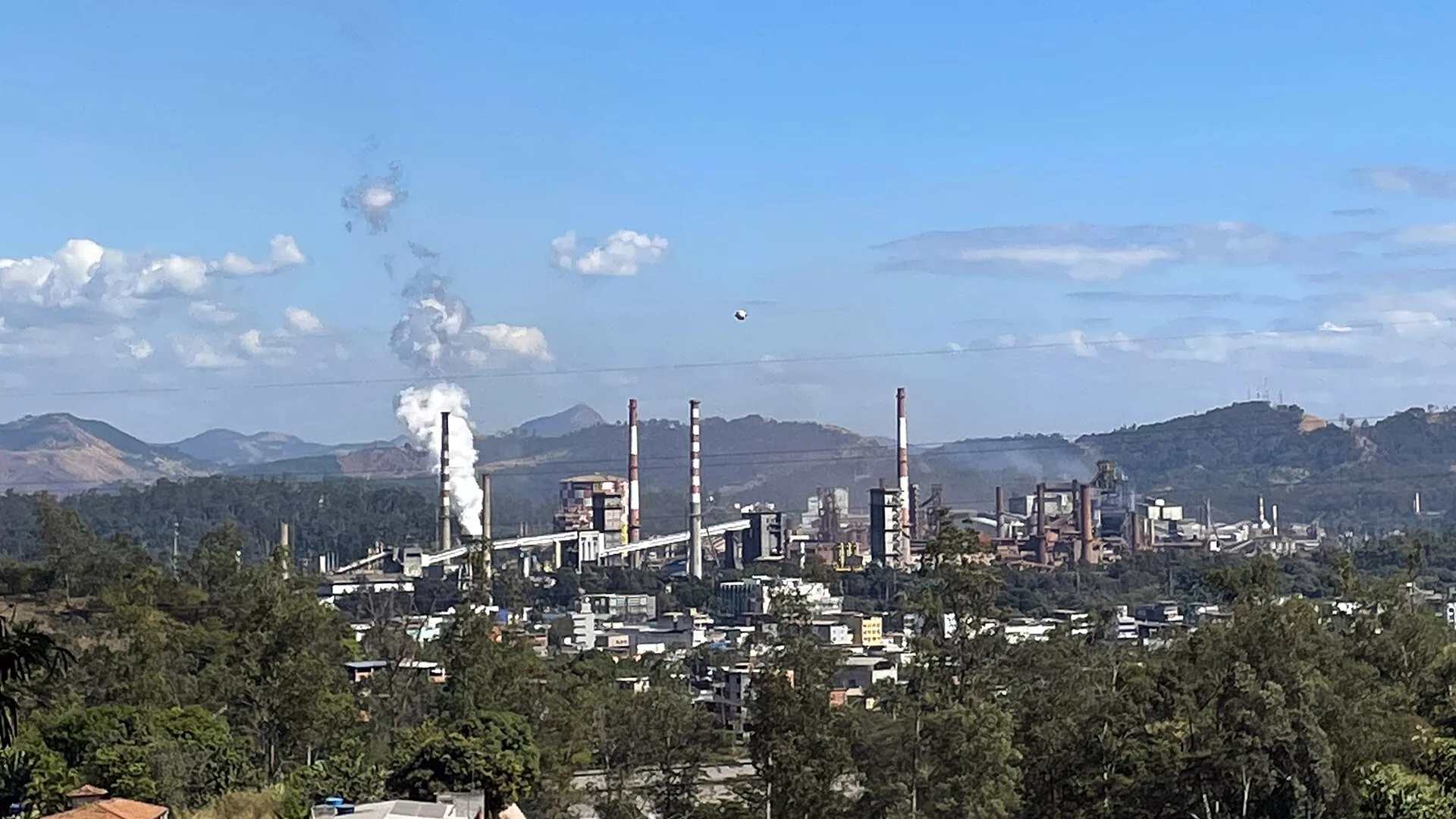
The company is headquartered in Belo Horizonte, the capital of Minas Gerais. Its main plant sits in Ipatinga, in the state’s steel valley.
Flat steel makes Usiminas strategic for Brazilian industry. Car makers and appliance factories depend on its output and its prices.
That weight in the supply chain is why the plan to take Usiminas private matters beyond the stock market. Brazil’s largest flat-steel maker would leave public scrutiny behind.
What has not been published
The reports name no price. There is no published offer per share, no valuation and no indication of how Ternium would pay.
The structure is equally open. Brazilian law offers several routes to delist, and none of the reports says which one Ternium would choose.
There is also no timetable. No shareholder meeting, no regulatory filing and no deadline has been announced.
For readers the distinction matters. A reported plan can still change shape, run into resistance from minority holders, or simply wait.
Why delistings are spreading in Brazil
If the operation advances, Usiminas would join a growing list of large companies leaving B3. InfoMoney describes a wave of consolidation behind the trend.
Multinationals are tightening control over their Brazilian subsidiaries. Fewer public shareholders means simpler governance and faster decisions.
The costs of staying listed are real. Disclosure duties, independent board seats and regulator oversight all weigh on controlling owners.
For minority investors the trade-off cuts both ways. A delisting offer can bring a cash exit, but it also ends their ride on Brazil’s steel cycle.
More: Brazil news in English, every day from The Rio Times.
Frequently Asked Questions
Is Ternium buying Usiminas outright?
Not yet. O Globo reported on 24 August 2026 that Ternium wants to take Usiminas private. No formal offer has been filed, and minority shareholders must approve any delisting.
Why did Usiminas shares jump more than 7%?
A delisting normally includes an offer to buy out minority shareholders. The prospect of that cash exit lifted the shares on Monday and triggered a trading auction on B3.
Who owns Usiminas today?
A control group led by Ternium runs the company. Ternium agreed to buy control in 2023 and acquired the remaining Nippon Steel and Mitsubishi stakes in 2025.
What does it mean to take Usiminas private?
The company would leave the São Paulo stock exchange and its shares would stop trading publicly. Minority holders would be bought out under a formal offer.
What happens next?
Watch for a formal statement from Ternium or Usiminas and any filing with Brazil’s securities regulator. Until then the plan is a reported intention without price, structure or timetable.
Connected Coverage
Latin American Steel Wrap: Brazil and Mexico Moves
Brazil’s Braskem Files for Extrajudicial Recovery on US$10.9 Billion Debt
Sources
This article was drafted with automated assistance and reviewed before publication. How we use AI · Report an error · Editorial responsibility: Matthias Camenzind, Editor-in-Chief