Tanzania’s Election Storm: A Landslide Win Shadows East Africa’s Stability
In the heart of East Africa, where vast savannas meet the Indian Ocean, Tanzania—a nation of 68 million known for its wildlife safaris and Mount Kilimanjaro—has long been a beacon of relative calm.
But beneath this serene facade, a turbulent political drama unfolded during the October 29, 2025, elections, revealing deep fissures in its democratic fabric.
President Samia Suluhu Hassan, 65, who stepped into power in 2021 after her predecessor’s untimely death, secured a staggering 97.66% of the vote, with nearly 87% turnout among 37.6 million registered voters.
Her Chama Cha Mapinduzi (CCM) party, ruling uninterrupted since independence in 1961, promised continued progress in infrastructure and economic steadiness.
Hassan’s early reforms, like lifting rally bans, hinted at a gentler approach than her bulldozer-like forerunner, fostering hope for balanced governance amid global uncertainties.
Yet, the victory came amid chaos. Major opposition parties, including Chadema and ACT-Wazalendo, were sidelined in April for defying a conduct code, leaving only fringe challengers.
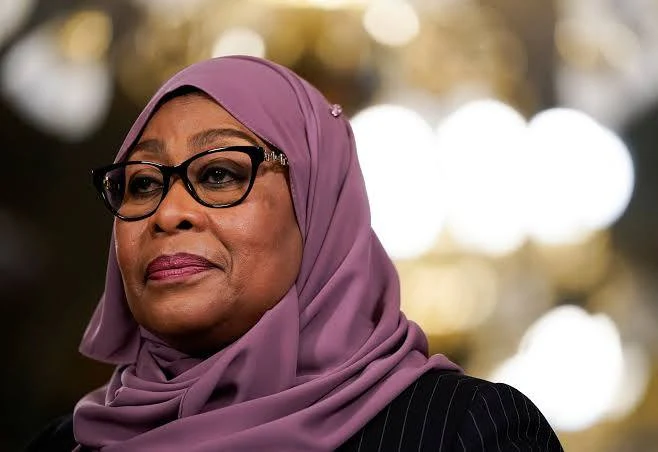
Tanzania’s Election Storm: A Landslide Win Shadows East Africa’s Stability
As polls opened, nationwide protests erupted, with crowds in Dar es Salaam, Shinyanga, and Morogoro decrying exclusions and alleged rigging. Security forces responded firmly to maintain order, but clashes turned deadly.
The United Nations confirmed at least 10 fatalities from gunfire and tear gas, while opposition voices amplified unverified claims of hundreds killed or abducted, stirring further unrest into its fourth day by November 2.
The story behind? Tanzania’s one-party legacy under CCM has delivered decades of unity and growth, but critics argue it masks suppression of dissent.
Pre-election arrests, media curbs, and internet blackouts echoed tactics that prioritize stability over sweeping changes.
As the African Union congratulated Hassan while urging restraint, the episode underscores how entrenched leadership can clash with calls for reform, potentially unsettling regional investors and tourists.
For outsiders, it’s a reminder: in Africa’s evolving democracies, progress often walks a tightrope between tradition and transformation, where one side’s order is another’s oppression.
More: Tanzania news in English, every day from The Rio Times.
This article was produced by The Rio Times’ automated newsroom system. How we use AI · Report an error · Editorial responsibility: Matthias Camenzind, Editor-in-Chief
Part of our ongoing coverage
Africa: The New Scramble — the great-power contest over the continent.