Steel Tensions Rise: Latin America Responds to Chinese Imports with Tariffs
Latin American countries are setting tariffs on Chinese steel, reflecting similar actions by the US and Europe.
This shift indicates a cooling in their previously warm trade relations with China.
The measure comes as a response to the surge in Chinese steel, which has risen from 80,500 tons in 2000 to nearly 10 million tons annually, worth about $8.5 billion.
Mexico, Chile, and Brazil have significantly raised tariffs recently, some even doubling them. Colombia is considering similar steps.
These tariffs aim to protect local industries from the competitive threat of inexpensive Chinese imports, which jeopardize over 1.4 million jobs in the region.
This situation is testing the strong economic connections between Latin America and China.
Despite China being the primary buyer of the region’s raw materials and a key investor, Latin America is taking a stand.
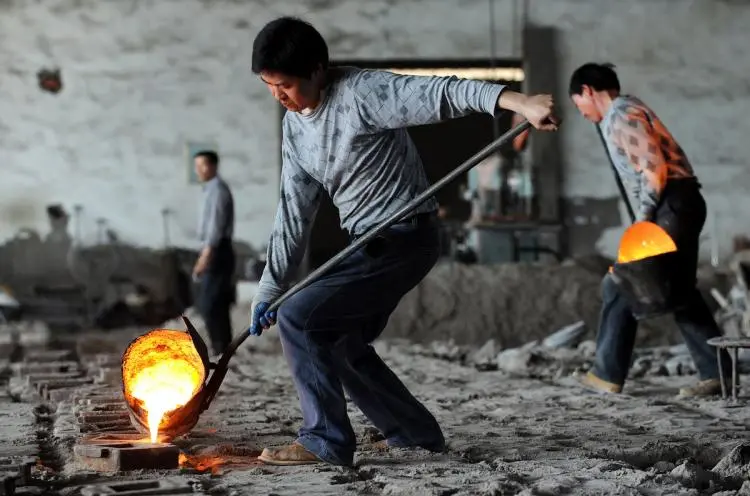
The region offers China a market for its products amid stiff US and European tariffs.
Despite potential economic dangers for smaller, export-driven economies that rely on Chinese demand, these countries are not backing down.
Brazil is introducing a tariff quota system to address predatory pricing.
Though not explicitly stated, this system targets the 62% increase in Chinese steel shipments to Brazil last year.
Implementing these tariffs is a complex balance for Latin America as it tries to align its economic interests with the need to protect local industries.
This approach may reshape trade relations with China, echoing a global trend of questioning the effects of globalization and free trade.
As these tariffs take effect, they not only safeguard jobs and industries but also signal that Latin America is reassessing its trade strategies.
More: Latin America news in English, every day from The Rio Times.
This article was produced by The Rio Times’ automated newsroom system. How we use AI · Report an error · Editorial responsibility: Matthias Camenzind, Editor-in-Chief