Strategic Steel Quotas: Brazil’s New Economic Defense
The Brazilian government has introduced a 25% surcharge on steel imports that surpass established quotas.
This measure aims to protect its domestic steel industry from intense foreign competition, notably from China.
This policy stands as relatively moderate compared to more extensive trade protection tactics utilized by Europe and the United States.
In Europe, the European Union implements rigorous anti-dumping and countervailing duties to shield its steel sector from underpriced Asian imports.
Additionally, the EU employs quota systems akin to Brazil’s, designed to curb potentially harmful surges in imports.
Meanwhile, the United States has taken a more assertive approach.
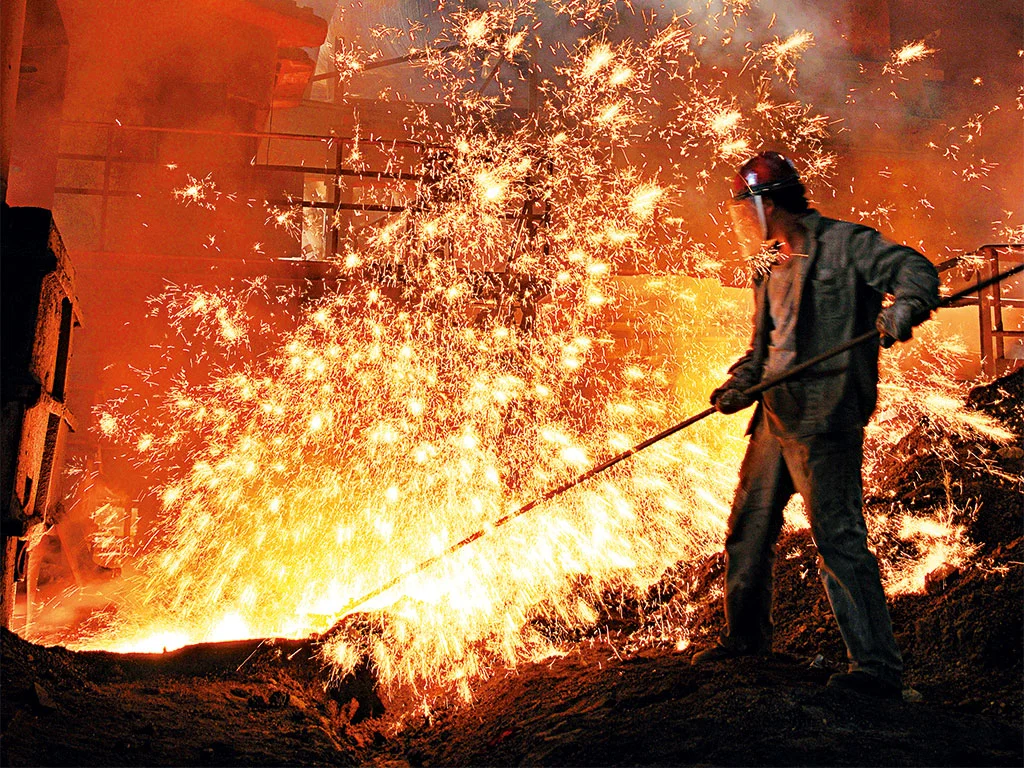
In 2018, the U.S. imposed a 25% tariff on all steel imports citing national security, a broad measure aimed at strengthening domestic industries by curbing competitive imports.
Brazil’s method, however, contrasts with the broader, often indefinite tariffs of the U.S. and EU. Brazil sets its quotas based on past import data, adding a margin.
Surcharges kick in only after these thresholds are crossed. This policy is structured to be balanced and temporary, set for a 12-month duration.
It reflects a prudent strategy that protects national industries without causing long-term trade disturbances or price instability for downstream sectors.
Brazil’s approach showcases a moderated stance on trade protection, carefully balancing economic security against the risks of escalating trade tensions.
By implementing targeted, time-bound measures, Brazil seeks to maintain industry health while fostering a stable environment for its downstream industries.
Background
The Brazilian steel industry has witnessed notable shifts in early 2024, with crude steel production increasing by 6.2% in the first quarter, reaching 8.3 million tons.
This growth occurs against a backdrop of surging imports, particularly from China, which rose by 25.4% year-on-year to 1.3 million tons.
These imports have grown by an alarming 49.9% over the first eleven months of the year.
The impact of these imports is profound, affecting local production and employment.
More: Brazil news in English, every day from The Rio Times.
This article was produced by The Rio Times’ automated newsroom system. How we use AI · Report an error · Editorial responsibility: Matthias Camenzind, Editor-in-Chief