Steel and Aluminum Tariffs Jump: U.S. Move Hits Brazil, Canada, and Mexico
On June 3, 2025, the White House announced that President Donald Trump doubled U.S. tariffs on imported steel and aluminum from 25% to 50%.
This move, confirmed by an executive order and official statements, aims to shield domestic producers and curb what the administration calls unfair trade practices that threaten national security.
The change took effect just after midnight and excludes only the United Kingdom, which secured a separate deal.
The U.S. imports about a quarter of its steel and half its aluminum, relying heavily on Canada, Brazil, and Mexico.
Canada exported $7.8 billion in iron and steel to the U.S. in 2024, while Brazil sent $4.1 billion in steel and $267 million in aluminum.
These countries now face higher costs and increased uncertainty. The European Union and other allies have signaled possible retaliation, warning that the move could disrupt global markets.
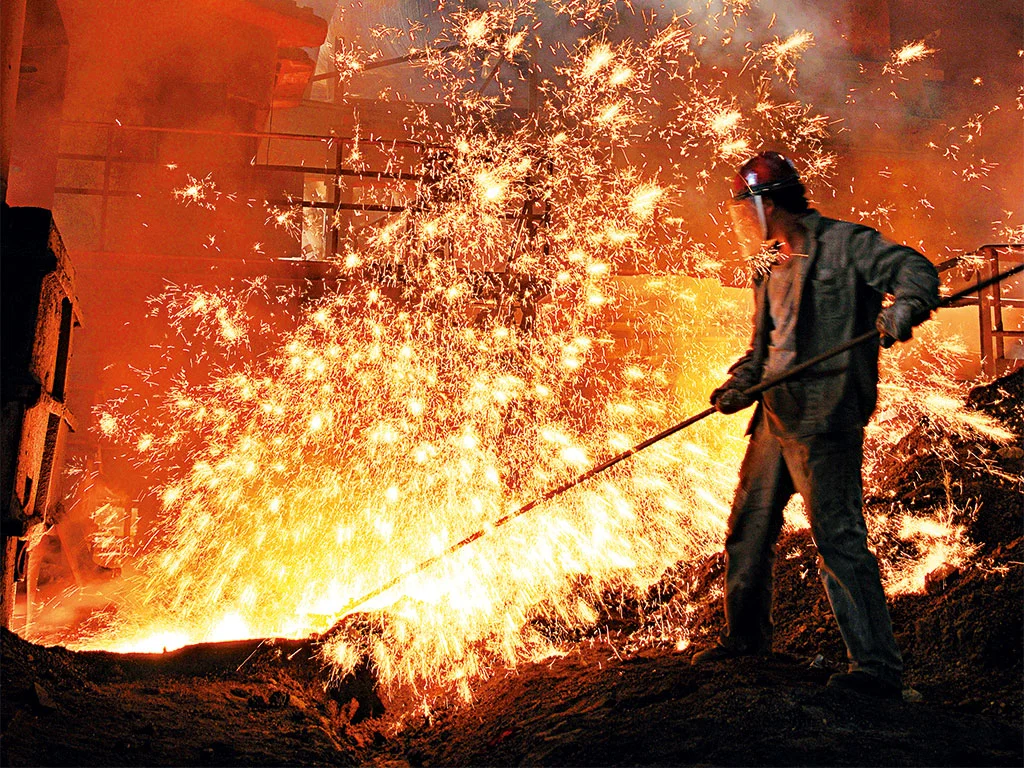
Steel and Aluminum Tariffs Jump: U.S. Move Hits Brazil, Canada, and Mexico
U.S. industries that depend on imported metals, including automakers, construction firms, and oil drillers, have already voiced concerns about rising costs.
Aluminum prices have more than doubled this year, and steel prices have risen 16% since January, according to official government indexes.
The administration says these tariffs will help domestic mills and smelters, especially in politically important states like Pennsylvania.
The Trump administration has asked trade partners to submit proposals for exemptions, but only the U.K. has reached a preliminary agreement so far.
With the U.S. remaining the world’s largest steel importer outside the EU, the stakes are high for both American industry and its trading partners.
These tariffs mark a sharp escalation in trade tensions and signal a new phase in U.S. trade policy, with real consequences for global supply chains and business costs.
This article was produced by The Rio Times’ automated newsroom system. How we use AI · Report an error · Editorial responsibility: Matthias Camenzind, Editor-in-Chief