Migration Loopholes Trigger Collapse of Dutch Coalition and Political Upheaval
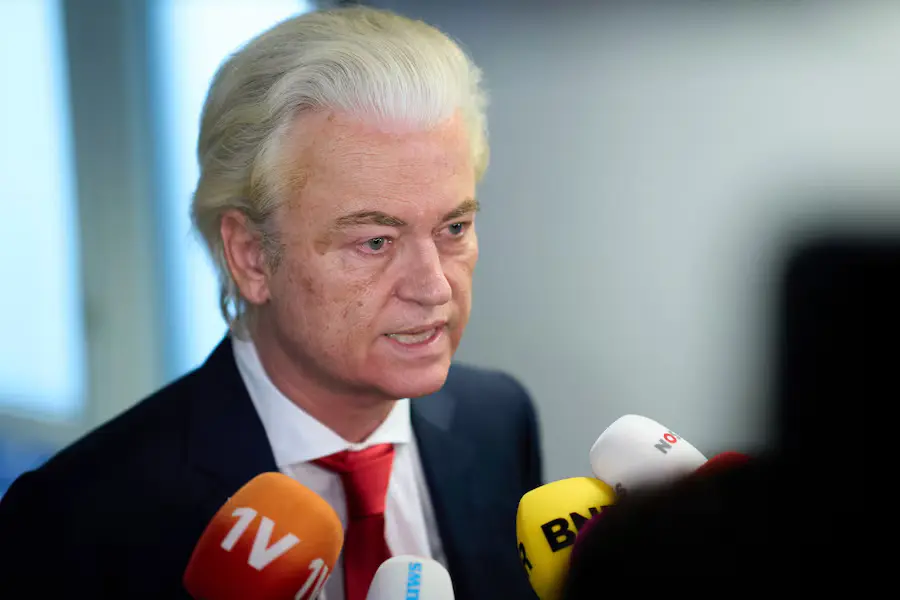
The Dutch government collapsed on June 3, 2025, after deep divisions over migration policy forced Geert Wilders’ patriotic Party for Freedom (PVV) to exit the ruling coalition.
Official statements from the Dutch prime minister and coalition leaders confirm the government fell due to disagreements over illegal migration policy.
Disputes about closing administrative loopholes contributed to the collapse. This crisis has set the stage for snap elections later this year..
At the heart of the crisis lies a registration system that authorities admit has allowed up to 124,000 illegal migrants from outside the European Union to access the Dutch labor market.
Migrants have exploited the Non-Residents Registration (RNI) system to obtain citizen service numbers (BSN). These enable them to work, open bank accounts, and even register businesses, despite lacking legal residency.
Investigations by the Dutch interior ministry have revealed that criminal networks help facilitate these registrations, sometimes using forged European documents.
The demand for low-skilled labor in sectors like agriculture and construction has fueled this trend.
Migration Loopholes Trigger Collapse of Dutch Coalition and Political Upheaval
Official figures show that hundreds of thousands of foreign workers fill essential jobs, but the lack of oversight has made it easier for illegal employment and exploitation to flourish.
Local authorities report they cannot intervene if migrants present seemingly legitimate documents, and the interior ministry’s focus on service access has left the loophole largely unchecked.
Recent Eurostat data shows asylum applications in the Netherlands reached 1,510 in April 2025, up from 1,325 in March.
While these numbers remain below the peak levels of a decade ago, the ongoing administrative weaknesses continue to attract irregular migration.
The resulting pressure on public services and housing has increased public frustration and political polarization.
The government’s collapse has created uncertainty in the Netherlands, a key Eurozone economy.
The resignation of the prime minister and the prospect of snap elections disrupt policy planning and may delay important decisions, including those related to defense and international commitments.
The next government faces immediate pressure to reform the registration system and restore public trust in the rule of law.
This political upheaval highlights how administrative gaps in migration policy can destabilize governments, disrupt labor markets, and erode confidence in public institutions.
The Dutch experience serves as a warning to other countries that fail to align economic needs with effective oversight and legal clarity.
This article was produced by The Rio Times’ automated newsroom system. How we use AI · Report an error
Read More from The Rio Times