South Africa’s Mozambique Anti-Dumping Duties Hit Steel Pipes and Tiles
SOUTH AFRICA · TRADE
Key Facts
- —What happened South Africa’s trade regulator found preliminary dumping of Mozambican steel pipes and ceramic tiles.
- —Steel pipes A provisional charge of 28.86% applies to large welded pipes from Mozambique until 18 December 2026.
- —Ceramic tiles Mozambican tiles face a provisional charge of 132.65% until 9 January 2027.
- —Who asked Pipe maker Hall Longmore and tile makers Ceramic Industries and Sinotile lodged the complaints.
- —The catch These charges are temporary, and final decisions on both cases are still pending.
- —What comes next The regulator must issue final findings before the provisional periods run out.
Two South African trade probes now put temporary charges on large steel pipes and ceramic tiles made in Mozambique.
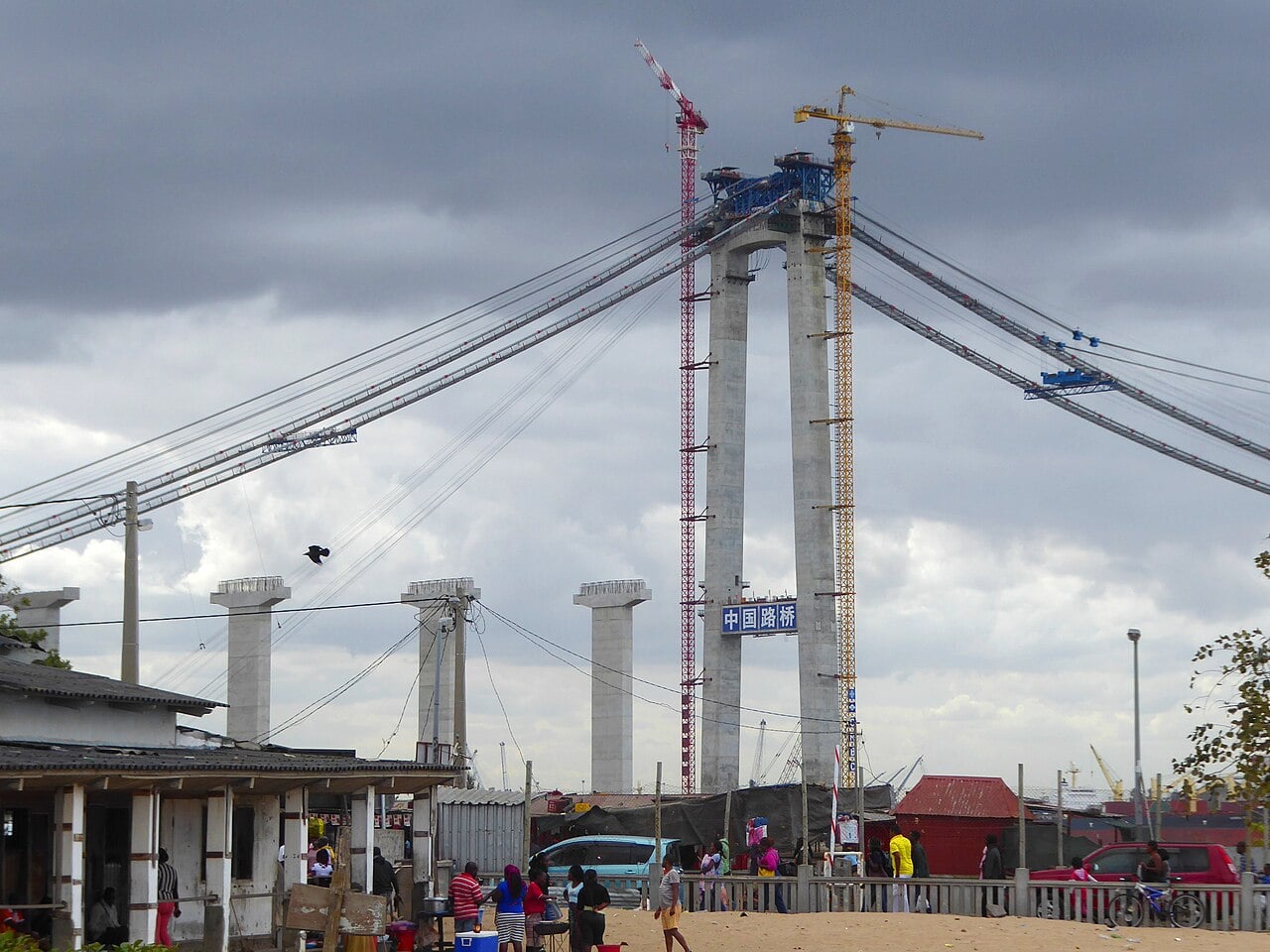
South Africa’s Mozambique anti-dumping duties now cover two industrial goods: large welded steel pipes and ceramic tiles. Both charges are provisional while South Africa’s trade regulator finishes its investigations.
How the steel pipe probe began
The International Trade Administration Commission (ITAC) opened the pipe case through Notice 3568 in the Government Gazette on 24 October 2025. It covers welded steel pipes wider than 406.4 millimetres, under tariff subheading 7305.19.
The complaint came from Hall Longmore, a South African pipe maker. The company said cheap imports from Mozambique were hurting producers in the Southern African Customs Union (SACU).
SACU groups South Africa, Botswana, Lesotho, Namibia and Eswatini. ITAC handles trade remedy cases for the whole bloc.
The initiation notice put the alleged dumping margin for Mozambique at 261.24%. That figure was based on the complaint’s price data, not on checked company records.
The applicant pointed to price undercutting, lower sales, weaker profits and lost market share. ITAC examined dumping from 1 April 2024 to 31 March 2025, and injury from 1 April 2022.
What ITAC found on Mozambique anti-dumping duties for pipes
After checking the books of exporter ETG Steel Solutions Limitada, ITAC calculated a much smaller margin of 28.86%. The same rate applies to all other Mozambican pipe exporters.
ITAC’s Report 779 says pipe imports from Mozambique rose from about 1.48 million kilograms in 2023 to 12.24 million kilograms in 2025. By 2025, Mozambique supplied 98% of these pipe imports into SACU.
The regulator made a preliminary finding of dumping and of material injury to local industry. It asked the South African Revenue Service (SARS) to collect provisional payments for six months.
According to Freight News, SARS published the measure in June 2026 and it runs until 18 December 2026. The Mozambican exporters had objected to the case and questioned whether it should have started at all.
The ceramic tile case
A second probe covers ceramic and porcelain wall and floor tiles from India, Mozambique, Zambia and Zimbabwe. ITAC opened it on 21 November 2025 through Notice 3639 in the Government Gazette.
The complaint came from Ceramic Industries and Rayal Industrial, which trades as Sinotile. Together they make more than 80% of the tiles produced in SACU.
ITAC said 54 foreign firms responded to its questionnaires, including one from Mozambique. Imports from the four countries rose 114% between 2023 and 2025, to about 31.6 million square metres.
In its preliminary Report 782, ITAC set a provisional charge of 132.65% on tiles from Mozambique. The rates are 95.87% for India, 132.82% for Zambia and 231.62% for Zimbabwe.
The charges apply from 10 July 2026 until 9 January 2027. ITAC also noted that many Mozambican tiles had earlier been cleared under a different tariff code.
What provisional charges mean
A provisional payment is a temporary security that importers pay while an investigation continues. If final findings confirm dumping, it can be turned into a definitive duty.
If ITAC does not confirm dumping, the payments can be refunded. That is why importers are watching the final reports closely.
Provisional payments are charged on top of normal customs duties. They are calculated as a share of the import value.
Why this matters for expats and investors in Africa
For investors in Mozambique’s factories, South Africa is the nearest large market. Mozambique anti-dumping duties of this size can make exports to SACU much harder to sell.
For builders and project owners in South Africa, the charges can raise the cost of imported pipes and tiles. Large pipes are used in water, gas and mining projects.
Importers who signed supply contracts before June may face costs they did not plan for. Checking contract terms on duties is a sensible first step.
Expats renovating homes or running construction firms may notice higher tile prices if importers pass on the charges. Local makers, in turn, may gain market share.
The cases also show that trade friction can arise between close neighbours, not only with Asian suppliers. Firms that source across Southern African borders should check ITAC notices regularly.
What is not yet known
ITAC has not yet published final determinations in either Mozambican case. The final margins could differ from the provisional ones.
It is also unclear how much Mozambican shipments have fallen since the charges started. No trade data covering that period has been published yet.
It is also not known whether Mozambique’s government will respond formally. No official reaction from Maputo has been confirmed.
What to watch next
The pipe measure expires on 18 December 2026, so a final pipe decision is due before then. The tile decision is due before 9 January 2027.
Final rulings, if any, will appear in the Government Gazette and in SARS tariff amendments. Until then, the Mozambique anti-dumping duties stay provisional.
The bottom line
South Africa has moved from probing Mozambican imports to charging them, at least for now. Both cases remain open and could still change.
The coming weeks should bring clearer answers for traders on both sides of the border.
Frequently Asked Questions
Frequently Asked Questions
Which Mozambican goods face South African anti-dumping charges?
Large welded steel pipes under tariff subheading 7305.19, and ceramic and porcelain wall and floor tiles. Both charges are provisional.
Why is the pipe duty lower than the 261.24% in the gazette notice?
The 261.24% figure came from the complaint at the start. After checking exporter data, ITAC calculated 28.86%.
Are the Mozambique anti-dumping duties final?
No. They are temporary payments while ITAC completes its investigations, and final decisions are still pending.
Connected Coverage
The SADC UniVisa Has Been Approved. You Still Cannot Buy One
Southern Angola Joins the National Power Grid, Ending Years of Running on Diesel
Sources: International Trade Administration Commission of South Africa, Government Gazette Notice 3568 of 24 October 2025 and Reports 779 and 782; South African Revenue Service; Freight News; IOL Business Report.
This article was produced by The Rio Times’ automated newsroom system. How we use AI · Report an error
LatAm Markets: Live Signals → — real-time movers, turnover leaders and FX across Latin America.
Read More from The Rio Times