The SADC UniVisa Has Been Approved. You Still Cannot Buy One
Southern Africa · Travel
Key Facts
- —What was agreed Southern African leaders approved an agreement creating a single regional tourist visa.
- —The date it was agreed At the bloc’s summit in Durban on 17 August 2026, and it has not moved publicly since.
- —Who pilots it Angola, Mozambique, Namibia, South Africa and Zimbabwe.
- —What already exists A two-country visa covering Zambia and Zimbabwe, valid 30 days for fifty US dollars.
- —What is missing Fee, validity, application process, entry rules, eligible nationalities and a start date.
- —Why it matters to visitors One visa instead of several would cut both the cost and the paperwork of a regional trip.
Sixteen southern African countries agreed in Durban to create a single tourist visa, and five of them will pilot it. Nobody has said what it costs, how long it lasts, who can get one or when it starts.
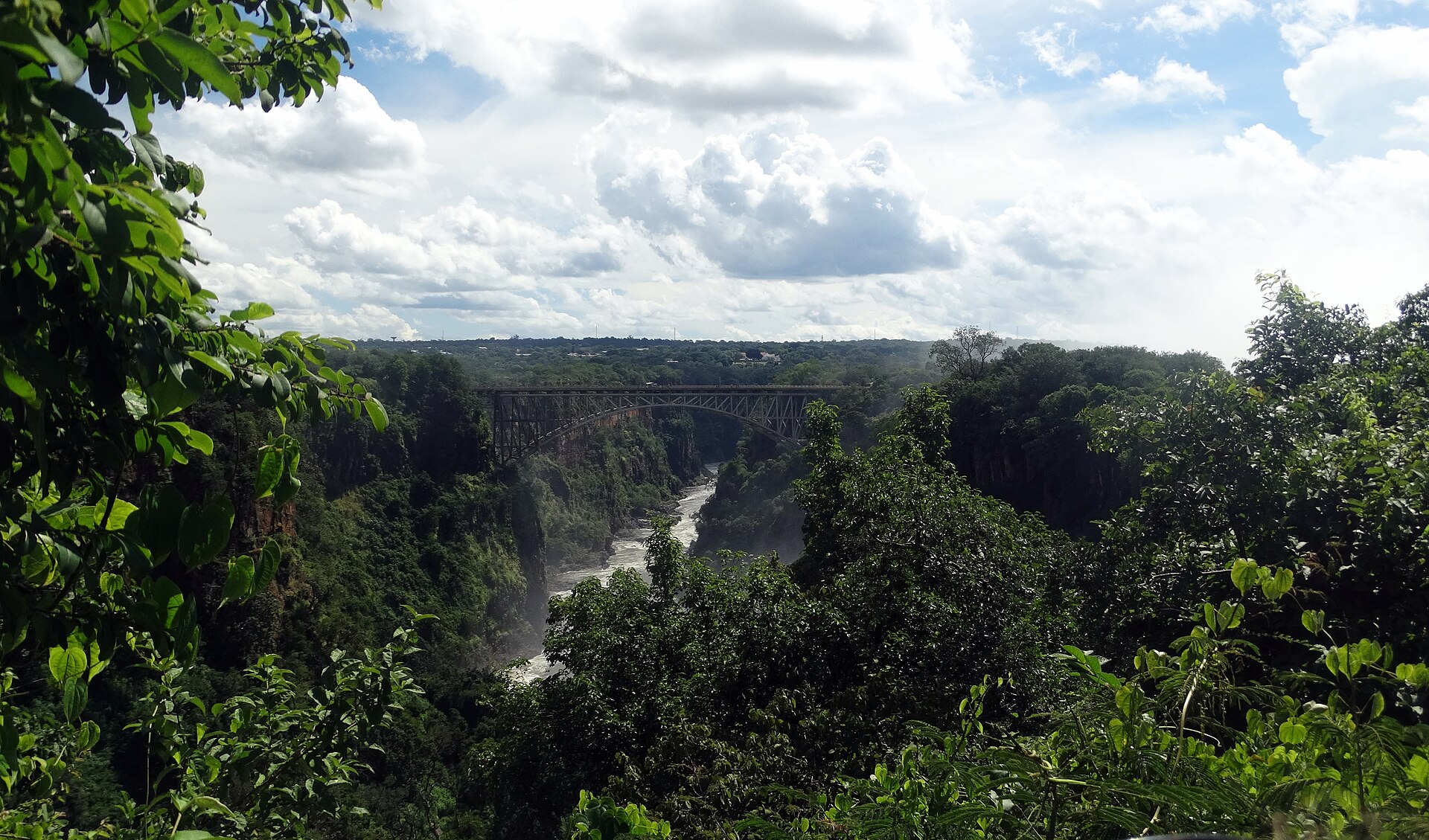
The SADC UniVisa was approved by southern African heads of state at their summit in Durban on 17 August. A traveller still cannot apply for one, and no official has said when that changes.
What Was Actually Decided
The summit communique says leaders approved the agreement establishing the visa and called for member states to sign it. It cites seamless travel, tourism growth and regional integration as the reasons.
Approving an agreement and bringing it into force are different steps. The communique calls for signature, which means signature had not happened.
Five countries are named as the pilot in trade reporting: Angola, Mozambique, Namibia, South Africa and Zimbabwe. That list does not appear in the communique itself.
How many of the sixteen member states must ratify before the agreement takes effect has not been published. Regional protocols often require two thirds, but that cannot be assumed here.
The Six Things Nobody Has Published
There is no fee. There is no validity period, and no statement of how many entries a visa allows.
There is no application process and no list of eligible nationalities. There is no launch date.
Those six gaps are the whole practical content of a visa. Until they are filled, the SADC UniVisa is an agreement rather than a document.
An audit of border posts was due to begin in July. Implementation support is coming from the German government, the European Union and the German development agency.
Officials have been quoted since the summit without giving dates. A secretariat programme officer said in May that the visa was advancing through the regional inter-ministerial process.
The Visa That Does Exist
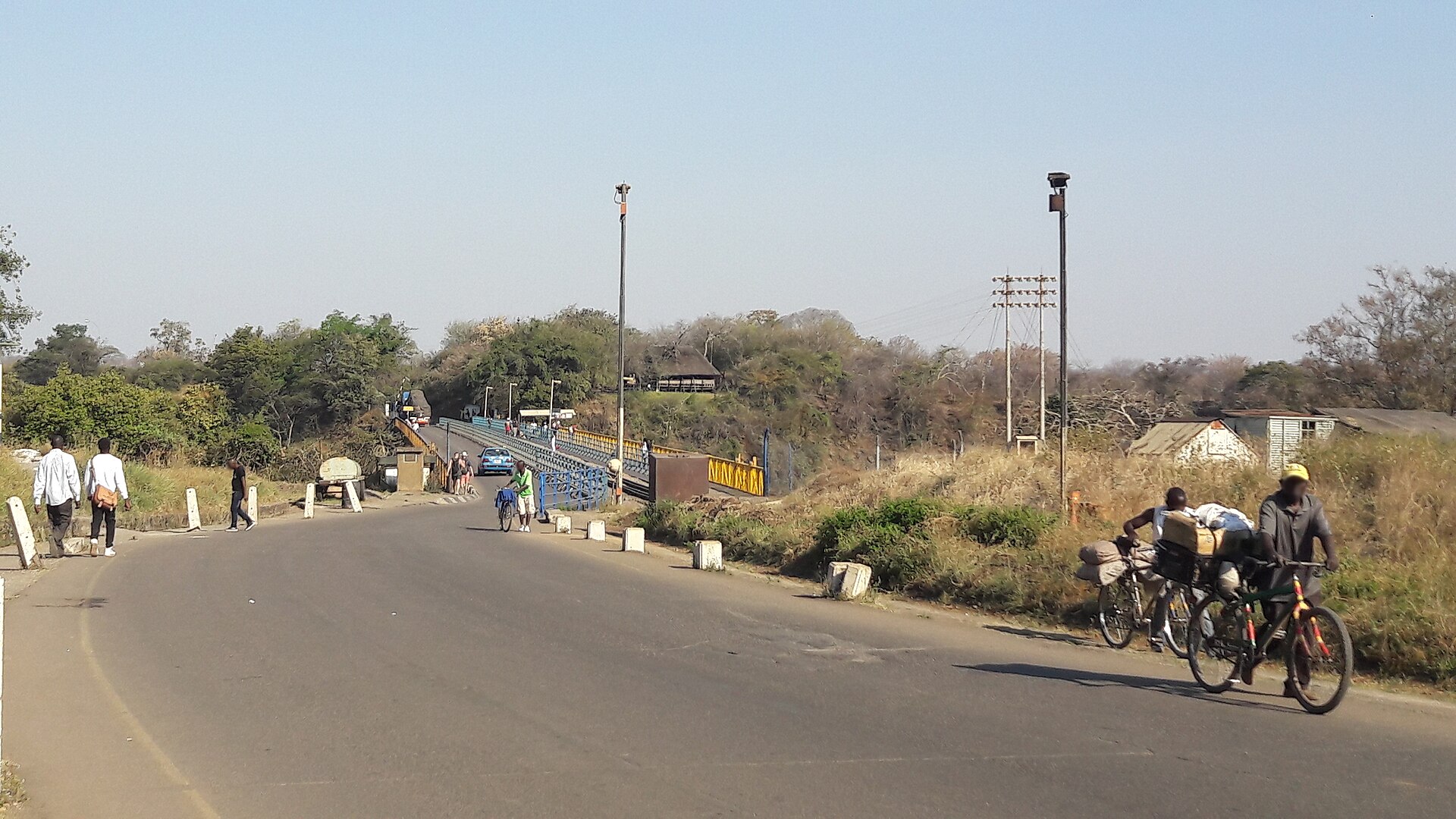
Anyone planning a trip in the next year should look at the KAZA UniVisa instead. It has been running since 2014 and permanent since December 2016.
It covers Zambia and Zimbabwe, and day trips into Botswana through the Kazungula crossing. It costs fifty US dollars.
It is valid for up to 30 days within a twelve-month period, with multiple entry between the two countries. Nationals of 54 countries are eligible, including the United States, Canada, most of Europe and Australia.
It is issued only at limited entry points. Those are the international airports at Lusaka and Livingstone, and the Victoria Falls and Kazungula land borders on both sides.
One common error is worth avoiding. The conservation area the visa is named after spans five countries, but the visa itself is a two-country instrument.
Why This Has Taken So Long
A shared visa requires more than goodwill. Immigration systems have to talk to each other and legal instruments have to be harmonised.
Revenue then has to be divided between states that keep their own fees today. That is where these schemes usually stall.
Revenue sharing is usually the hardest part. A country with a strong tourism sector collects more in visa fees today than it would under a pooled arrangement.
The visa is also one of three pillars in a wider connectivity programme, alongside air access and border efficiency. Delegates set a 24-month target for measurable progress on new intra-regional air routes and one-stop border posts.
That target belongs to the connectivity programme rather than to visa issuance. It is not a deadline for the SADC UniVisa.
One practical figure explains the pressure. The regional airlines association says taxes, fees and charges on African air transport run on average 49 percent above the global benchmark.
What a Traveller Should Do Now
Plan on the visas that exist. That means national visas for each country, or the KAZA UniVisa if the trip is limited to Zambia and Zimbabwe.
Watch for the signature stage rather than the approval stage. The agreement becomes real when member states start depositing instruments of ratification.
Immigration departments will report that, not summits. It is the first moment worth acting on.
The direction of travel is genuinely positive. The distance between a communique and a visa counter is simply longer than the headlines suggest.
More: Africa coverage, every day from The Rio Times.
Frequently Asked Questions
Can I get a SADC UniVisa now?
No. Southern African leaders approved the agreement establishing it at their summit in Durban on 17 August 2026 and called on member states to sign. No fee, validity period, application process, entry rules, eligibility list or launch date has been published, and no official has given a target date.
Which countries would it cover?
Trade reporting names Angola, Mozambique, Namibia, South Africa and Zimbabwe as the pilot group. That list does not appear in the summit communique itself, and the bloc has sixteen member states in total.
Is there a regional visa that already works?
Yes, the KAZA UniVisa. It covers Zambia and Zimbabwe plus day trips into Botswana via the Kazungula crossing, costs fifty US dollars, and is valid for up to 30 days within a twelve-month period with multiple entry between the two countries. Nationals of 54 countries are eligible and it is issued at limited entry points.
Why do these schemes take so long?
Immigration systems have to be connected, legal frameworks harmonised and visa revenue divided between states that currently keep their own fees. Revenue sharing is usually the hardest part, because countries with stronger tourism sectors collect more today than they would under a pooled arrangement.
Sources: SADC communiqué of the 46th Ordinary Summit, 17 August 2026, Tourism Update on the pilot countries and what is still unpublished, Zambia Department of Immigration on the KAZA UniVisa, Zimbabwe Department of Immigration on the KAZA UniVisa, SADC on the steps towards adoption and implementation
This article was produced by The Rio Times’ automated newsroom system. How we use AI · Report an error
Read More from The Rio Times