South Africa Blacklists Only 18 of 509 Suppliers Flagged in Graft Probes
South Africa · GOVERNANCE
Key Facts
- —The country South Africa, home to about 64.7 million people, is Africa’s most industrialised economy, with output of about US$427 billion in 2025, a little smaller than Denmark’s (World Bank).
- —Why it matters Public procurement is where much of South Africa’s past corruption happened, and a supplier blacklist is meant to stop flagged firms from winning new state contracts.
- —Why now On Wednesday 30 September 2026, Finance Minister Enoch Godongwana told Parliament that the blacklist had not grown since November 2025.
- —What happened The Presidency referred 509 firms and individuals to the National Treasury in September 2025 after corruption probes. Only 18 have been blacklisted, and 491 remain under review.
- —Who is involved The cases concern suppliers to Eskom (power), Transnet (rail and ports), the Umngeni water board, a state skills agency and the Free State provincial treasury.
- —What it means for you For foreign firms bidding for, or partnering on, South African state contracts, absence from the blacklist is not proof that a counterpart is clean.
- —Still open Godongwana said the Treasury would study its legal options against the state bodies that have not acted. He gave no timeline.
South Africa has blacklisted only 18 of 509 suspect suppliers flagged by corruption investigators a year ago. The other 491 companies and individuals remain eligible for state contracts while their cases sit under review.
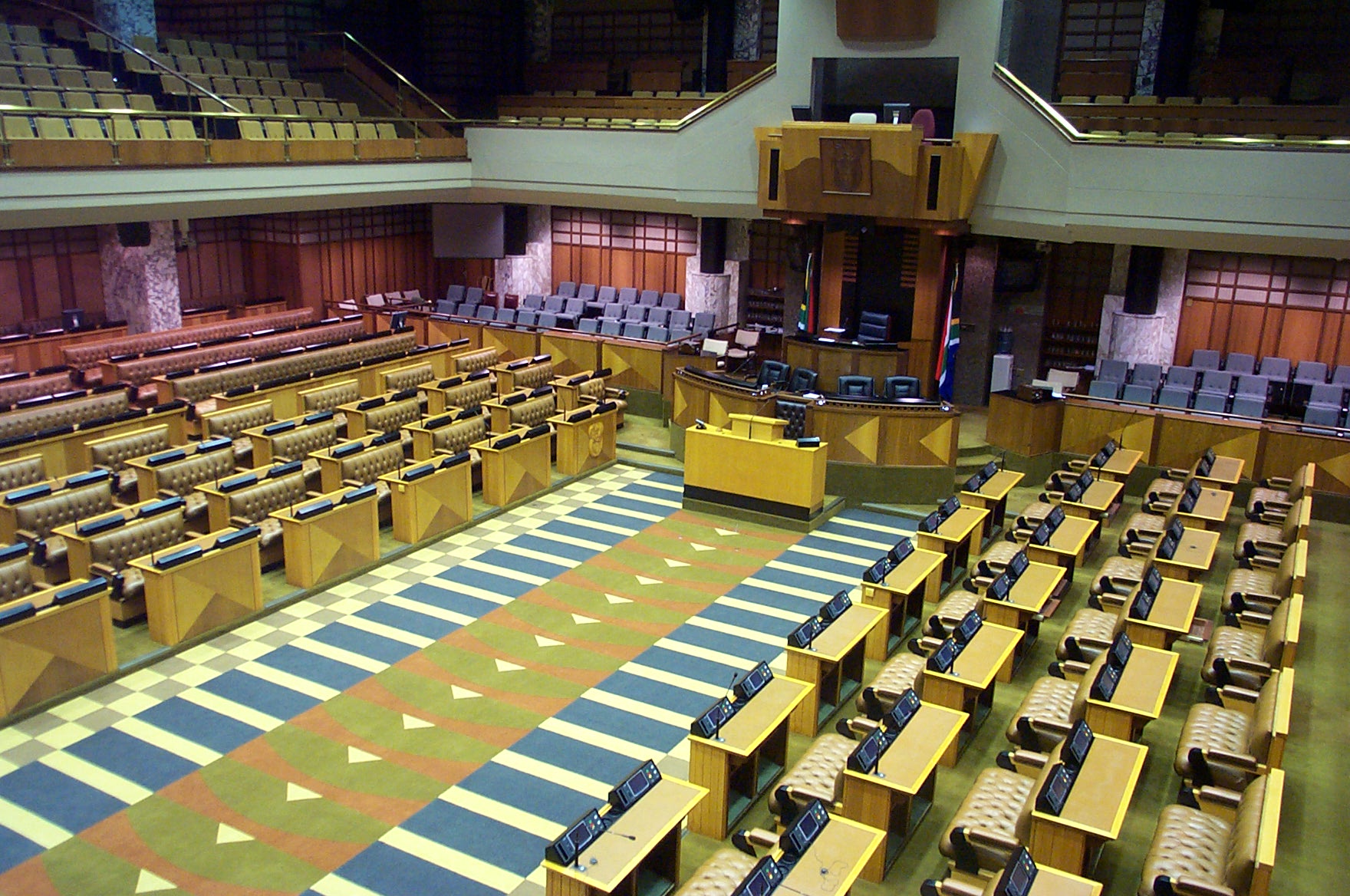
The figure comes from Finance Minister Enoch Godongwana, who answered questions in the National Assembly, Parliament’s lower house, on Wednesday 30 September. He said the National Treasury’s list of restricted suppliers had not changed since November 2025.
Who flagged the suspect suppliers
The cases come from the Special Investigating Unit (SIU), a state body that probes corruption and maladministration in public institutions on presidential orders. Its reports recommended that certain firms and individuals be barred from government work.
The Presidency passed 509 such names to the National Treasury, South Africa’s finance ministry, in September 2025. By November, 18 had been entered into the restricted supplier database and 491 were still under review.
Entry into that database means the state can no longer do business with the company or individual concerned. Until then, a flagged supplier can keep bidding for public tenders.
Why the Treasury says its hands are tied
Godongwana told MPs that the Treasury keeps the database but cannot add names on its own. “In the absence of a formal request from an organ of state, National Treasury cannot independently restrict a supplier,” he said.
The law puts the first step on the state body that bought from the supplier. That body must identify the misconduct, start the restriction process and send the supporting documents.
Godongwana described a process with several waiting periods. An implicated company or person gets 14 days to respond, and that response must be considered.
If the state body still wants to proceed, it must consult the Treasury, which has a further 14 days to give an opinion. Only then are the documents sent so that the supplier can be listed.
Which state bodies have not acted
The 509 referrals involve companies and individuals that did business with five public bodies, according to News24. They include Eskom, Transnet and the Umngeni water board.
The others are a state skills training agency for the media and technology sectors and the Free State provincial treasury. The Free State is one of South Africa’s nine provinces.
Eskom is the state power utility that generates most of South Africa’s electricity. Transnet runs the country’s freight railways and main commercial ports, and Umngeni supplies bulk water in KwaZulu-Natal province.
Godongwana said the Treasury had written to Eskom, Transnet and Umngeni about the cases. He added that none of the three had explained why they had not completed the restrictions.
Pushback in Parliament
The question came from Wendy Alexander of the Democratic Alliance (DA), the second-largest party in the governing coalition. She said the flagged companies and individuals pose “a fiscal risk” and that someone must take responsibility.
Alan Beesley of ActionSA, an opposition party, called the blacklisting regime “a total farce”. Other MPs said it was shameful that public money could still flow to companies linked to corruption.
Godongwana said he would examine what legal options the Treasury has when Eskom, Transnet and Umngeni fail to act. “That’s the only answer I can give at the moment,” he told the House, according to Eyewitness News.
What the numbers show
Eighteen out of 509 suspect suppliers is about 3.5 percent of the referrals. Put the other way, more than 96 percent of the cases flagged a year ago have not led to a ban.
The government has long faced criticism over slow blacklisting of firms flagged for restriction. The Treasury rejects claims that it is slow-walking the process, saying it has no legal power to act first.
Why it matters beyond South Africa
South Africa is a major destination for foreign investment on the continent. Its state companies award large contracts for power, rail, ports and water.
Investors and lenders watch procurement closely because past graft at Eskom and Transnet hurt both companies’ finances and services. A blacklist that barely moves weakens one of the main tools meant to rebuild trust.
For foreign companies, the practical point is due diligence. A South African partner or subcontractor that is absent from the restricted supplier database may still be named in an SIU report.
What to watch next
The next test is whether the Treasury finds a legal route to act without a request from the state bodies concerned. Godongwana gave no timeline for that review.
Until then, the 491 pending cases stay with the referring bodies. Any progress would show up as new names in the restricted supplier database, which the Treasury publishes.
Frequently Asked Questions
How many suspect suppliers has South Africa blacklisted?
South Africa has entered 18 of 509 referred companies and individuals into its restricted supplier database. The other 491 cases were still under review when Finance Minister Enoch Godongwana addressed Parliament on 30 September 2026.
Why has the Treasury blacklisted so few of them?
Godongwana said the Treasury cannot restrict a supplier without a formal request from the state body that used it. Eskom, Transnet and the Umngeni water board have not completed those requests.
What does being blacklisted mean in South Africa?
A company or person on the restricted supplier database can no longer do business with the South African state. Until a name is added, the supplier can keep bidding for public contracts.
Where did the 509 names come from?
They came from reports by the Special Investigating Unit, a state anti-corruption body. The Presidency referred the names to the National Treasury in September 2025.
Connected Coverage
Sources
This article was produced by The Rio Times’ automated newsroom system. How we use AI · Report an error
Read More from The Rio Times