Small Hydropower Plants Seek Opportunities in Brazil’s Evolving Energy Market
Brazil’s small hydropower sector is pushing for regulatory changes to compete more effectively in the country’s free energy market.
The Brazilian Association of Small Hydropower Plants (ABRAPCH) argues that current market conditions make it difficult for small hydro projects to remain viable.
ABRAPCH president Alessandra Torres stated that small hydro plants face higher costs than some competitors due to transmission infrastructure requirements.
The sector received a boost in December 2024 when Brazil‘s Ministry of Mines and Energy announced guidelines for an A-5 energy auction. This auction will contract new power supply from plants between 1-50 MW starting in 2030.
Industry representatives view this as an important step to support small hydro development. Small hydropower advocates highlight several advantages of these projects.
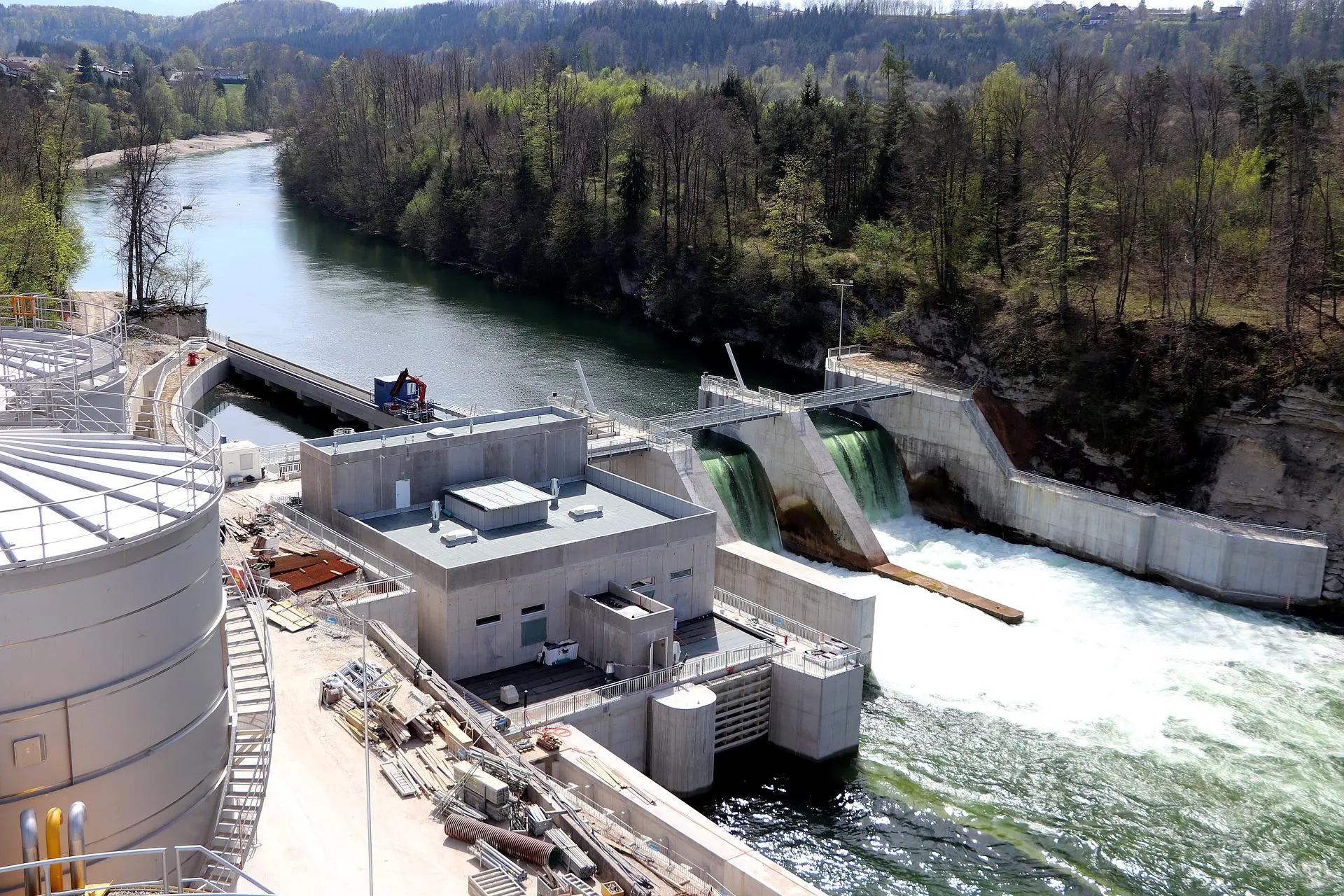
They can provide firm, dispatchable power to complement intermittent renewables like wind and solar. Their location near demand centers reduces transmission losses. Connection to distribution networks supports local grids.
Small Hydropower’s Struggles
However, challenges remain for small hydro to expand its role significantly. Current free market energy prices are often too low to make projects economically viable.
The sector is calling for policies to improve competitiveness, such as compensation for grid services and environmental attributes. Brazil added a record 10.9 GW of new power capacity in 2024, surpassing government projections.
Solar and wind dominated these additions. Small hydro contributed a modest 56 MW from 11 new plants. This reflects the sector’s struggle to compete with rapidly expanding solar and wind.
The country aims to further diversify its electricity mix beyond large hydropower. Small hydro could play a role in this transition. Its ability to provide flexible generation complements variable renewables.
However, realizing this potential may require additional policy support and market reforms. As Brazil pursues its clean energy goals, small hydropower plants seek their place. The sector argues it can contribute to a reliable, sustainable grid.
Whether it can overcome economic hurdles to expand remains to be seen. The upcoming A-5 auction may provide insights into small hydro’s future prospects in Brazil’s evolving energy landscape.
Brazil’s Renewable Energy Surge: Small Hydro Seeks Its Place
Brazil added a record 10.9 GW of new power capacity in 2024, with over 91% coming from renewable sources. This remarkable growth underscores the country’s commitment to clean energy.
However, it also highlights challenges for small hydropower plants seeking to compete in the evolving market. Solar and wind power dominated the new additions, contributing 5.6 GW and 4.3 GW respectively.
In contrast, small hydropower plants added just 56 MW from 11 new facilities. This disparity reflects the sector’s struggle to remain competitive amid rapidly expanding solar and wind installations.
The Brazilian Association of Small Hydropower Plants (ABRAPCH) argues that current market conditions make it difficult for small hydro projects to remain viable. They face higher costs than some competitors, particularly due to transmission infrastructure requirements.
However, the sector received a boost when Brazil’s Ministry of Mines and Energy announced guidelines for an A-5 energy auction specifically for small hydro projects between 1-50 MW.
Small hydropower advocates highlight several advantages of these projects. They can provide firm, dispatchable power to complement intermittent renewables, are located near demand centers, and support local grids.
The sector is calling for policies to improve competitiveness, such as compensation for grid services and environmental attributes. Brazil is pursuing its clean energy goals, achieving 91% of electricity from clean sources in 2023.
Small hydropower plants are striving to secure their place in this energy mix. The upcoming A-5 auction may provide insights into small hydro’s future prospects in Brazil’s rapidly evolving energy landscape.
More: Brazil news in English, every day from The Rio Times.
This article was produced by The Rio Times’ automated newsroom system. How we use AI · Report an error · Editorial responsibility: Matthias Camenzind, Editor-in-Chief