Senegal Private Sector Dialogue: PM Lô Pledges Arrears Timetable
SENEGAL · BUSINESS
Key Facts
- —What happened Prime Minister Lô met about fifteen employer and business organisations in Dakar on 17 September 2026.
- —The money He put the state’s debt to companies at nearly 2,000 billion CFA francs (about US$3.5 billion).
- —First payment He said 300 billion CFA francs (about US$525 million) from the budget will start the repayments.
- —The rhythm A business leader told RFI the prime minister promised to meet the private sector every three months.
- —The catch No payment calendar or meeting schedule has been published yet, and the IMF programme is not yet approved.
- —What comes next Business groups are asked to propose a repayment timetable by the end of October 2026.
Senegal’s new prime minister told company leaders the state will pay what it owes them, and asked for a timetable by the end of October.
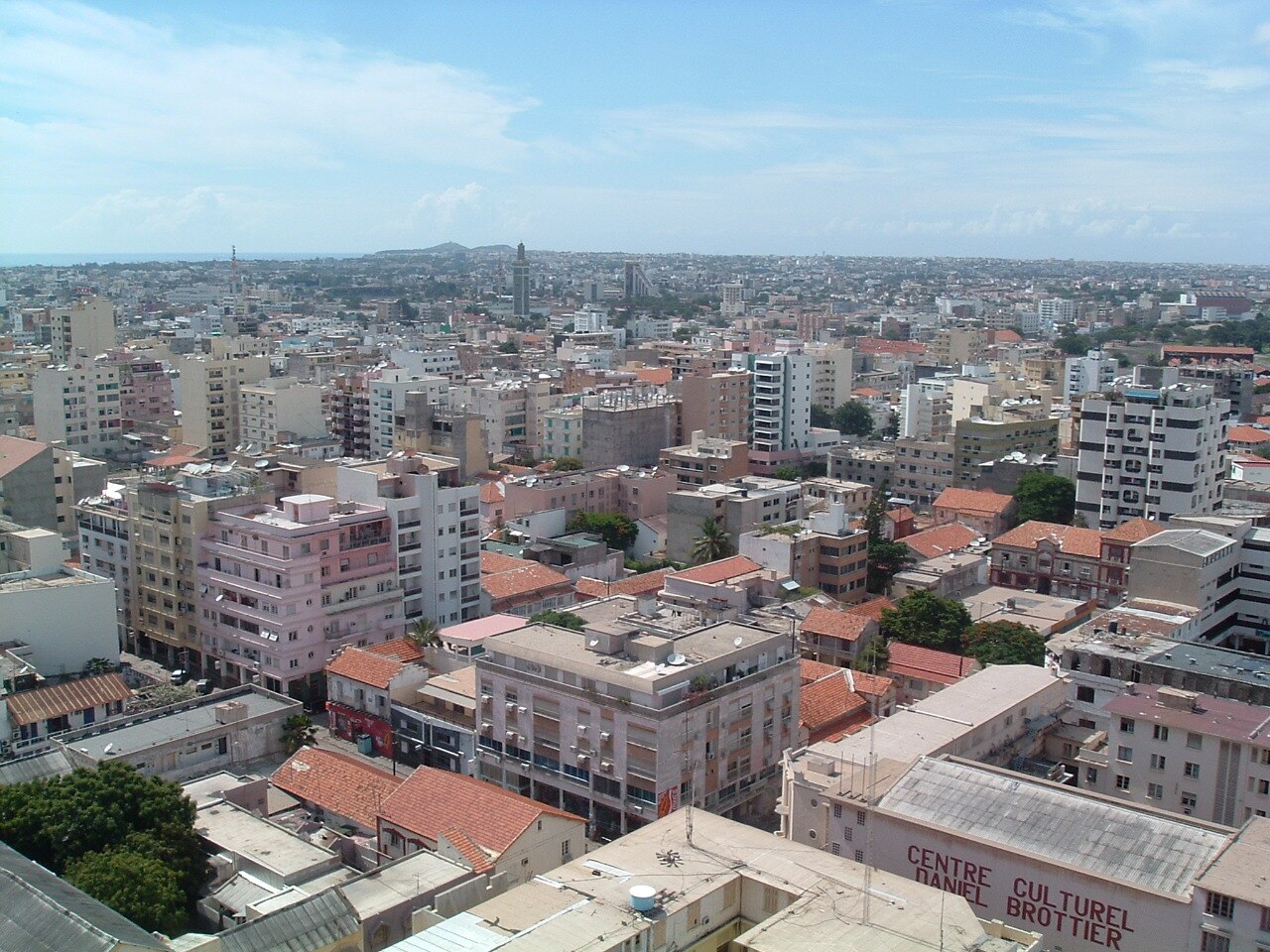
Senegal’s Prime Minister Ahmadou Al Aminou Lô met about fifteen business organisations in Dakar on Thursday, 17 September 2026. The Senegal private sector dialogue now has a promised rhythm and a first test: a payment timetable for unpaid state bills.
What the prime minister told business leaders
Lô, an economist and former central banker, became prime minister on 25 May 2026. President Bassirou Diomaye Faye appointed him after dismissing Ousmane Sonko.
On 17 September he received the main employer groups at the government offices in Dakar. The state news agency APS said about fifteen private-sector organisations took part.
His central message was that the private sector, not the state, must lead Senegal’s economic change. “L’État n’a ni la vocation ni les moyens de se substituer à l’initiative privée,” he said, according to APS.
In plain English: the state has neither the role nor the means to replace private initiative. He linked this to “Sénégal 2050”, the government’s long-term development plan.
Six commitments on the table
APS listed six recommendations from the meeting. The first is to restore a regular dialogue between the state and companies.
The others are a better business climate, investment in regions and industry, and large “catalytic” projects. The list also includes paying the state’s domestic debt and helping companies in difficulty.
A small working group of state officials and business representatives will follow up on the decisions, APS reported. Lô also invited business leaders to talk directly with parliament.
Rules to apply the 2025 Investment Code and the public-private partnership framework will be ready before the end of 2026, he said. Draft tax and customs codes will be shared with companies for comment.
Unpaid bills are the first test of the Senegal private sector dialogue
Domestic arrears are the most pressing issue for Senegalese firms. Lô put the state’s debt to private companies at nearly 2,000 billion CFA francs (about US$3.5 billion), according to RFI.
On 9 September he had given a more precise figure. Arrears stood at 1,956 billion CFA francs (about US$3.4 billion) at the end of March 2025, CNBC Africa reported.
At the meeting, Lô said 300 billion CFA francs (about US$525 million) from the budget will be used to start repaying companies. Dollar amounts here use 18 September 2026 rates of 571 CFA francs per US dollar.
“Le secteur privé national ne sera pas une variable d’ajustement de la trésorerie publique,” he said, according to Le Soleil. In other words, local companies will not be used to balance the state’s cash needs.
He asked for a payment timetable to be proposed by the end of October, Seneweb reported. Baïdy Agne, president of the national employers’ council (CNP), called this “une bonne nouvelle” — good news.
Business leaders welcome a regular channel
Mbanick Diop leads Medes, the Senegal business movement. He told RFI this was the prime minister’s first direct contact with the whole private sector, and that Lô promised three-monthly meetings.
Diop added that the state lacks reliable monitoring of how Senegalese companies are doing. Employers raised a slow business climate and little consultation on tax and customs reform, RFI reported.
Lô also urged firms to raise more capital of their own, Seneweb reported. He warned that banks cannot support companies with thin equity.
He suggested investment-fund partners or stock-market listings as options. The government also wants local firms to bid for its large projects.
What it means for expats and investors
For anyone running a business in Senegal, faster payment of state bills would ease cash flow. Suppliers and contractors to government bodies stand to benefit first.
The push for local content in public contracts may open doors for joint ventures with Senegalese firms. It may also mean more competition for foreign bidders on the same tenders.
Senegal uses the West African CFA franc, which is fixed to the euro through the regional central bank, BCEAO. This limits currency risk for euro-based investors, though not for dollar-based ones.
The wider backdrop is Senegal’s new International Monetary Fund (IMF) programme. On 1 September 2026 the IMF announced a staff-level agreement on a 36-month loan of about US$2.2 billion.
What is not yet known
The IMF deal still needs approval from IMF management and its Executive Board. The fund said this depends on corrective actions and financing assurances from Senegal’s partners.
No repayment calendar has been published, and it is not clear which firms will be paid first. The dates of the promised quarterly meetings are also not yet set.
The next meeting between business leaders and the state is expected at the Presidential Investment Council, RFI reported. Its date has not been announced.
The first clear sign of progress will be the payment timetable due by the end of October.
Frequently Asked Questions
Frequently Asked Questions
Who is Senegal’s prime minister?
Ahmadou Al Aminou Lô, an economist and former central banker. President Faye appointed him on 25 May 2026, replacing Ousmane Sonko.
How much does the state owe Senegalese companies?
Lô put it at nearly 2,000 billion CFA francs (about US$3.5 billion). He said 300 billion CFA francs (about US$525 million) will start the repayments.
Will the meetings really happen every three months?
A business leader told RFI that Lô promised this. No official schedule has been published so far.
Connected Coverage
Senegal Debt Restructuring Was Unthinkable in February. Now Dakar Wants It Fast
West African Firms Can Now Connect Their Own Software to the Regional Payment System
Sources: Agence de Presse Sénégalaise (APS), 17 September 2026; RFI; Le Soleil; Seneweb; Le Quotidien; CNBC Africa; Presidency of Senegal; International Monetary Fund press release, 1 September 2026.
This article was produced by The Rio Times’ automated newsroom system. How we use AI · Report an error
LatAm Markets: Live Signals → — real-time movers, turnover leaders and FX across Latin America.
Read More from The Rio Times