West African Firms Can Now Plug Their Own Accounting Software Into the Region’s Instant Payment System
WEST AFRICA · FINTECH
Key Facts
- —What happened Twenty-four approved business interfaces now connect company software to the regional instant payment system.
- —What they do They let a firm’s accounting, invoicing and treasury software talk directly to the payment infrastructure.
- —Where they are Ivory Coast has eight and Senegal nine, with the rest spread across five other member states.
- —The system The regional instant payment platform was launched by the central bank on 30 September 2025.
- —The deadline Banks and payment institutions must connect by 30 September 2026, microfinance bodies by 30 June 2027.
- —What is not published The central bank has not released transaction values or fee schedules.
Not a new payment app, but the plumbing that lets a company’s own accounting software talk to the regional system.
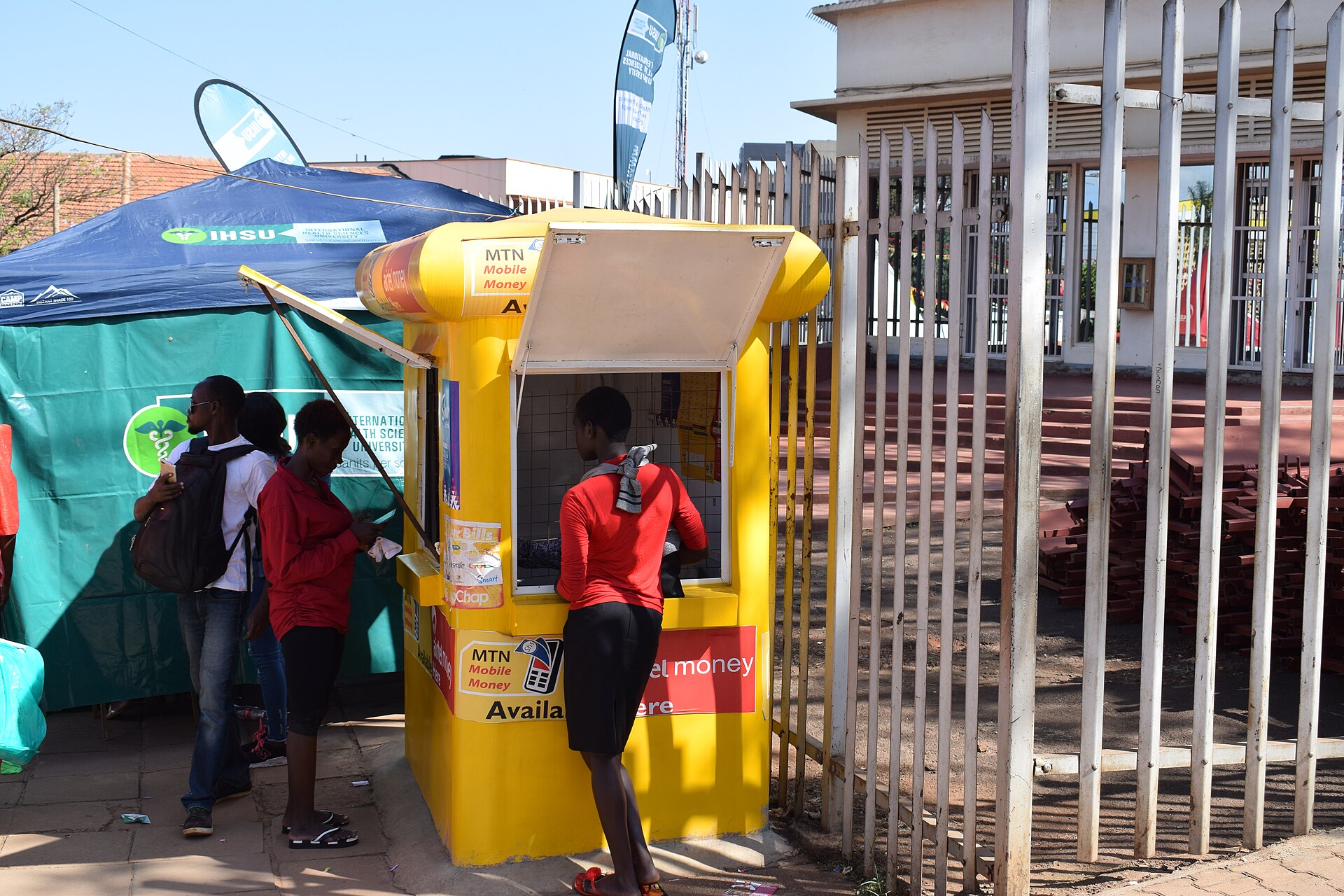
Twenty-four approved business interfaces now let West African companies connect their own software to the region’s instant payment system. The central bank for the eight-country monetary union confirmed the number on 17 September 2026.
What Was Actually Announced
The twenty-four are business interfaces, not consumer payment apps. They allow a company’s own accounting, invoicing or treasury software to connect directly to the regional payment infrastructure.
That distinction matters. A consumer app moves money between people, while these let a business system initiate and reconcile payments without anyone retyping anything.
Where They Are Available
Ivory Coast accounts for eight of the twenty-four and Senegal for nine. Niger has two, and Benin, Burkina Faso, Guinea-Bissau, Mali and Togo have one each.
The distribution follows the size of the countries’ formal business sectors. It also shows how uneven access across the union still is.
The System Behind It
The regional central bank launched the instant payment platform on 30 September 2025. It serves the eight countries of the West African Economic and Monetary Union.
Those are Benin, Burkina Faso, Guinea-Bissau, Ivory Coast, Mali, Niger, Senegal and Togo. They share the West African CFA franc.
Who Is Connected So Far
As of early April 2026 the central bank recorded 80 institutions connected. Those were 59 banks, nine electronic money institutions, 11 microfinance bodies and one payment institution.
A further group was in testing at that point. The central bank has not published an updated participant count since.
The Deadlines
Banks, electronic money institutions and payment institutions must connect by 30 September 2026. Microfinance institutions have until 30 June 2027.
The first deadline is now under two weeks away. The central bank extended it once already.
Which Institutions Are Named
Ecobank, Mansa Bank, MTN Mobile Financial Services, Orange Finances Mobiles, FBNBank and Standard Chartered appear in the current reporting. They span banks and mobile money operators.
The mix matters because instant payment only works if bank accounts and mobile wallets can reach each other. A system connecting only banks would exclude most users.
Why This Is a Business Story Rather Than a Consumer One
For a company, the cost of payments is rarely the fee. It is the staff time spent matching incoming money to invoices.
Software that receives a payment and closes the invoice automatically removes that work. That is what these interfaces are for.
What It Means for a Business in the Region
Any company running standard accounting software in one of the eight countries can now ask whether its supplier has an approved interface. If it does, reconciliation can be automated.
For companies operating across several member states, the same connection should work in each. A single monetary union with a single instant payment system is the point of the design.
What Is Not Yet Known
The central bank has not published transaction volumes, values or fee schedules. Without those, the system’s actual use cannot be assessed.
Nor has it said what happens to institutions that miss the September deadline. No enforcement mechanism has been described publicly.
What to Watch
Whether the 30 September deadline holds or is extended again. A second extension would say something about readiness across the union.
Watch also for the first published transaction figures. They are the only way to tell adoption from connection.
More: Africa news and analysis, every day from The Rio Times.
Frequently Asked Questions
What are the 24 interfaces?
Approved business interfaces that let a company’s accounting, invoicing or treasury software connect to the regional instant payment system.
Where are they available?
Eight in Ivory Coast, nine in Senegal, two in Niger and one each in Benin, Burkina Faso, Guinea-Bissau, Mali and Togo.
When was the payment system launched?
On 30 September 2025, by the regional central bank.
Which countries does it cover?
Benin, Burkina Faso, Guinea-Bissau, Ivory Coast, Mali, Niger, Senegal and Togo.
What is the connection deadline?
30 September 2026 for banks and payment institutions, and 30 June 2027 for microfinance institutions.
How much does it cost to use?
No fee schedule has been published.
Sources: Central Bank of West African States communiques on the instant payment platform, including the extension notice of 25 June 2026; Ecofin Agency reporting, 17 September 2026.
This article was produced by The Rio Times’ automated newsroom system. How we use AI · Report an error
LatAm Markets: Live Signals → — real-time movers, turnover leaders and FX across Latin America.
Read More from The Rio Times