Foreign Buyers Are Snapping Up Rio Studios, and Rents Are Climbing
Brazil · Real Estate
Key Facts
—The shift. Foreign owners have jumped from about 2 percent to nearly 18 percent of one manager’s Rio studio clients in three years.
—The scale. That is roughly 1,620 small apartments now in international hands, with more sold every month.
—The driver. A post-pandemic tourism boom and easy remote buying have turned compact studios into short-let income machines.
—The squeeze. Rents in the beach districts are rising fast, with several Zona Sul neighbourhoods up about 30 percent or more.
—The fight. Rio’s city council is debating whether to rein in short-term rentals, and the platforms are pushing back.
—The stake. For an investor abroad, Rio offers strong rental yields, but the rules could change.
Rio foreign buyers are reshaping the city’s housing market, snapping up small apartments to rent to tourists, and that rush of international money is now pushing rents higher in the most desirable beach neighbourhoods.
Something has changed in the way foreigners buy property in Rio de Janeiro. A few years ago they were a rounding error in the market; now they are a force.
Lobie, a company that manages studios rented to tourists, says foreigners made up about 2 percent of its buyers three years ago. In 2026 that share has climbed to nearly 18 percent.
The firm runs around 9,000 studios across dozens of buildings in the city. On those numbers, roughly 1,620 of them are now owned by international investors.
Who the Rio foreign buyers are
According to Lobie’s chief executive, Ernesto Otero, the buyers come from Europe and across Latin America, alongside investors from the United States and the United Arab Emirates. The pattern is no longer occasional, he says, but a steady share of new-build sales.
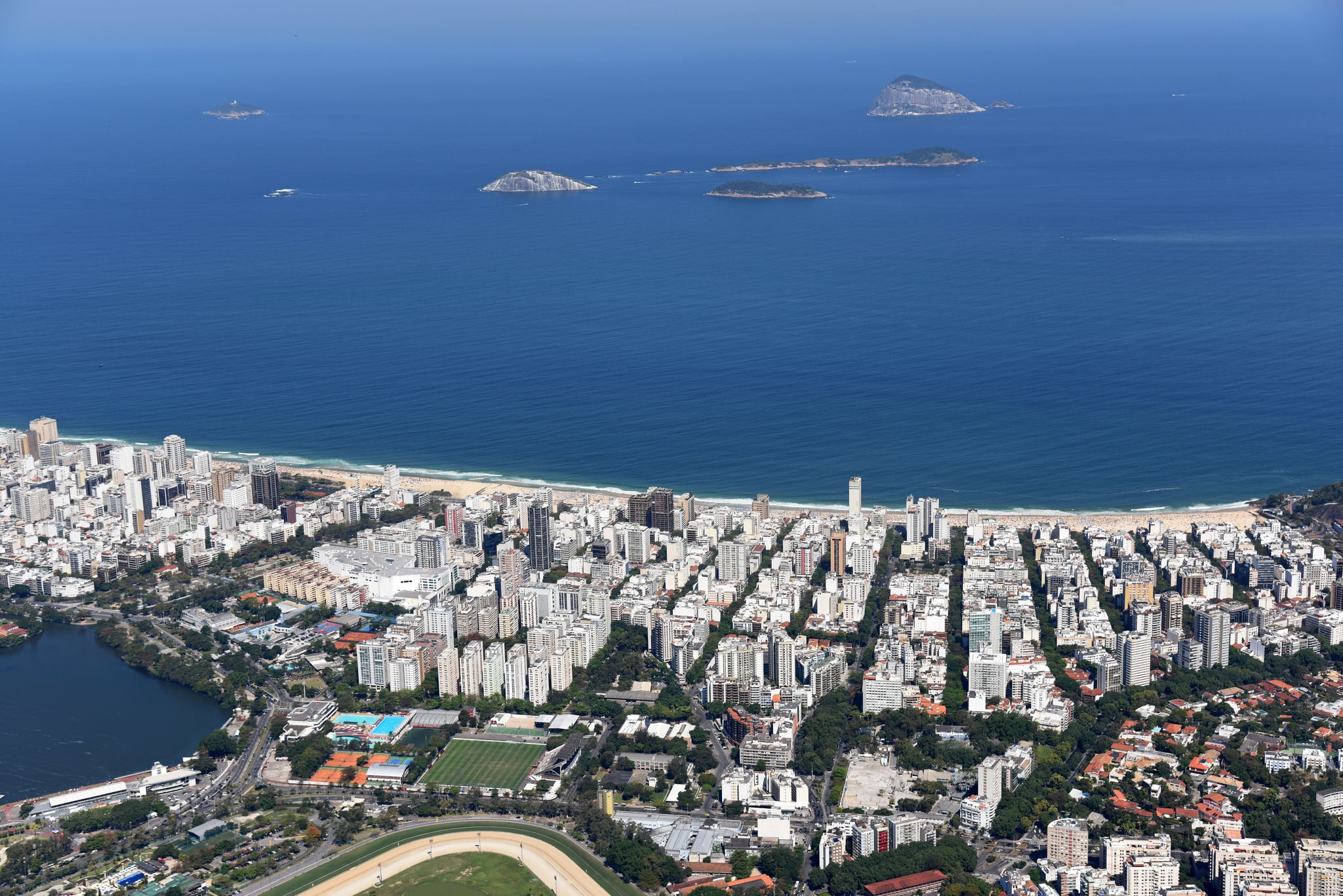
Another agency, Patrimóvel, found the same trend in the prime beach districts. Of 54 studios it sold in Copacabana, Ipanema and Leblon between November and April, just under a third went to foreigners.
The product itself is specific. These are compact apartments of around thirty square metres, bought less to live in than to let to a steady stream of visitors.
Why now
Two things lit the fuse. The first is the rebound in tourism, with Rio drawing more than one and a half million foreign visitors in the first nine months of 2025, a jump of about half on the year before.
The second is technology. Digital contracts and remote payment have made it far easier for someone in London or Lisbon to buy and manage a Rio flat without ever boarding a plane.
The economics are simple enough to explain the appetite. In a hot tourist market, letting a studio by the night can earn close to twice what a normal long-term tenancy would bring in.
The rent squeeze
There is a cost to this boom, and tenants are feeling it. A study by the property platform Loft found rents in Rio rose by an average of 7 percent over the six months to April, but the increases were far steeper in the smartest areas.
In the leafy Jardim Botânico district, average rents climbed by nearly 40 percent. Flamengo rose by more than a third, while Barra da Tijuca and Botafogo each gained around 30 percent.
Loft’s data chief, Fábio Takahashi, describes a divided city. While the beach districts and Barra surge, parts of the suburbs and the western zone are actually seeing rents fall.
A regulatory fight is brewing
As in many tourist cities, the backlash has reached politics. Rio’s city council has spent the past year weighing rules for short-term rentals, with at least two draft bills floated so far.
Critics argue the model is quietly turning residential blocks into informal hotels, pushing up the cost of an ordinary lease in neighbourhoods built for living, not for tourists. Supporters counter that it spreads tourist money and helps owners cover their bills.
Airbnb has pushed back hard, arguing the activity is already legal under Brazil’s national tenancy law. It points out that many of its Rio hosts are retirees who rely on the extra income to stay in their homes.
What it means for buyers abroad
For a foreign investor, the draw is clear. A relatively cheap entry price, a strong dollar or euro against the Brazilian real, and high tourist demand add up to rental yields that are hard to find in Europe.
The catch is the uncertainty. Beyond any new city rules, a recent high court decision lets individual condominium buildings vote to restrict or ban short lets, so two flats on the same street can face very different futures.
The smart money, then, is reading the building’s bylaws as carefully as the spreadsheet. Rio is wide open to foreign capital right now, but the welcome is starting to come with conditions.
Connected Coverage
For the wider picture on settling in the city, see our 2026 guide to living in Rio de Janeiro and our practical walkthrough on how to rent an apartment in Brazil as a foreigner.
More: Brazil news in English, every day from The Rio Times.
Frequently Asked Questions
How many foreigners are buying property in Rio de Janeiro?
One large short-let manager says foreign clients have risen from about 2 percent to nearly 18 percent of its studio buyers in three years, or roughly 1,620 apartments. A separate agency found that just under a third of the studios it sold in the prime beach districts recently went to foreigners.
Why are rents rising so fast in Rio?
A tourism boom has made short-term letting highly profitable, drawing investors who buy small flats to rent to visitors rather than long-term tenants. That has tightened supply in the most desirable neighbourhoods, where some rents have climbed about 30 to 40 percent in six months.
Could Rio restrict short-term rentals?
Possibly. The city council is debating draft rules, and a recent high court decision already allows individual condominium buildings to limit or ban short lets, so the rules can vary from one block to the next.
This article was produced by The Rio Times’ automated newsroom system. How we use AI · Report an error · Editorial responsibility: Matthias Camenzind, Editor-in-Chief
In depth