Brazil’s Congress Forces Lula’s Foreign Minister to Testify
Politics
Key Facts
—The summons. On 8 July the Chamber of Deputies’ foreign affairs and national defence committee approved a binding summons of Foreign Minister Mauro Vieira. Attendance is compulsory; unjustified absence can constitute a crime of responsibility.
—What triggered it. A 1 July ministry letter to Congress said Washington’s terrorist designation of two Brazilian gangs opened “the possibility of the use of United States military force on Brazilian territory.”
—The unanswered question. Information Request No. 1,012 of 2026 asked whether Washington formally notified Brasília before designating the gangs. The committee ruled the reply vague and generic.
—A failed downgrade. Governing-party deputies tried to convert the compulsory summons into a voluntary invitation, proposing dates in August. The committee refused.
—Both chambers moved. The Senate’s foreign relations committee approved a softer invitation on 7 July, one day before the Chamber’s binding summons.
—Washington’s answer. The State Department called the military-force scenario “absurd,” saying the designation carries visa and financial restrictions, not armed action.
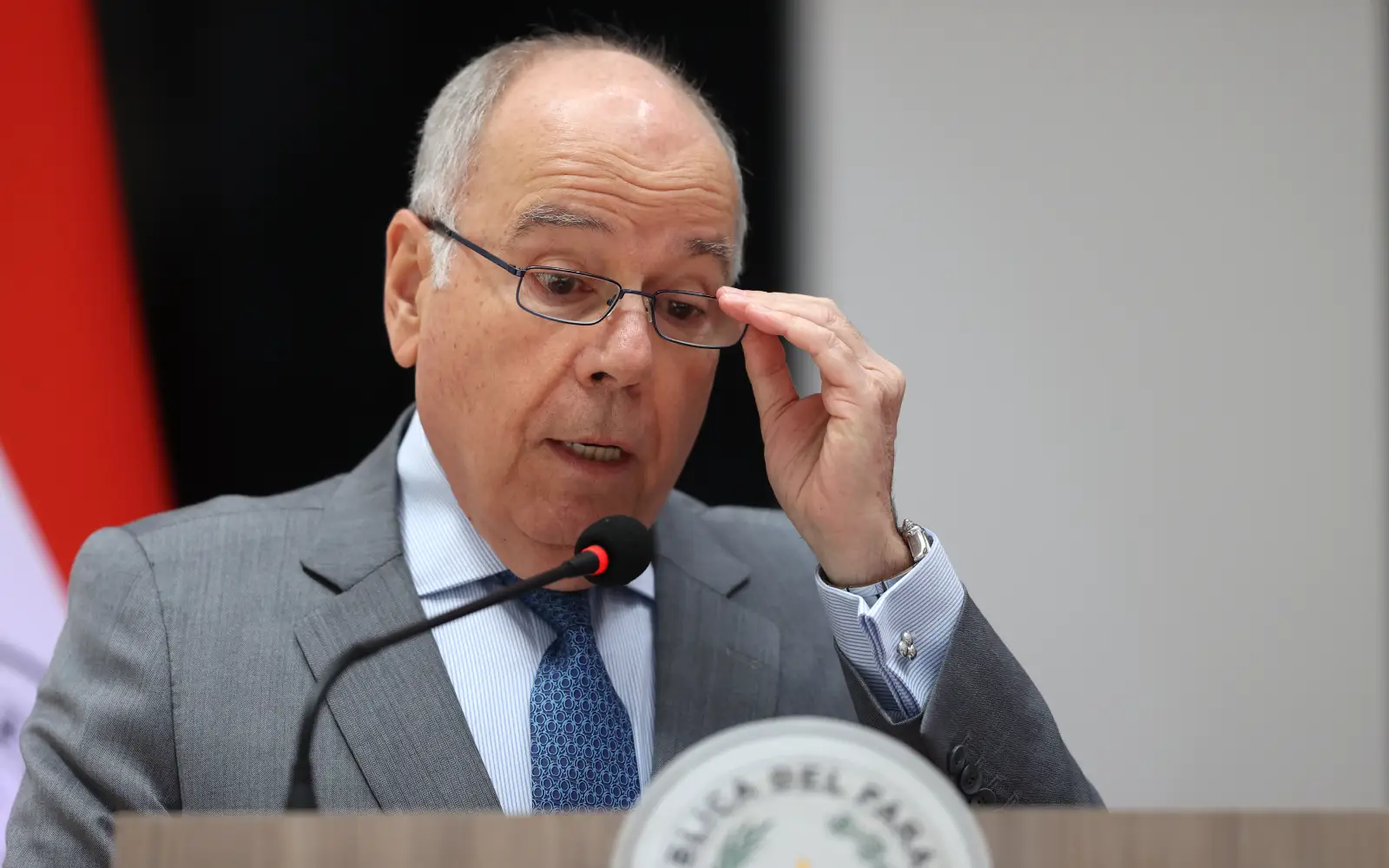
Brazil Congress has ordered President Lula’s foreign minister to appear. He must explain why his ministry told lawmakers that American troops might one day operate on Brazilian soil. The reason for the summons is not the claim itself, but what the ministry refused to disclose about it.
On Wednesday, 8 July, the Chamber of Deputies’ foreign affairs and national defence committee voted to summon Mauro Vieira. He is the career diplomat who has run Brazil’s foreign ministry since 2023. In Brazilian practice a binding summons is an order, not an invitation. A minister who ignores one without justification can be charged with a crime of responsibility.
The dispute began with a letter. On 1 July the ministry wrote to Congress about Washington’s decision to brand two Brazilian criminal organisations as foreign terrorist groups. In Brazil the ministry is known universally as Itamaraty, after the palace it once occupied.
Why Brazil Congress wants the minister in the room
The two groups are the First Capital Command and the Red Command. The first is a prison-born syndicate that dominates the drug trade out of São Paulo. The second is its older rival, based in Rio de Janeiro. The American designation took effect on 5 June and allows asset freezes and sanctions against anyone who supports them.
Itamaraty’s letter went further than sanctions. It warned that the designation opened, in its words, the possibility of the use of American military force on Brazilian territory.
That sentence detonated in Brasília. Within a week the State Department had publicly called the scenario absurd. It insisted that designation law provides for visa bans and financial blocking and says nothing about armed intervention.
Yet the committee’s own account of its vote, published by the Chamber, shows the summons was not really about that sentence. It was about a different failure.
What did the ministry decline to tell lawmakers?
Congress had asked a narrow, factual question through Information Request 1,012 of 2026. Had the United States formally notified Brazil before designating the two gangs? The ministry replied only that it had conveyed its position to American authorities.
It did not say when those communications happened, which officials took part, or which diplomatic channels were used. It also left out what Brazil actually said and what concrete steps followed. Five particulars were withheld, all the sort of thing a foreign ministry usually records as routine.
Deputy Evair Vieira de Melo filed both the original request and the summons. He called the reply generic and said it left the legislature unable to perform its oversight function. His point was sharper still: Congress had not questioned the government’s political position, but its facts.
The same deputy, no ally of the government, went on record rejecting the military scenario on legal grounds. A terrorist designation, he argued, authorises no intervention by itself. Its effects run to intelligence cooperation, financial sanctions and pressure on the economics of organised crime.
A government that tried to soften the blow, and lost
Brazilian committees can call ministers two ways. An invitation is voluntary and carries no penalty; a summons is binding.
Arlindo Chinaglia, speaking for the government, asked colleagues to downgrade the summons to an invitation and floated appearance dates in August. He also defended the minister outright. He argued that sovereignty admits no partial reading, and that when Vieira spoke of military risk he spoke the truth.
The committee declined. That refusal is the measure of the government’s weakened position in the lower house during an election year. It is the part of the story that matters for anyone pricing Brazilian political risk.
The Senate had moved a day earlier, on 7 July, approving only an invitation. Two chambers, two instruments, two different levels of pressure. It is a useful reminder that Brazil’s legislature is not a single actor.
Does the summons change Brazil’s foreign policy?
Not directly. Foreign policy is an executive prerogative under Brazil’s constitution. A committee cannot vote the government into a different posture toward Washington.
What a summons does is force a minister to defend his reasoning in public, under oath of political consequence. It comes at a moment when the presidency faces re-election. The cost is reputational and it is paid on television.
What should foreign investors take from Brazil Congress acting here?
The designation’s real machinery is financial, and that machinery is already running. Banks, exporters and any firm with counterparties in São Paulo or Rio now face sanctions exposure if a supplier or customer is later tied to either group.
The louder argument about troops has obscured the quieter one about compliance. A government fighting over rhetoric in committee is not yet negotiating the carve-outs and clarifications its own financial system needs.
Frequently Asked Questions
Why was Foreign Minister Mauro Vieira summoned by Brazil's Chamber of Deputies?
His ministry sent a letter to Congress on 1 July. It said Washington’s terrorist designation of two Brazilian gangs opened the possibility of US military force being used on Brazilian territory. The committee’s main concern was not the claim, but the ministry’s failure to say whether Washington formally notified Brasília first. The committee ruled the reply vague and generic.
Is the summons compulsory, and what happens if Vieira does not attend?
Yes, the summons approved on 8 July is binding, meaning attendance is compulsory. An unjustified absence can constitute a crime of responsibility. Governing-party deputies tried to convert it into a voluntary invitation with dates in August, but the committee refused.
How did the United States respond to Brazil's claim about potential military force?
The State Department called the military-force scenario 'absurd.' It clarified that the terrorist designation of the two Brazilian gangs carries visa and financial restrictions, not armed action.
What triggered the terrorist designation dispute?
Washington branded two Brazilian criminal groups as foreign terrorist organisations. They are the First Capital Command in São Paulo and the Red Command in Rio de Janeiro. The designation took effect on 5 June and allows asset freezes and sanctions against anyone who supports them.
Does the summons change Brazil's foreign policy?
Not directly. Foreign policy is an executive prerogative under Brazil’s constitution, and a committee cannot vote the government into a different posture toward Washington. What it does is force the minister to defend his reasoning in public.
Connected Coverage
US Calls Brazil’s Military-Action Fear “Absurd” Over Gang Label
Brazil Warns US Terror Label Could Invite Military Force
What the Gang Terror Label Means for Corporate Compliance in Brazil
This article was produced by The Rio Times’ automated newsroom system. How we use AI · Report an error · Editorial responsibility: Matthias Camenzind, Editor-in-Chief