Q2 2025: How Tenda, Boa Safra, and Alupar Managed Change
In the second quarter of 2025, three major Brazilian companies made important choices in a challenging economy
In the second quarter of 2025, three major Brazilian companies made important choices in a challenging economy.
Their stories, based on official company filings and financial disclosures, reveal how business leaders work to stay competitive, deliver results, and adapt.
Tenda builds affordable homes, Boa Safra supplies seeds to farmers, and Alupar operates power lines and energy projects. Their quarterly reports show real numbers and business thinking that matter both in Brazil and beyond.
Tenda: Strong Profits in Affordable Housing
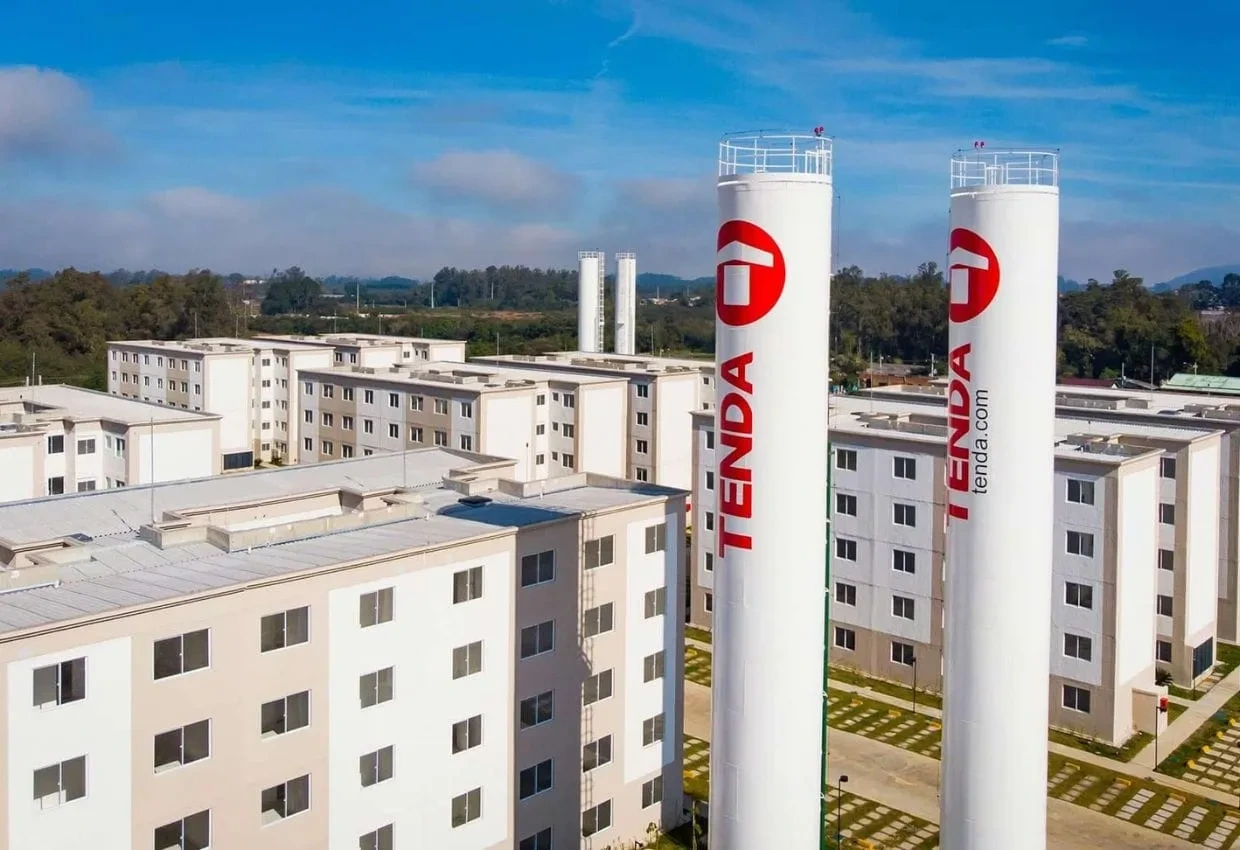
Tenda makes homes for families on lower incomes. This business is crucial because housing demand in Brazil is high. In Q2 2025, Tenda’s profit jumped to R$204 million (about $36 million), up sharply from the same period last year.
Tenda’s revenue reached R$992 million (about $174 million). The company sold more homes than before, with net sales rising to R$1.2 billion (about $211 million). New projects also increased.
The company decided to aim higher for the year, raising its expected profit to between R$360 and R$400 million ($63–$70 million) and sales to as much as R$4.3 billion ($754 million).
Tenda credits much of this success to better control over project costs and prices. One new risk, though, is its small segment making prefab homes, where profit margins fell due to rising costs. The story behind these numbers is about scale and discipline.
Tenda grew by staying focused—on delivering more homes, managing expenses, and adjusting plans quickly. In a country where housing remains a basic need, Tenda’s execution mattered more than flashy moves.
Boa Safra: Farmer Demand Steadies Growth
Boa Safra leads Brazil’s market for farm seeds. Farmers depend on its products to improve crop yields. In Q2, Boa Safra saw net profits climb to nearly R$25 million ($4 million), and EBITDA, a measure of cash profit, grew to R$10.5 million ($2 million).
Most notable: orders for soybean seeds hit a record R$1.6 billion ($281 million). Growth in planted soy area slowed, but farmers still chose to spend on high-quality seeds—even as borrowing costs rose.
Boa Safra relied on this ongoing demand and borrowed to grow, issuing R$500 million ($88 million) in new securities to fund business. The company also expanded its offerings in wheat, corn, and other crops.
The real lesson is that in farming, investment in better seeds and tech can outweigh macroeconomic shocks. Boa Safra’s focus on quality and service paid off even as farmers watched their budgets.
Alupar: Reliable Revenue, Margin Pressures in Power
Alupar keeps electricity flowing in Brazil by building and running transmission lines and energy projects. Q2 2025 showed solid revenue of R$1.04 billion ($183 million), up nearly 10%, but net profits fell to R$145 million ($25 million).
Adjusted EBITDA was R$600 million ($105 million). Costs and margin pressures were real, as heavy investment and regulation in energy can cut into profits—even when demand for power is high.
Alupar managed a strong EBITDA margin of 79%, though this was a little lower than last year. Its debt grew to R$8.6 billion ($1.5 billion), and financial leverage stayed high but controlled.
The company’s filings make clear it will keep investing as needed, focusing on efficient project delivery and new transmission contracts.
The key takeaway is that Alupar can offset rising costs with efficiency and smart investment, but every decision must weigh return on capital and risk in a complicated energy market.
This article was produced by The Rio Times’ automated newsroom system. How we use AI · Report an error · Editorial responsibility: Matthias Camenzind, Editor-in-Chief
LatAm Markets: Live Signals → — real-time movers, turnover leaders and FX across Latin America.