Paraguay Gains a New UNESCO Biosphere Reserve as It Hosts Talks
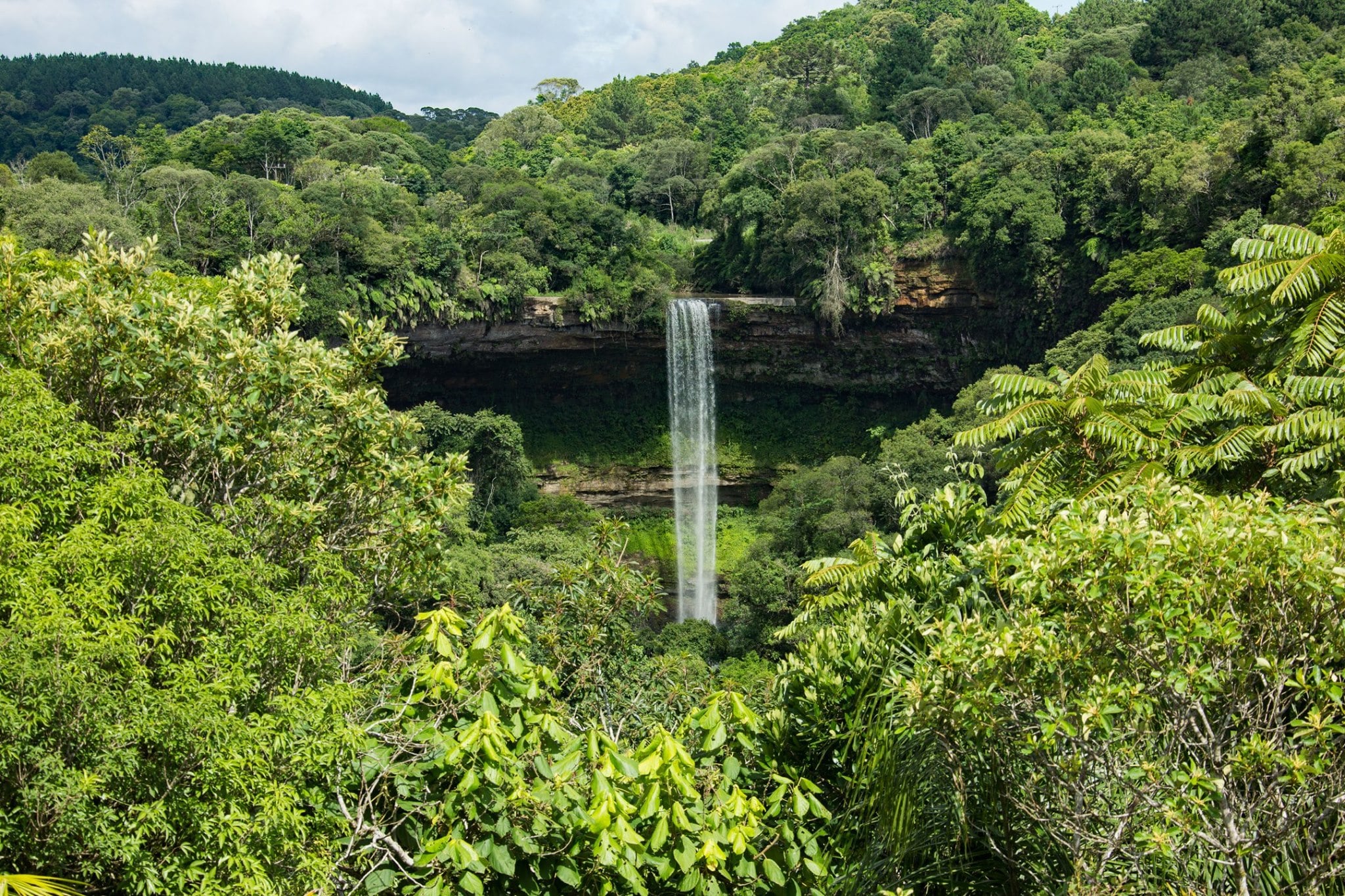
PARAGUAY · ENVIRONMENT
Key Facts
—The designation. UNESCO named a new biosphere reserve in Paraguay, called Sur del Alto Paraná.
—The timing. It was announced on June 5, World Environment Day, alongside thirteen other new sites.
—The host. Paraguay also hosted the global meeting where the decisions were taken, at Hernandarias.
—The network. The additions bring UNESCO’s World Network to 797 reserves across 145 countries.
—The idea. Biosphere reserves protect nature while keeping local communities living and working inside them.
—The setting. The meeting was held at Paraguay’s existing Itaipu reserve, near the giant dam of the same name.
Paraguay has gained a new UNESCO biosphere reserve while hosting the global meeting that approved it, a quiet double win for a country that rarely makes international headlines for its conservation work.
A new biosphere reserve for Paraguay
The new site is called Sur del Alto Paraná, in the country’s southeast near the river that gives it its name. It joins UNESCO’s global list of protected, lived-in landscapes.
It was one of fourteen new reserves announced on June 5, World Environment Day, in countries spanning every inhabited continent, from Albania and Algeria to Vietnam and Canada.
With the additions, the World Network of Biosphere Reserves now covers 797 sites across 145 countries, part of a steady expansion of the programme in recent years.
For Paraguay, the designation is a form of international recognition, a stamp that places one of its landscapes on a respected global conservation register.
The year’s group of new sites was notable for its range, including the first reserves ever for three countries and, for the first time, an entire city.
Host and beneficiary at once
The designation carries extra weight because of where the decision was made. Paraguay hosted the UNESCO meeting that approved it, at Hernandarias in the country’s east.
The gathering was the latest session of the council that governs the programme, drawing scientists and government delegates from dozens of countries to debate the network’s future.
Hosting placed Paraguay at the centre of a global conversation about how to balance conservation with development, and then sent it home with a new reserve of its own.
The meeting took place at Paraguay’s existing Itaipu reserve, a vast protected area in the east named for the giant hydroelectric dam the country shares with Brazil.
That reserve spans close to a million hectares and is home to a quarter of a million people, including indigenous communities and smallholders, making it a working example of the model in action.
What a biosphere reserve actually is
The label is often misunderstood. A biosphere reserve is not a fenced-off park that keeps people out, but a lived-in landscape where conservation and human activity are meant to coexist.
UNESCO describes the reserves as living laboratories, places where protecting nature, scientific research and the needs of local communities are managed together rather than traded off.
In practice that means farmers, indigenous communities and townspeople keep living and working inside the zone, under arrangements designed to safeguard the surrounding ecosystem.
The model treats those communities as part of the solution rather than an obstacle, a contrast with older conservation approaches built around exclusion.
The aim is to show that protecting nature and improving people’s lives need not be competing goals, a principle UNESCO has placed at the centre of the programme.
Why it matters beyond Paraguay
The designation feeds into a larger global target. Biosphere reserves, together with world heritage sites and geoparks, help advance the goal of protecting nearly a third of the planet’s land and sea by 2030.
For a landlocked South American country, joining that effort is a way to signal seriousness about conservation and to draw research, funding and tourism toward the protected area.
A recognised reserve can become a magnet for eco-tourism and scientific study, both of which bring outside money and attention to regions that might otherwise be overlooked.
It can also strengthen Paraguay’s hand in regional environmental diplomacy, giving it a concrete credential to point to in talks over shared rivers, forests and climate goals.
The real test, as ever, is enforcement. A designation sets a standard; whether the landscape is genuinely protected depends on the resources and will behind it in the years to come.
Paraguay’s eastern forests have faced heavy pressure from farming and clearance over the decades, so the label lands in a region where conservation has real work to do.
For now, the country can mark a rare moment of good environmental news, both as host of the talks and as the holder of a new place on the global map.
Whether the recognition translates into lasting protection on the ground is the real question that will follow the headlines, long after the delegates have gone home and the cameras have moved on elsewhere.
More: Paraguay news in English, every day from The Rio Times.
Frequently Asked Questions
What did Paraguay gain?
A new UNESCO biosphere reserve called Sur del Alto Paraná, in the country’s southeast, announced on World Environment Day alongside thirteen other new sites worldwide.
What is a biosphere reserve?
A lived-in landscape where conservation, science and local communities are managed together. UNESCO calls them living laboratories, not fenced-off parks that exclude people.
Why is the host detail notable?
Paraguay hosted the UNESCO meeting that approved the new sites, at Hernandarias, so it was both host of the talks and a beneficiary of the decisions.
How big is the global network now?
The latest additions bring the World Network of Biosphere Reserves to 797 sites across 145 countries.
Connected Coverage
For more on Paraguay, see our coverage of the country’s return to the World Cup and the start of Argentina’s World Cup title defense.
This article was produced by The Rio Times’ automated newsroom system. How we use AI · Report an error · Editorial responsibility: Matthias Camenzind, Editor-in-Chief