Paraguay Residency, the Cheap South American Route, Just Changed Its Rules
Paraguay · Expats
Key Facts
- —The rule Resolución DNM 407/2026 governs permanent-residency files submitted from 6 July 2026.
- —One test A single economic-solvency standard now runs across the residency categories.
- —Who it covers Retirees, remote workers and property owners use the same solvency route.
- —The 90-day rule Permanent residency can be filed from 90 days before a temporary card expires until 30 days after it.
- —The fee MERCOSUR temporary residency costs Gs. 2,341,540, about US$392, below one month’s minimum wage.
For years the standard advice for a low-cost second residency, Paraguay has quietly rewritten the terms. Anyone mid-process now has to prove where their money comes from.
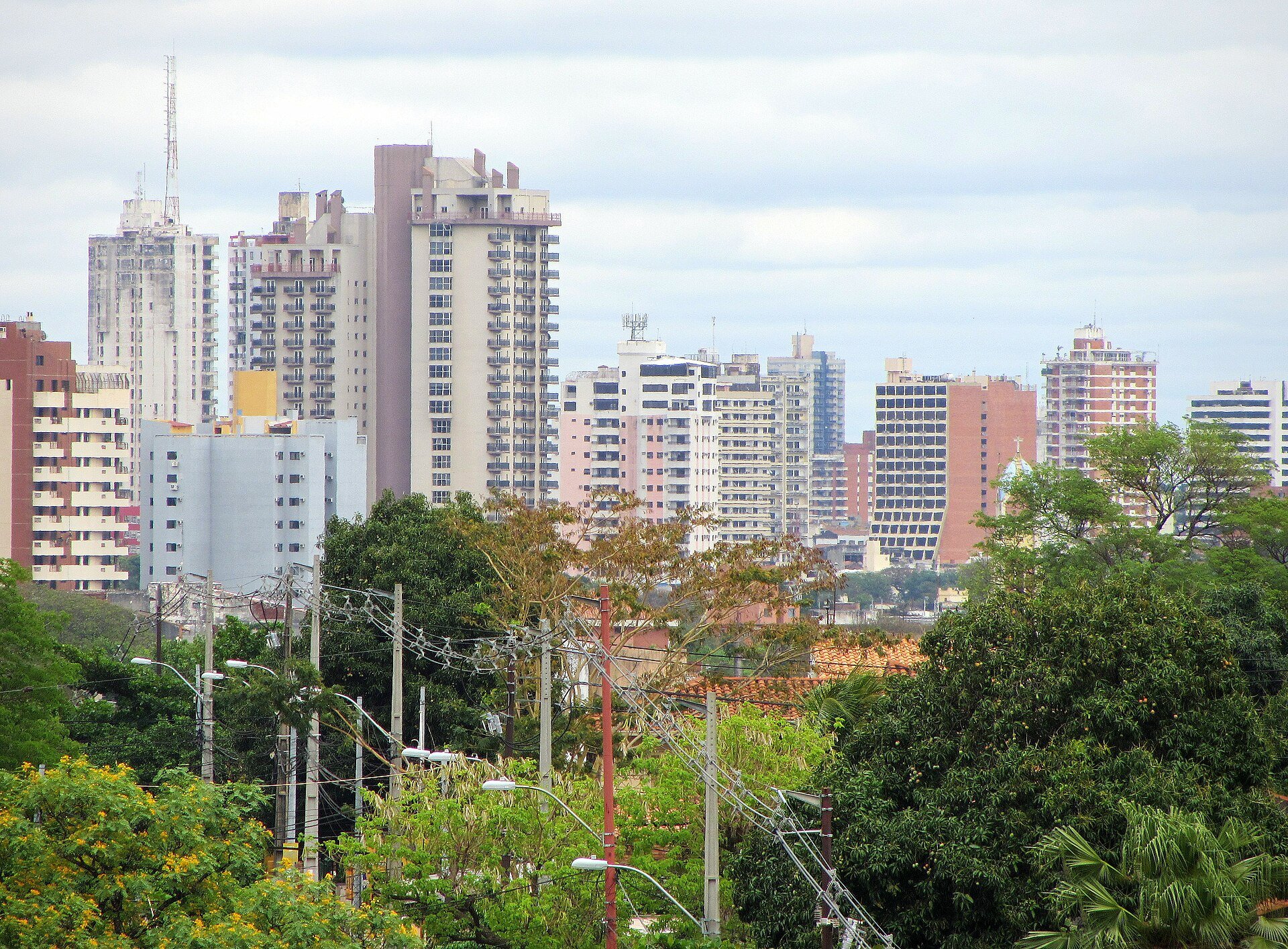
Paraguay residency, long the cheapest legal foothold in South America, now runs on a single economic-solvency test for nearly every applicant. Resolución DNM 407/2026 has applied to every permanent-residency file submitted since 6 July 2026, catching some applicants mid-process. Temporary residency applications are unaffected.
The new rule, in force since July
Paraguay has long topped nearly every list of cheap, low-friction places for a foreigner to gain legal residency. That reputation now comes with heavier paperwork.
Resolución DNM 407/2026 governs how the Dirección Nacional de Migraciones now weighs residency files. Its tighter rules apply to any application submitted from 6 July 2026 onward.
The change landed squarely on people who were already partway through the older process. Some had planned their finances around the looser requirements that came before.
One solvency test for every applicant
The headline shift is the move to a single economic-solvency standard for residency. It now sits at the centre of most applications, whatever the applicant’s profile.
Before the reform, different categories of applicant followed slightly different documentary paths. The new resolution folds those threads into one common financial yardstick.
The DNM has published the twelve solvency categories the resolution defines. They run from professionals, technicians, employees and independent workers to merchants, service providers, digital nomads, property owners, shareholders, farmers and ranchers, religious workers, retirees, dependants and students.
What Paraguay residency now demands
Paraguay residency today turns on convincingly showing that you can support yourself. Applicants must document both their income and enough financial solvency to live.
The bar is meant to prove real, ongoing means rather than a one-off token balance. Officials increasingly want evidence that the money is genuinely and lawfully yours.
That marks a clear shift from the lighter, more forgiving checks of earlier years. The route stays open to newcomers, but the file each one submits is now thicker.
Proving where your money comes from
The clearest new demand is documenting the origin of the income you rely on. A healthy bank balance, on its own, no longer settles the question for officials.
Applicants are now expected to show the actual activity that generates their funds. Pay slips, pension statements or business records can all help build that picture.
This origin-of-income requirement is the part quietly catching many applicants off guard. It rewards those who keep clean, traceable and well-labelled financial records.
Who the categories cover
The unified solvency route is what the great majority of foreign applicants now use. In practice it spans remote workers, investors, retirees and property owners alike.
Paraguay handles these varied profiles through one residency framework, not a spread of separate visas. The exact proof each person files still differs in the detail.
What every applicant now shares is the same core economic-solvency test. The paperwork simply bends to fit the particular source of a person’s income.
Remote workers and the missing nomad visa
Paraguay is genuinely popular with remote workers, yet it offers no dedicated digital-nomad visa. Digital nomads instead travel the same ordinary residency route as everyone else.
In practice that means proving foreign income and its source, exactly like any other applicant. Resolución 407/2026 does give digital nomads their own named solvency category, though that is not the same as a nomad visa.
For location-independent earners, tidy and consistent documentation is the real practical hurdle. Long-running contracts and clear payment histories help make a convincing case.
Retirees and the pension route
Retirees remain one of the core audiences for Paraguayan residency. They typically satisfy the test by showing a pension or another steady retirement income.
The same solvency logic now applies squarely to their residency files. The key is documenting clearly where the pension money actually comes from.
For many retirees the headline cost stays modest by regional standards. The extra effort now falls mostly on the paperwork, not on the price.
The 90-day permanent-residency window
Temporary residency in Paraguay is not meant to be the end of the road. Holders are generally expected to convert it into permanent status over time.
Guides describe a filing window that opens before the temporary card expires. Some say it begins around the 21st month of a standard 24-month term.
The DNM’s window opens 90 days before the card expires and closes 30 days after it. Missing that 120-day window risks a lapse in legal status.
What the fees actually cost
The MERCOSUR temporary residency fee is Gs. 2,341,540 when paid in cash. That is about US$392 at roughly Gs. 5,972 to the dollar in August 2026, after Resolución DNM 478/2026 raised migration fees on 1 July.
Paid by card, the same permit carries a 2.75% surcharge, at about Gs. 2,406,000. That works out to roughly US$403 on the same exchange rate.
Permanent residency runs higher, at Gs. 2,926,925 in cash under the same schedule. In dollar terms that is roughly US$490 at current rates.
The fee against a local wage
Those guaraní figures can look steep until you weigh them against local earnings. Paraguay’s monthly minimum wage rose to Gs. 3,044,000 on 1 July 2026, and the DNM indexes its fees to it.
So a MERCOSUR temporary permit actually costs less than a single month’s minimum wage. Few residency programmes anywhere in the region come noticeably cheaper.
Even the permanent fee, near US$467, still sits below that same monthly wage. Cost, not paperwork, remains Paraguay’s real selling point for would-be residents.
What mid-process applicants should do
Anyone already partway through should assume the new file standard now applies to them. The safest move is to gather income and origin-of-funds documents early.
Those nearing a temporary card’s expiry should watch the 90-day permanent-residency window closely. Filing late can, in the worst case, force an unwelcome fresh start.
None of this closes the door on Paraguay as a low-cost destination. It simply rewards applicants who arrive organised and can clearly show their money’s source.
More: Latin America news in English, every day from The Rio Times.
Frequently Asked Questions
Who qualifies for Paraguay residency now?
Most foreign applicants qualify through a single solvency route. Retirees, remote workers, investors and property owners all use it, with proof scaled to their income.
What is the new income test?
It is a single economic-solvency standard requiring documented income. Applicants must also show the origin of their funds and the activity behind them.
What changed for people mid-process?
Applications filed from 6 July 2026 fall under the tougher solvency rules. People who started earlier may now face heavier documentation than they expected.
How much does Paraguay residency cost?
The MERCOSUR temporary fee is Gs. 2,341,540, about US$392 in cash. Permanent residency costs Gs. 2,926,925, roughly US$490, both below Paraguay’s monthly minimum wage.
Sources: Paraguay’s Dirección Nacional de Migraciones (Resolución DNM 407/2026 and official aranceles migratorios), ABC Color and RSM Paraguay, plus residency guides. Guaraní values converted at about Gs. 5,972 to US$1 (August 2026). Fees per Resolución DNM 478/2026, in force since 1 July 2026; minimum wage per Resolución MTESS 670/2026.
This article was produced by The Rio Times’ automated newsroom system. How we use AI · Report an error
Read More from The Rio Times