Paraguay Bets on Medicinal Herbs to Rewire Its Export Economy
Paraguay is moving to make medicinal herbs a serious part of its export strategy, marking a shift from its traditional dependence on beef, soybeans, and hydroelectric power.
Official figures from the Ministry of Industry and Commerce show a clear upward trend: combined exports of medicinal and pharmaceutical products reached $12.9 million in 2023, up from an annual average of about $3.5 million over the past two decades.
The government sees opportunity in the rising demand for natural health products, both in South America and abroad. Through agencies like REDIEX and the Ministry of Agriculture, Paraguay is tightening certification rules and phytosanitary controls.
These measures aim to ensure its products meet the strict quality and safety standards required in higher-value markets, from the region to Europe and North America.
One company illustrates this transition clearly. Yuko, a Paraguayan herbal extract producer, turns plants traditionally used in local drinks like tereré and mate into ready-to-use liquid extracts.
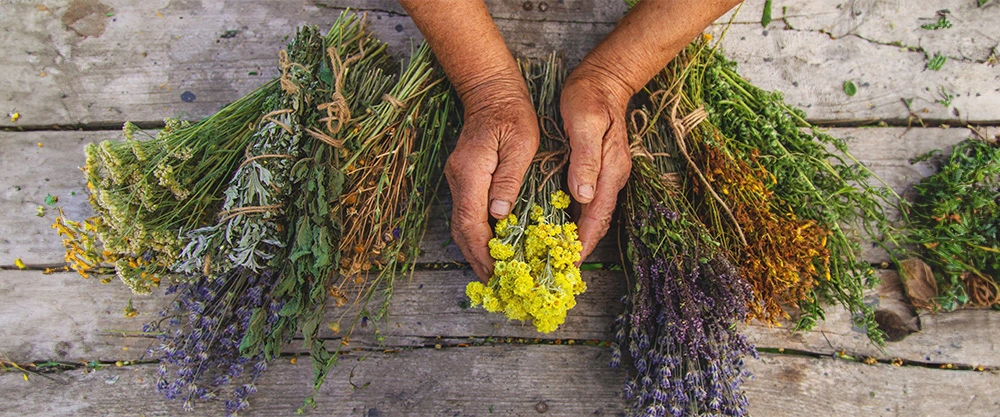
The firm operates its own cultivation fields and laboratory, and it has already tested exports to Spain, Scotland, and New York. Now, backed by government technical and institutional support, Yuko plans regular shipments to Argentina and Uruguay.
These are markets with deep cultural ties and established consumption of herbal infusions. The company also intends to multiply its production capacity tenfold, moving from small trial volumes to an industrial scale.
Paraguay Boosts Herbal Exports to Add Value
The “story behind the story” is that this is more than just Yuko’s growth—it represents a calculated national push to diversify Paraguay’s exports and add value to its agricultural output.
By moving from raw plant sales to processed, packaged, and branded herbal products, the country can capture higher profit margins and create steadier jobs.
This kind of value addition means the benefits filter down to small farmers as well, who gain access to stable buyers and can increase their production under contract.
Independent market forecasts suggest Paraguay’s botanical export sector could grow over 5 percent annually through 2027, outpacing many traditional crops.
For a country long overshadowed by bigger agricultural exporters like Brazil and Argentina, this niche offers a way to compete by specializing in quality and tradition rather than volume alone.
For readers outside Paraguay, the relevance is straightforward: this is a case study in how a smaller exporter can leverage cultural products and modern processing to break into more lucrative markets.
It is also a reminder that global demand for natural remedies creates space for countries with the right mix of resources, know-how, and targeted trade policy.
In Paraguay’s case, medicinal herbs are not replacing the economic pillars, but they might become one of the tools to strengthen and balance them.
Key Facts
— Deep Dive
— For the complete picture, read our in-depth guide: Paraguay: Washington's Most Valued Ally in Latin America
More: Latin America news in English, every day from The Rio Times.
This article was produced by The Rio Times’ automated newsroom system. How we use AI · Report an error
Read More from The Rio Times