Federal Reserve Raises Rates to 4% in Its First Increase Since 2023
United States · Markets
Key Facts
- —What happened The US central bank raised its main interest rate by a quarter of a percentage point.
- —The new level A target range of 3.75 to 4 percent, up from 3.5 to 3.75 percent.
- —Why it is unusual It is the first increase since July 2023, after six cuts in between.
- —How the vote went Unanimous, twelve to nothing, with no dissent recorded in the statement.
- —The catch The new rate takes effect on Thursday, and policymakers signal one more rise this year.
- —What it means here A stronger dollar pressures the real and the peso and raises the cost of borrowing.
Three years of falling American interest rates ended at two o’clock on a Wednesday afternoon in Washington. The decision was unanimous, the language was blunt, and the dollar rose against every currency in Latin America.
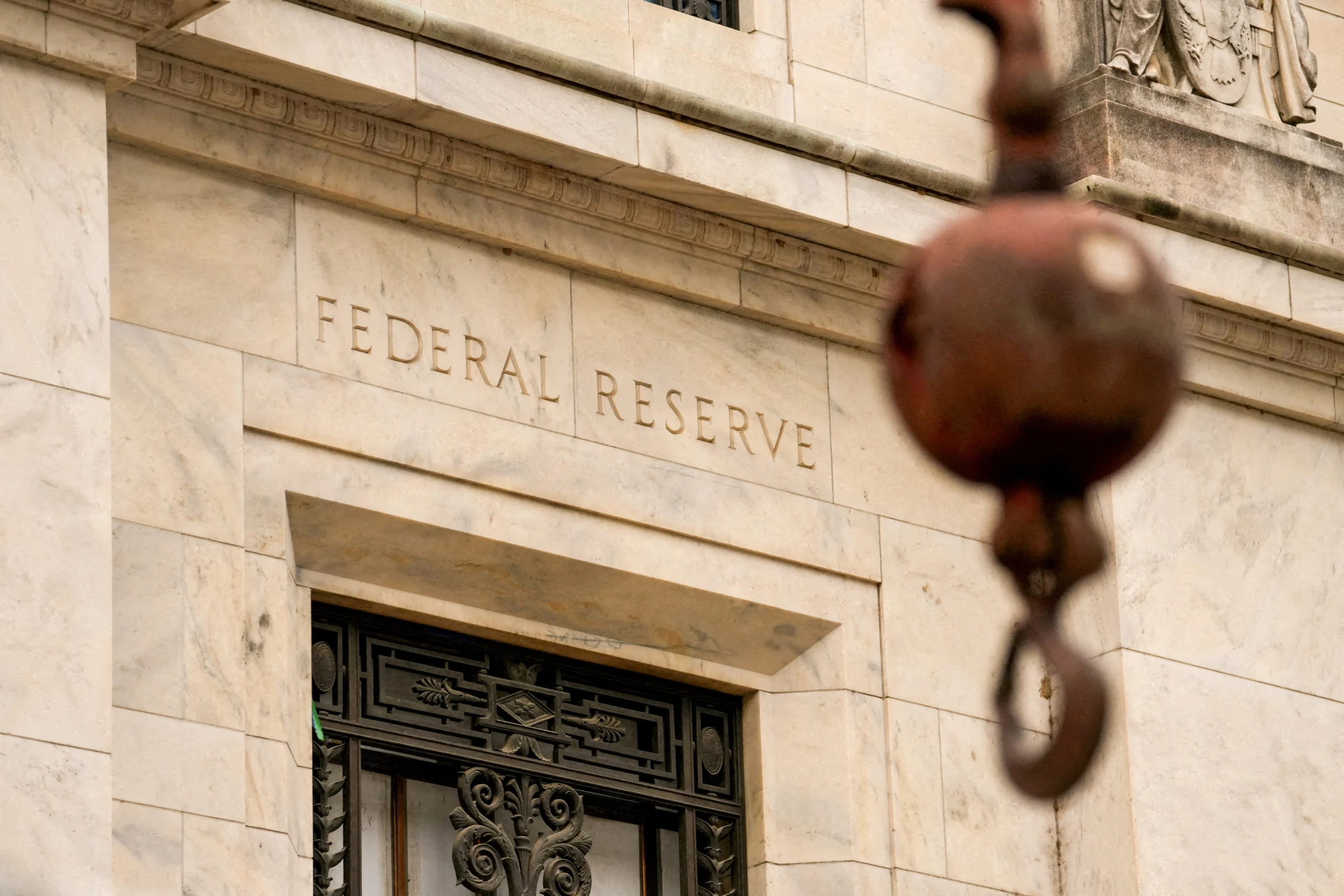
The Federal Reserve raised American interest rates on Wednesday afternoon in Washington. It is the first increase in more than three years.
The target range moves up by a quarter of a percentage point, to between 3.75 and 4 percent. The new level applies from Thursday.
The vote was twelve to nothing. Nobody dissented, which is a change from July, when three members wanted exactly this increase and were outvoted.
What the Statement Said
The text ran to three short paragraphs and contained no guidance about what comes next. That absence is deliberate.
Inflation remains elevated, the committee wrote, and the decision will support a timelier return to its 2 percent goal. It closed with a flat sentence: the committee will deliver price stability.
On the economy it was more comfortable. Activity is expanding at a solid pace, it said, job gains have kept pace with the workforce and unemployment has changed little.
Kevin Warsh, who took over as chair this year, was blunter at the press conference. The plain fact, he said, is that inflation is too high and has been for too long.
He also rejected the idea that policy had been tight. He said he would be hard pressed to describe financial conditions as restrictive, so the committee removed a dose of accommodation.
The Projections Matter More Than the Quarter Point
Alongside the decision, each policymaker published where they expect rates to end up. The median of those projections now sits at 4.1 percent for the end of this year.
In June the same median was 3.8 percent. The shift implies one further increase before December, on the committee’s own numbers.
For the end of 2027 the median is also 4.1 percent. That points to a long hold rather than a quick reversal.
The inflation forecast explains the change of mind. The median expects prices to rise 3.7 percent this year on the measure policymakers watch most closely.
Why Three Years of Cuts Came First
The last American rate increase before this one was in July 2023. Rates peaked then at 5.25 to 5.5 percent.
Six cuts followed, worth 1.75 percentage points in total. The last of them came in December of last year.
One detail is worth keeping straight. This is not a record level: the same range applied between October and December of last year.
What It Did to Latin American Markets
The dollar rose broadly. The index that measures it against a basket of major currencies was up about 0.7 percent in the hours after the announcement.
The Mexican peso gave up roughly the same amount, trading around 17.25 to the dollar. Mexico’s own stock exchange was shut all day for Independence Day, so there was no share reaction to read.
American shares reversed. A brief rally turned into a decline of about three quarters of a percent as the press conference went on.
Government borrowing costs went the other way. The ten-year Treasury yield traded either side of 5 percent and touched its highest level in a year.
The Half of the Day Still to Come
Brazil’s own rate-setting committee met on the same two days and announces in the Brasília evening. At the time of writing the central bank’s published Selic target was still 14 percent.
Economists surveyed by the central bank expect a cut of a quarter point. Bloomberg’s survey of analysts points the same way.
If that happens, the two central banks will have moved in opposite directions within a few hours. That is rare, and it is the part that matters for anyone holding reais.
The mechanism is simple. A higher American rate and a lower Brazilian one narrow the extra return investors get for taking Brazilian risk.
Analysts quoted by Bloomberg Línea singled out the real and the Mexican peso as the most exposed currencies in the region. Both carry large rate gaps and crowded positioning.
For a foreigner earning dollars in Brazil, the arithmetic has just improved slightly. For anyone paid in reais who buys imported goods, it has done the opposite.
More: Business and economy coverage, every day from The Rio Times.
Frequently Asked Questions
What exactly did the Federal Reserve change?
It raised the target range for the federal funds rate by a quarter of a percentage point, from 3.5 to 3.75 percent up to 3.75 to 4 percent. The interest it pays banks on reserves rose to 3.9 percent and the discount rate to 4 percent. All of it takes effect on Thursday 17 September 2026.
Why does a US rate decision matter in Latin America?
Higher American rates make dollar assets more attractive, which pulls money out of emerging markets and strengthens the dollar against currencies like the Brazilian real, the Mexican peso and the Chilean peso. That raises import costs and the local-currency cost of dollar debt, and it limits how far regional central banks can cut their own rates.
Did anyone on the committee disagree?
No. The statement records a twelve to nothing vote with no dissent. That is a shift from the July meeting, when the committee held rates on a nine to three vote and the three dissenters all wanted a quarter-point increase. They got it this time, and the rest of the committee joined them.
Is Brazil raising rates too?
No. Brazil has been cutting since March, from a peak of 15 percent down to 14 percent, and economists surveyed by its central bank expected another quarter-point cut at the meeting that ends on Wednesday evening in Brasília. Brazilian inflation has been easing while American inflation has picked up, which is why the two are moving apart.
Sources: Federal Reserve statement of 16 September 2026, Federal Reserve implementation note, Summary of Economic Projections, 16 September 2026, Preliminary transcript of the chair’s opening statement, Federal Reserve open market operations history, Banco Central do Brasil, Selic target series 432
This article was produced by The Rio Times’ automated newsroom system. How we use AI · Report an error
Read More from The Rio Times