The Race to Build Panama’s Next Canal Ports Reaches a Milestone
Trade
Key Facts
—The step. On 9 July the Panama Canal Authority closed the window for companies to submit prequalification documents for two new terminals.
—The terminals. Corozal sits on the Pacific side and Telfers on the Atlantic; together they carry an estimated price tag of about $2.6bn.
—The gain. They would lift Panama’s container-handling capacity from about 9.5 million to roughly 15 million standard boxes a year.
—The bar. Bidders must show eight years of experience, six terminals run last year, and six million boxes handled in the most recent year.
—The rule. No single operator may hold both terminals plus a planned pipeline, a deliberate curb on concentration.
The contest to build the next Panama Canal terminals has cleared its first hurdle. It now moves from paperwork into the phase where the field actually narrows.
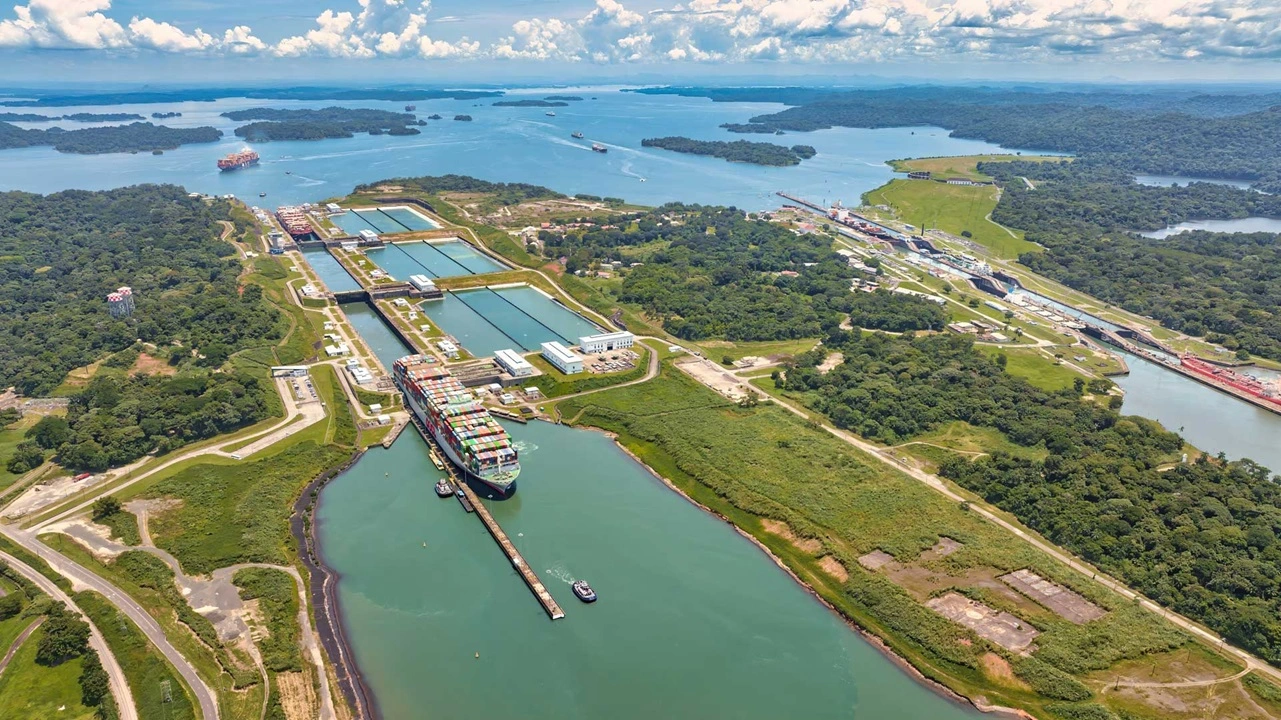
On the ninth of July, the Panama Canal Authority closed the period for interested companies to file prequalification documents for two container terminals. It is a procedural milestone, but a real one.
The two sites are Corozal, on the Pacific entrance to the canal, and Telfers, on the Atlantic. Building both is estimated to cost around two and a half billion dollars.
Why the Panama Canal terminals matter
Panama’s pitch to the world is that it is a hub, not just a passage. Ships do not only transit the canal; they swap containers there between vessels, and that transshipment business is what the new terminals are meant to grow.
The numbers show the ambition. The two terminals would raise capacity from about nine and a half million standard boxes a year to roughly fifteen million.
The authority argues the expansion is defensive as much as offensive. Panama’s existing canal-side ports are near capacity, and rival corridors in Mexico and elsewhere are courting the same cargo.
Mexico’s Tehuantepec land corridor and a proposed route through Guatemala are the examples officials name most often. The worry is not that a rail line replaces the canal, but that it skims off the marginal cargo that makes the hub lucrative.
The terminals are the commercial centrepiece of a wider modernisation plan worth about eight and a half billion dollars. That plan also includes an interoceanic pipeline and a new reservoir to secure the canal’s water supply.
How is the Panama Canal terminals contest being run?
Carefully, and with lessons clearly drawn from a bruising recent dispute. The prequalification stage is a straight pass or fail, so every applicant that clears a high bar advances, rather than being cut to a shortlist.
That bar is steep. Applicants must show at least eight years as a terminal operator, six terminals run in the past year, and six million boxes handled in their most recent year.
One design choice stands out. The rules bar any single operator from holding both new terminals and the separate pipeline, an explicit attempt to spread the corridor across several distinct companies.
The shadow over the process
This tender does not take place in calm waters. Earlier this year Panama’s Supreme Court voided a decades-old concession held by a Hong Kong company for two other canal-side ports, at Balboa and Cristóbal.
That ruling derailed a proposed sale of those ports to a group led by the American investor BlackRock and the shipping line MSC, a deal Beijing moved to block. Interim operation passed to units of Maersk and MSC.
The canal chief has insisted the fight over the old ports has not interrupted the tender for the new ones. Companies from Europe, the Americas, China and the region may bid on equal terms, though our reporting has shown that state-linked Chinese port operators have been lining up for the tender, turning a technical port project into a test of how far Beijing can expand inside the Western Hemisphere.
The cross-concession rule reads, in that light, as insurance. Having watched two gateway ports become a geopolitical flashpoint, the authority is designing the new ones so that no single operator can dominate them.
There is a candour behind the whole exercise worth noting. The canal runs ships, power plants and water systems, but it has never run a port itself, which is why it has set the operator bar so high and leaned on outside expertise.
More: Panama news in English, every day from The Rio Times.
Frequently Asked Questions
When did prequalification for the new terminals close?
On the ninth of July, the Panama Canal Authority closed the period for companies to file prequalification documents. It covers two new container terminals.
Where are the two terminals and what do they cost?
Corozal sits on the Pacific entrance and Telfers on the Atlantic. Building both is estimated at around two and a half billion dollars.
What must a bidder prove to qualify?
Applicants must show at least eight years as a terminal operator. They must also have run six terminals in the past year and handled six million boxes in their most recent year.
What happens next, and why should an investor care?
Prequalified bidders now enter one-on-one talks with the authority to settle the final terms. A contract award is targeted for around 2027, with the terminals due to open in 2029 under twenty-year concessions.
Who will oversee the programme?
The current canal administrator is Ricaurte Vásquez. She inherits the whole programme, which will shape service reliability and cost across the Americas for a decade.
Connected Coverage
Chinese Bidders, US Pressure and New Panama Canal Ports
Panama Canal’s Next Expansion: An $8.5 Billion Bet
A War Far Away Is Making the Panama Canal Richer Than Expected
This article was produced by The Rio Times’ automated newsroom system. How we use AI · Report an error · Editorial responsibility: Matthias Camenzind, Editor-in-Chief
LatAm Markets: Live Signals → — real-time movers, turnover leaders and FX across Latin America.