Nigeria Labour Congress Demands Wage Awards as Petrol Passes US$1 a Litre
NIGERIA · ECONOMY
Key Facts
- —What happened The Nigeria Labour Congress issued a statement on 16 September calling for government action on wages and fuel.
- —Who said it Joe Ajaero, president of the Nigeria Labour Congress, Nigeria’s largest union federation.
- —The three demands Reasonable wage awards, sufficient crude sold in naira to local refineries, and expanded national storage capacity.
- —What petrol costs Abuja pumps moved to between about US$1.05 and US$1.08 a litre in mid-September.
- —The trigger The Dangote refinery raised its gantry price by about six percent with effect from 12 September 2026.
- —What is not stated The federation set no deadline and announced no industrial action.
Three demands, one of them about storage, from a union federation that has stopped asking for fuel subsidies.
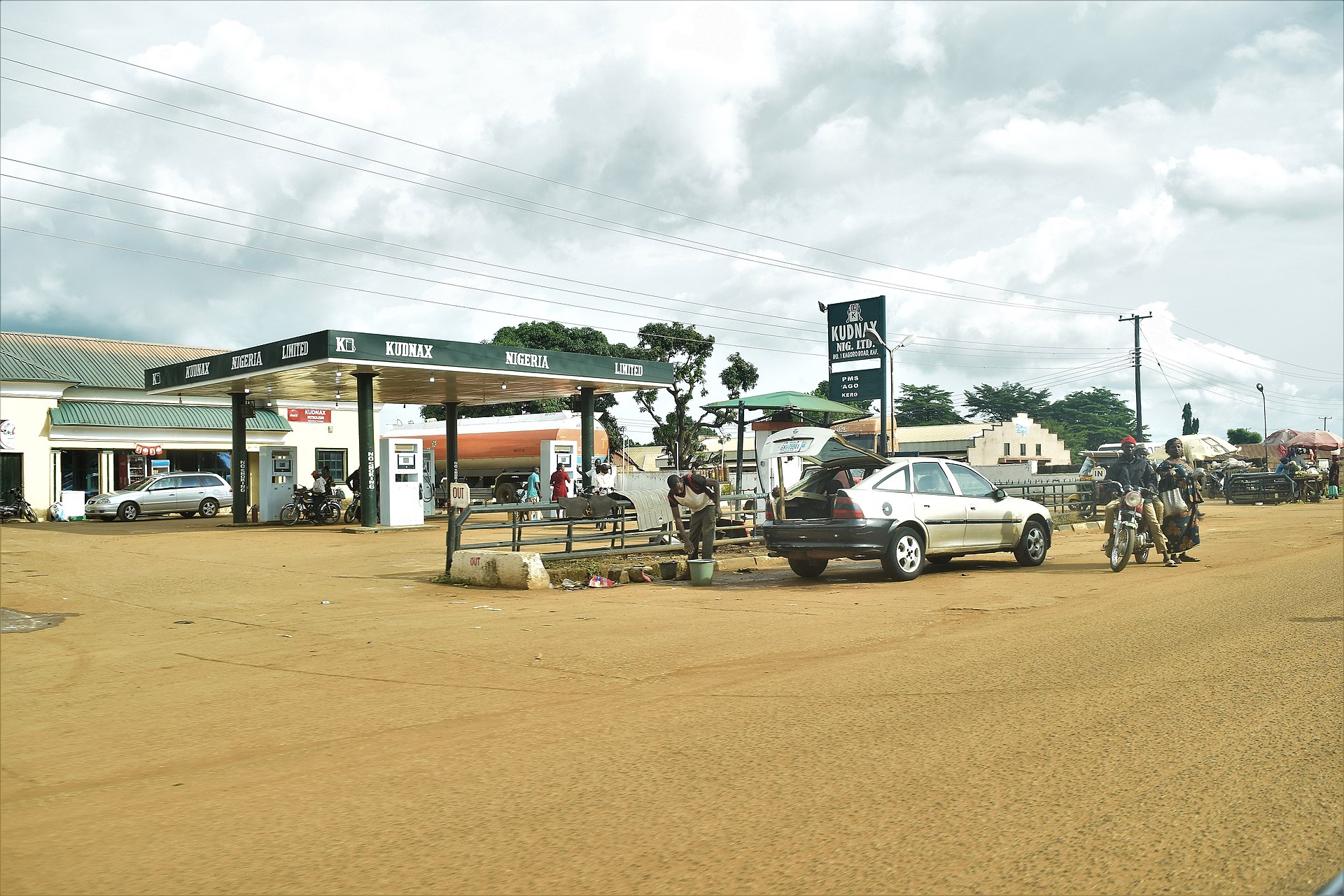
The Nigeria Labour Congress has called on the federal government to act on wages and fuel supply after another round of petrol price rises. Its president Joe Ajaero issued the statement, titled Save the Situation Now, on 16 September 2026.
What the Union Federation Asked For
The Nigeria Labour Congress made three specific demands. It asked for reasonable wage awards for workers.
It also asked the government to sell sufficient crude oil in naira to local refineries. Its third demand was expanded national storage capacity.
The naira is Nigeria’s currency, and selling crude in it rather than dollars lowers the input cost for domestic refiners. The storage demand concerns strategic reserves that would cushion supply shocks.
What Changed at the Pump
The Dangote refinery raised its gantry price by about six percent with effect from 12 September 2026. The gantry price is what a refinery charges distributors who collect fuel at its gate.
The move took that price to roughly US$1.02 a litre. Pump prices sit above it once transport and margins are added.
Pump prices followed within days. Abuja outlets run by the national oil company and by NIPCO moved to between about US$1.05 and US$1.08 a litre.
The Same Range in Lagos
Lagos pump prices settled in a similar band in mid-September. MRS stations were at the lower end of it.
The spread between cities has narrowed as domestic refining has replaced imports. That is a structural change rather than a weekly fluctuation.
Why the Federation Is Not Asking for a Subsidy
Nigeria ended its petrol subsidy regime under President Bola Tinubu, and the federation is not asking for it back. Its demands are about wages, refinery inputs and reserves instead.
That is a meaningful shift in position. A union federation arguing over crude pricing in naira is arguing about industrial policy rather than about consumer prices.
What a Wage Award Would Mean
A wage award is a payment on top of existing salaries, usually temporary, used to offset a cost-of-living shock. Nigeria has used the instrument before.
The federation did not name a figure or a timeframe. Without those, the demand sets a direction rather than a negotiating position.
Who Carries the Cost
For a Nigerian household with a car or a generator, a six percent move at the gantry is felt within the week. Transport fares usually follow pump prices closely.
For businesses running diesel generators, the same input cost shows up in the price of almost everything else. That is the transmission channel the federation is pointing at.
The Storage Demand Deserves Attention
Expanded national storage capacity is the least discussed of the three demands and arguably the most consequential. A country with thin reserves has to buy at whatever the market charges on the day.
Building storage is slow and capital-intensive. It is also the only one of the three demands that would still matter after this price cycle passes.
What Is Not Yet Known
The federation set no deadline and did not threaten industrial action. Nor has the government responded publicly to the three demands.
It is also unclear whether any wage award would apply beyond federal employees. Nigeria’s states set their own pay, and many are in arrears.
What to Watch
Whether the presidency or the labour ministry responds with a specific wage proposal. A number would turn this from a statement into a negotiation.
Watch also for the next Dangote gantry adjustment. That price, rather than any policy announcement, is what moves pumps now.
More: Africa news and analysis, every day from The Rio Times.
Frequently Asked Questions
What did the Nigeria Labour Congress demand?
Reasonable wage awards, sufficient crude sold in naira to local refineries, and expanded national storage capacity.
Who issued the statement?
Joe Ajaero, president of the Nigeria Labour Congress, on 16 September 2026.
What is petrol costing in Abuja?
Between about US$1.05 and US$1.08 a litre at national oil company and NIPCO outlets in mid-September.
What triggered the rise?
The Dangote refinery raised its gantry price by about six percent with effect from 12 September 2026.
Is the federation asking for a fuel subsidy?
No. Its demands concern wages, crude pricing for local refineries and storage capacity.
Has a strike been called?
No. The statement set no deadline and announced no industrial action.
Sources: Nigeria Labour Congress statement of 16 September 2026; Nigerian press reporting on Dangote gantry pricing and station prices, 12 to 17 September 2026; exchange rate from open.er-api.com, 17 September 2026.
This article was produced by The Rio Times’ automated newsroom system. How we use AI · Report an error
LatAm Markets: Live Signals → — real-time movers, turnover leaders and FX across Latin America.
Read More from The Rio Times