
NIGERIA · MARKETS
Key Facts
- —The country Nigeria is Africa’s most populous nation and a major oil exporter. Its currency is the naira.
- —What happened On Thursday 15 October, Nigeria’s National Bureau of Statistics said annual inflation slowed to 14.63% in September, the fourth straight monthly decline.
- —The numbers Inflation was 15.39% in August and 20.98% in September 2025; prices rose 0.06% from August, against 0.71% a month earlier.
- —Food and core Food inflation was 19.59% a year on; food prices fell 1.55% in the month, while core prices rose 1.11%.
- —The policy rate The central bank lowered its benchmark rate to 23% from 26.5% on Tuesday 22 September, and meets next on 23 and 24 November.
- —The naira The naira traded near 1,332 to the US dollar on 15 October, a market rate, close to the 1,333 recorded on 14 October.
- —Still open Whether the central bank cuts again in November, and whether the 1.11% monthly rise in core prices lasts.
Nigeria September inflation fell to 14.63% a year on, the lowest reading since the statistics office rebuilt its price index in January 2025. The National Bureau of Statistics, the government agency that compiles Nigeria’s official price data, published the figure on Thursday 15 October.
For US investors in Nigerian bonds, the naira or West African oil, slower price growth makes the recent interest-rate cut easier to defend. Yet the details show food prices falling while prices outside food and energy rose faster.
What the Statistics Office Reported
Nigeria September inflation, the rise in prices over 12 months, slowed to 14.63% from 15.39% in August, the National Bureau of Statistics said. A year earlier, in September 2025, it stood at 20.98%.
Prices rose just 0.06% from August to September, down from a 0.71% monthly rise in August, BusinessDay and Nairametrics reported from the bureau’s release. BusinessDay called it the fourth consecutive monthly slowdown and the lowest rate since the bureau changed its method in January 2025.
Annual inflation was 15.93% in May, 15.91% in June and 15.43% in July, according to earlier bureau releases. BusinessDay had forecast about 15.5% ahead of the release, which would have been a rise.
Food Prices Fall While Core Prices Climb
Food prices fell 1.55% from August to September, after rising 1.02% the month before. Cheaper rice, onions, palm oil, tomatoes, plantain and eggs drove the drop.
Over 12 months, food inflation stood at 19.59%, still well above the headline rate. Core inflation, which leaves out farm produce and energy, was 12.95%, down from 13.29% in August.
Yet core prices rose 1.11% in the month alone, after a 0.06% fall in August. That is a sign of pressure outside food and fuel in the Nigeria September inflation data.
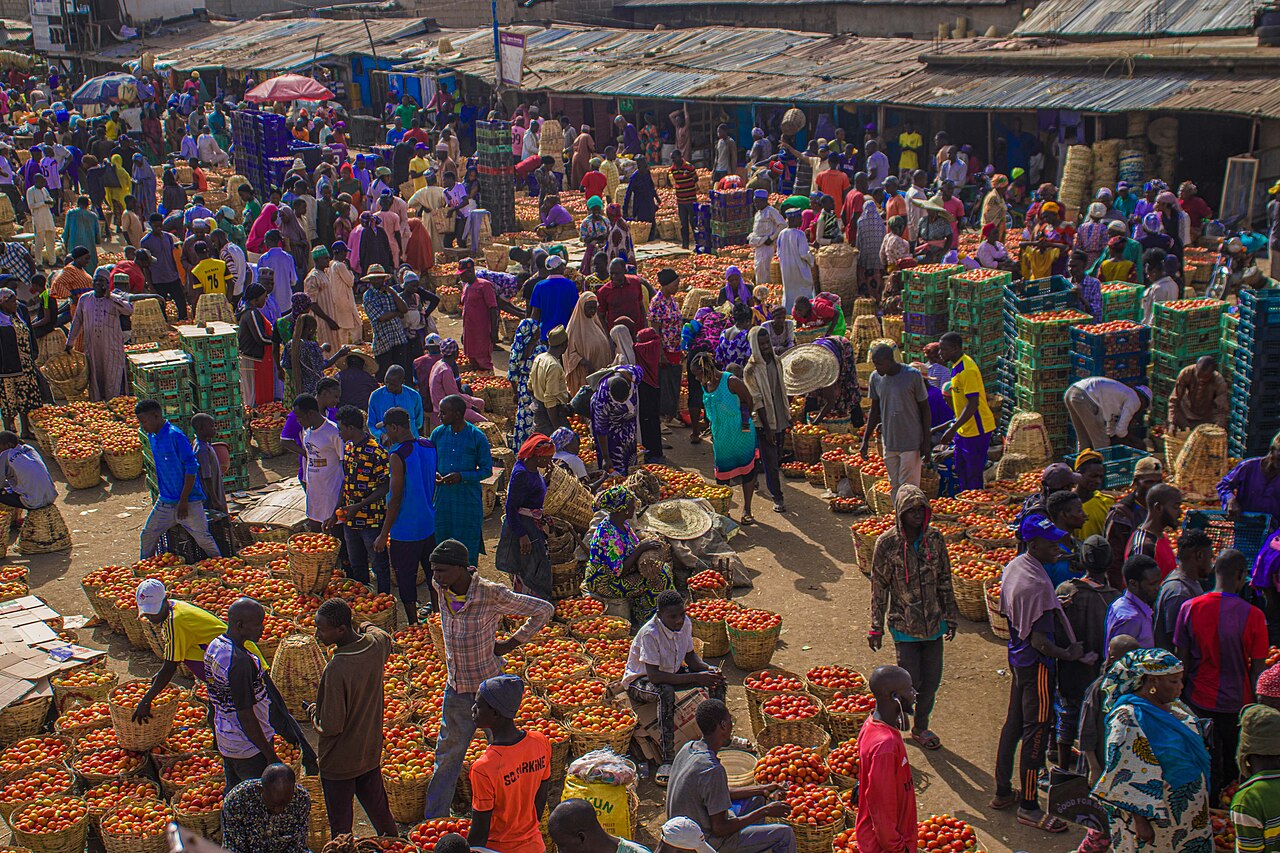
Where Prices Rose and Fell Across Nigeria
Urban inflation was 15.64% a year on, while rural inflation was 12.46%, and rural prices fell 0.89% in the month. Imo state had the highest annual rate at 30.04%, and Taraba state the lowest at 1.78%.
Food and non-alcoholic drinks added 5.85 percentage points to the headline rate, ahead of restaurants and hotels at 1.89 points and transport at 1.56 points. Energy prices rose 5.38% in the month and 10.85% on the year, BusinessDay reported.
What the Central Bank Does Next
The Central Bank of Nigeria, led by Governor Olayemi Cardoso, lowered its benchmark rate to 23% from 26.5% on Tuesday 22 September. Cardoso called the 3.5-point move a reset to match market rates, not a change of stance.
The bank’s next rate meeting is on Monday 23 and Tuesday 24 November, according to its published calendar. Earlier meetings this year fell in February, May, July and September.
What It Means for US Readers
Investors in naira bonds or Nigerian dollar bonds watch inflation because it shapes central bank rates, the naira and government debt costs. At about 1,332 naira to the US dollar (market rate on 15 October), the currency has held close to its level of the previous day.
Slower price growth helps firms that sell goods in Nigeria, from fuel to consumer brands, because household costs rise more slowly. Nigeria’s public debt, which the Rio Times covered on 12 October, makes steady prices and a steady naira matter for dollar bondholders.
Why the Rebased Index Matters
The bureau now measures prices against a 2024 base year with updated household spending weights, so readings differ from figures before January 2025. The 14.63% compares September’s prices with those of September 2025, not with the cost of living at the start of this year.
The Rio Times set out the figures to watch in its preview of the September release and its earlier look at the 15 October date. Both set out the August reading of 15.39% that September improved on.
What Is Not Known
The central bank has not said whether it will cut again at its meeting on 23 and 24 November. Nor is it clear whether the 1.11% monthly rise in core prices is a one-off or the start of a trend.
Food prices could rebound if transport and fuel costs keep climbing, since energy prices rose 5.38% in September. It is also open how far Nigeria September inflation will shape the central bank’s view of how low rates can go.
More: Nigeria news in English, every day from The Rio Times.
Frequently Asked Questions
What is Nigeria’s inflation rate for September?
Nigeria September inflation was 14.63% a year on, down from 15.39% in August, the National Bureau of Statistics said. It was the fourth straight monthly decline.
Did food prices fall in September?
Yes, food prices fell 1.55% from August to September, with cheaper rice, onions, palm oil, tomatoes and eggs. Food inflation over 12 months was still 19.59%.
What is Nigeria’s central bank interest rate?
The Central Bank of Nigeria set its benchmark rate at 23% on 22 September, down from 26.5%. Its next meeting is on 23 and 24 November.
How much is the naira worth against the US dollar?
The naira traded near 1,332 to the US dollar on 15 October, a market rate. The 14 October rate on the official foreign-exchange market was about 1,333.
Why does Nigerian inflation matter to US investors?
Nigeria September inflation shapes central bank rates, the naira and government debt costs, which affect returns on Nigerian bonds. It also touches US companies that sell goods in Nigeria.
Sources: Nairametrics, 15 October 2026; BusinessDay, 15 October 2026; BusinessDay, September inflation details, 15 October 2026; Central Bank of Nigeria, MPC decisions, 22 September 2026; Central Bank of Nigeria, MPC calendar 2026, 15 October 2026; Nairametrics, CBN MPR decision, 22 September 2026; Nairametrics, August inflation, 15 September 2026.
This article was produced by The Rio Times’ automated newsroom system. How we use AI · Report an error · Editorial responsibility: Matthias Camenzind, Editor-in-Chief
LatAm Markets: Live Signals → — real-time movers, turnover leaders and FX across Latin America.