Nigeria Bond Auction Allots US$563 Million at Lower Rates
NIGERIA · DEBT
Key Facts
- —What happened Nigeria’s Debt Management Office held its September bond auction on Monday 14 September 2026.
- —What it sold Two instruments: a new ten-year bond maturing September 2036, and a reopening of the bond maturing June 2038.
- —How much was allotted ₦748.64 billion competitively, about US$563 million at the official window rate of ₦1,329.50 to the dollar.
- —What it cost the government 16.79% on the new ten-year and 16.85% on the reopening.
- —Why that matters The comparable bond cleared at 17.79% in August. Borrowing got cheaper by almost a full percentage point in a month.
- —What to be careful about Reported subscription fell 13.5% in naira terms, but September offered two bonds against August’s three.
Nigeria borrowed for ten years at 16.79% this week. A month ago the same government was paying almost a point more.
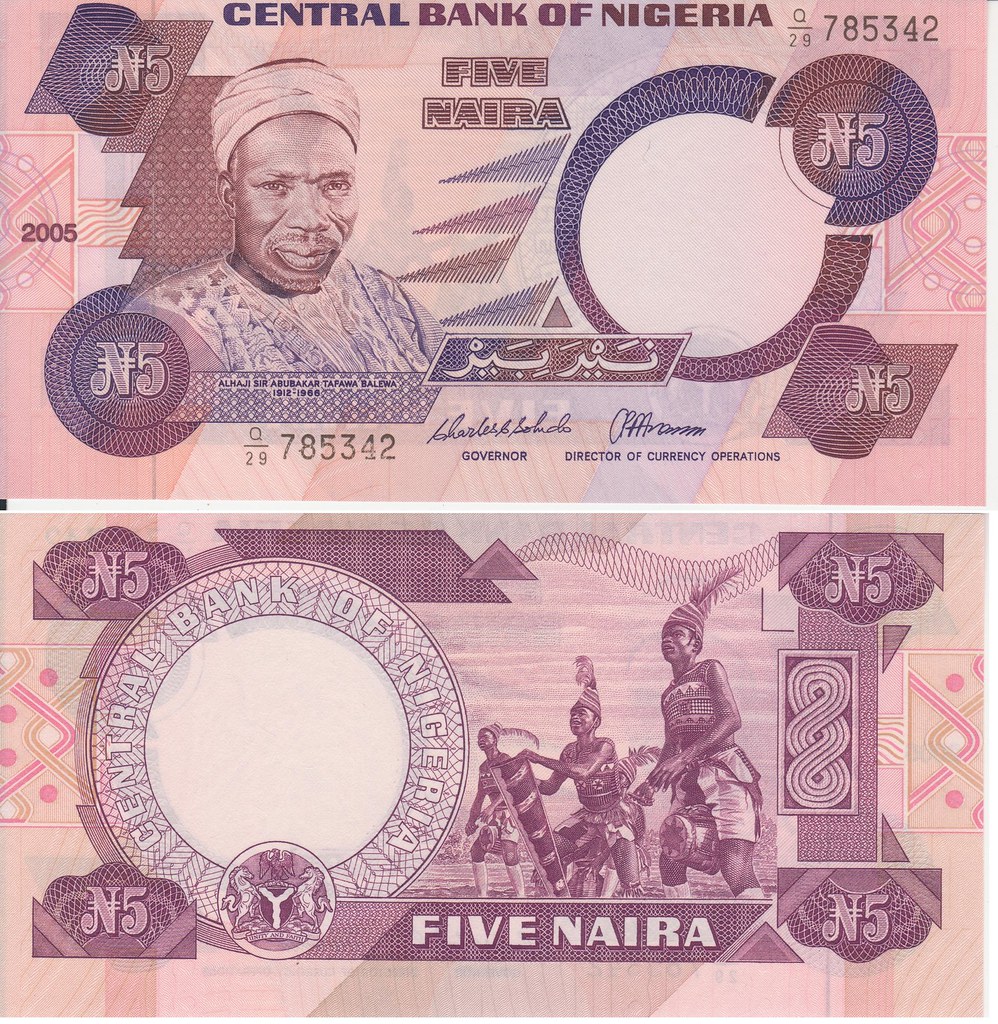
Nigeria’s Debt Management Office allotted ₦748.64 billion of federal government bonds competitively at its auction on 14 September 2026. Both instruments cleared below the rates paid in August.
The Auction
The DMO offered ₦1.0 trillion, about US$752 million, across two instruments.
A new 16.79% bond maturing September 2036 was offered at ₦400 billion. It attracted ₦546.90 billion of bids and ₦288.63 billion was allotted, some US$217 million.
A reopening of the 15.45% bond maturing June 2038 was offered at ₦600 billion. It drew ₦947.83 billion and ₦460.01 billion was allotted, about US$346 million.
Total subscription was ₦1.4947 trillion, roughly US$1.12 billion, from 441 bids of which 204 succeeded.
Rates Came Down
The new ten-year cleared at a marginal 16.79%.
The June 2038 reopening cleared at 16.85%, against 17.79% for the same instrument in August. That is a fall of 94 basis points.
The June 2038 comparison is the only true like-for-like in the auction, because the September 2036 bond is new.
August’s other two instruments cleared at 17.15% and 17.19%, so the direction is consistent across the curve.
The Subscription Figure Needs Care
Reports have put September subscription 13.5% below August, ₦1.4947 trillion against ₦1.7274 trillion.
The arithmetic is right. The comparison is not straightforward.
August offered three reopened bonds totalling ₦1.1 trillion. September offered two totalling ₦1.0 trillion.
Measured against what was offered, cover was 1.57 times in August and 1.49 times in September. That is a softening of about five per cent, not thirteen.
The DMO Chose to Take Less
Bids came to ₦1.49 trillion against a ₦748.64 billion competitive allotment. The office rejected more than half of what was offered to it.
An issuer that rejects bids is declining to pay the rates those bidders wanted.
That is issuer discipline, and it is the most direct reason the clearing rates fell.
Reports also describe an additional non-competitive allotment of ₦850 billion, about US$639 million. That would put total September issuance close to ₦1.6 trillion, though not every outlet carries the figure.
Why Nigerian Yields Are Falling
Nigeria ran headline inflation above 30% through 2024 and has been bringing it down since.
The central bank has been able to ease as price pressure receded, and bond yields follow the policy rate with a lag.
Pension funds and banks with naira to place have few alternatives to federal government paper.
A cheaper cost of borrowing lowers the interest bill that consumes a large share of federal revenue.
What It Means
For the government, borrowing 94 basis points cheaper on a long bond is real money over seven and twelve years.
For pension savers, whose funds hold much of this paper, falling yields mean lower future returns on new money.
For companies borrowing in naira, government yields set the floor under corporate rates, so the fall reaches them too.
For foreign investors, the question is whether the naira holds. A 16.79% yield in a currency that depreciates faster than that is not a return.
What to Watch
The fourth-quarter issuance calendar, which the DMO publishes and which is now the live document.
The next inflation print, which determines whether yields keep falling.
The naira at the official window, quoted at ₦1,329.50 on 15 September.
And the monetary policy committee, whose decisions the bond market prices ahead of.
More: Africa news and analysis, every day from The Rio Times.
Frequently Asked Questions
What did Nigeria sell?
A new ten-year bond maturing September 2036 and a reopening of the June 2038 bond, at auction on 14 September 2026.
How much was allotted?
₦748.64 billion competitively, about US$563 million, from ₦1.4947 trillion of bids.
What rates did they clear at?
16.79% on the new ten-year and 16.85% on the reopening, against 17.79% for the same June 2038 bond in August.
Did demand fall?
Subscription was 13.5% lower in naira terms, but September offered two bonds against August’s three. Cover against the offer softened by about five per cent.
Why did rates come down?
The DMO rejected more than half the bids rather than pay higher rates, and Nigerian inflation has been easing.
Who buys these bonds?
Mainly Nigerian pension funds, banks and asset managers.
Sources: Debt Management Office of Nigeria, Nairametrics, Leadership, THISDAY, dmarketforces, Arbiterz.
This article was produced by The Rio Times’ automated newsroom system. How we use AI · Report an error
LatAm Markets: Live Signals → — real-time movers, turnover leaders and FX across Latin America.
Read More from The Rio Times