Nigeria Plans 24-Hour Power for Lagos, Abuja and Kano Business Hubs
Nigeria · ENERGY
Key Facts
- —The country Nigeria is Africa’s most populous nation, with about 238 million people. Its economy, roughly US$290 billion in 2025 by IMF estimates, is close to the size of Greece’s.
- —Why it matters Unreliable grid power is one of the biggest costs of doing business in Nigeria. Many firms and households run diesel or petrol generators for hours each day.
- —Why now On Wednesday, 30 September 2026, the power minister met private electricity distributors. He argued the weakest link is now delivery to customers, not only generation.
- —What happened Power Minister Joseph Tegbe proposed Energy Zones for 24-hour supply around Lagos, Abuja–Kaduna–Kano and Enugu–Port Harcourt, his office said on 30 September.
- —The numbers Regulator data show distributors collected about US$1.75 billion in 2025 against power worth about US$2.77 billion. The gap is roughly US$1.02 billion.
- —What it means for you Businesses in these cities could eventually get steadier supply. For now, anyone living, investing or operating in Nigeria should still budget for backup power.
- —Still open No timetable, capacity target, cost or funding source has been announced. It is also unclear how the zones would be priced.
Nigeria wants round-the-clock electricity in its busiest business hubs, but the plan has no date, budget or capacity target yet.
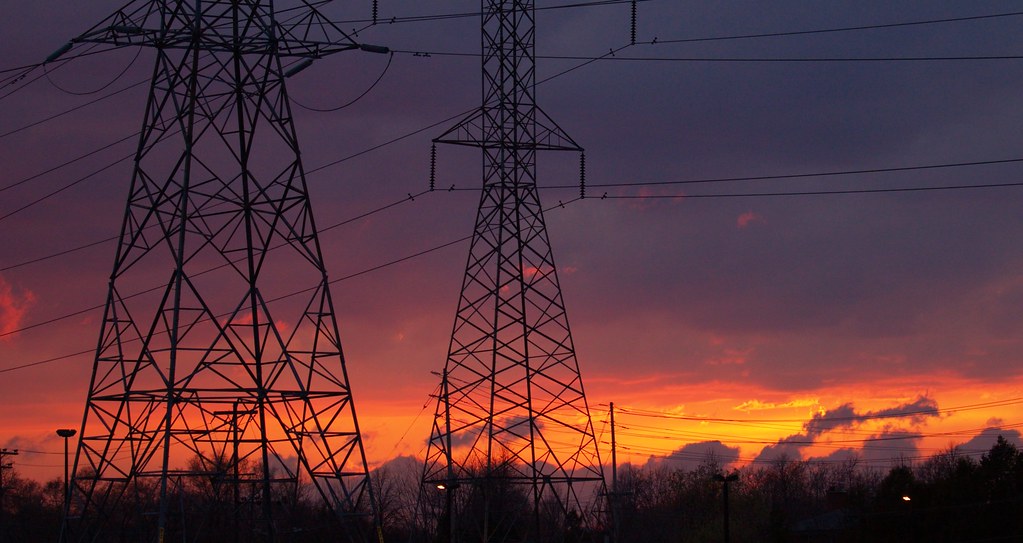
Nigeria, Africa’s most populous country, plans 24-hour power zones in its biggest commercial centres. The aim is to give homes, businesses and factories there electricity around the clock.
Power Minister Joseph Tegbe discussed the idea on Wednesday, 30 September 2026, with private electricity distribution companies. These firms own the local networks that carry power from the national grid to customers.
Where the Energy Zones would be
The proposal names three corridors: the Lagos axis, Abuja–Kaduna–Kano, and Enugu–Port Harcourt. Together they cover six cities in five states and the Federal Capital Territory around Abuja.
These are the areas with the heaviest demand from offices, factories and households. Lagos is the commercial capital, Abuja the seat of government, and Port Harcourt the hub of the oil industry.
The government would prioritise grid and equipment upgrades inside the zones. It says this should unlock unmet industrial demand and help distributors bill and collect more.
What the minister actually said
“The constraint on the sector is not limited to generation and transmission but includes how much power is taken up and delivered at the distribution end,” Tegbe said. The quote comes from a statement issued by his office.
That marks a shift in emphasis. For years, Nigerian officials mostly blamed gas shortages, power-station breakdowns and a fragile transmission grid.
The meeting included Abuja Electricity Distribution Company, Ikeja Electric, Eko Power and Ibadan Electricity Distribution Company. Sahara Energy Group, a Lagos-based energy firm, also attended.
The statement, as reported by Punch and BusinessDay, gave no timetable for implementation. It did not state the zones’ planned capacity or the infrastructure spending required.
The money problem underneath
Nigeria’s 11 distribution companies are short of cash. Data from the Nigerian Electricity Regulatory Commission (NERC), the industry regulator, were reported by The Sun and Legit.ng.
Distributors received electricity worth about ₦3.68 trillion (about US$2.77 billion) in 2025. They billed customers only ₦2.99 trillion (about US$2.25 billion).
They then collected about ₦2.32 trillion (about US$1.75 billion). The shortfall between power supplied and cash received was roughly ₦1.36 trillion (about US$1.02 billion).
Naira figures here are converted at 1,329 naira per US dollar, the open.er-api.com rate on 1 October 2026. The figures are for the whole of 2025.
That gap ripples up the chain to power stations and gas suppliers, who go unpaid. Concentrating upgrades where customers can pay is meant to narrow it.
Debts, tariffs and the bigger bill
The government is separately running a Presidential Power Sector Debt Reduction Programme. It plans up to ₦4 trillion (about US$3.0 billion) in government-backed bonds to settle old debts to generators and gas suppliers.
Tegbe has also said there is no immediate plan to raise electricity tariffs. A presidential adviser on power made a similar denial in July.
The long-term bill is far larger. Vice-President Kashim Shettima said in October 2025 that Nigeria needs about US$23 billion to end energy poverty.
The head of the Rural Electrification Agency, which runs off-grid and rural projects, repeated the US$23 billion figure in August 2026. Neither estimate is tied to the Energy Zones.
Who gains and who waits
Factories, offices and shops inside the corridors would gain first if the plan goes ahead. Steady grid power would cut their spending on diesel and petrol generators.
Households in the zones could also benefit, since the statement names homes alongside businesses. Areas outside the six cities would see no direct change.
Distributors would gain paying customers and better collections. They would also carry much of the burden of upgrading local networks.
What to watch next
The next concrete signal would be a pilot site, a funding plan or a regulatory order from NERC. None has been announced so far.
Investors will also watch how electricity is priced inside the zones. Under Nigeria’s current system, customers promised more hours of supply already pay higher tariffs.
Until details emerge, the 24-hour power zones remain a stated goal rather than a funded programme. Foreign firms in Nigeria should keep planning for backup power.
Frequently Asked Questions
Which areas are included in Nigeria’s 24-hour power zone plan?
The proposed Energy Zones cover the Lagos axis, the Abuja–Kaduna–Kano corridor and the Enugu–Port Harcourt corridor. That means six cities in five states plus the federal capital territory.
Has Nigeria announced a start date for the Energy Zones?
No. The power ministry has not given a timetable, a capacity target or the cost of the network upgrades needed.
Will electricity prices rise in the Energy Zones?
Power Minister Joseph Tegbe has said there is no immediate plan to raise electricity tariffs. How customers in the zones would be billed has not been explained.
Why does Nigeria’s power supply fail so often?
Generation, transmission and gas supply have all been weak for years. The minister now also blames distribution, where distributors struggle to take and deliver available power.
Connected Coverage
Sources
- Punch: FG plans 24-hour power zones in Lagos, Abuja, Kano, others (30 Sep 2026)
- BusinessDay: Tegbe targets 24-hour supply with new energy zone scheme (30 Sep 2026)
- Legit.ng: FG names six zones to have 24-hour power supply (30 Sep 2026)
- Tribune: Nigeria needs US$23bn to end energy poverty, Shettima (Oct 2025)
- The Sun: Nigeria needs US$23bn to address electricity challenges, says REA MD (Aug 2026)
- IMF World Economic Outlook: Nigeria GDP and population
- open.er-api.com exchange rates, 1 Oct 2026
This article was produced by The Rio Times’ automated newsroom system. How we use AI · Report an error
LatAm Markets: Live Signals → — real-time movers, turnover leaders and FX across Latin America.
Read More from The Rio Times