Navigating High Waters: Mozambique’s Banks Amid Rising Debt
Mozambique’s banking sector shines as a pillar of stability, facing a surge in public debt with resilience.
As of March, banks reported a 25.1% solvency ratio and a 50.2% liquidity ratio, significantly exceeding regulatory requirements.
This robust financial health equips the sector to withstand potential economic upheavals.
Yet, challenges loom large. The nation’s public debt has jumped to 361.8 billion Mozambican meticais (about €5.215 billion).
This sharp increase highlights the mounting economic pressures yet underscores the banks’ vital role in maintaining stability.
The financial landscape in Mozambique is diverse, featuring 15 commercial banks and 12 microbanks, among other institutions.
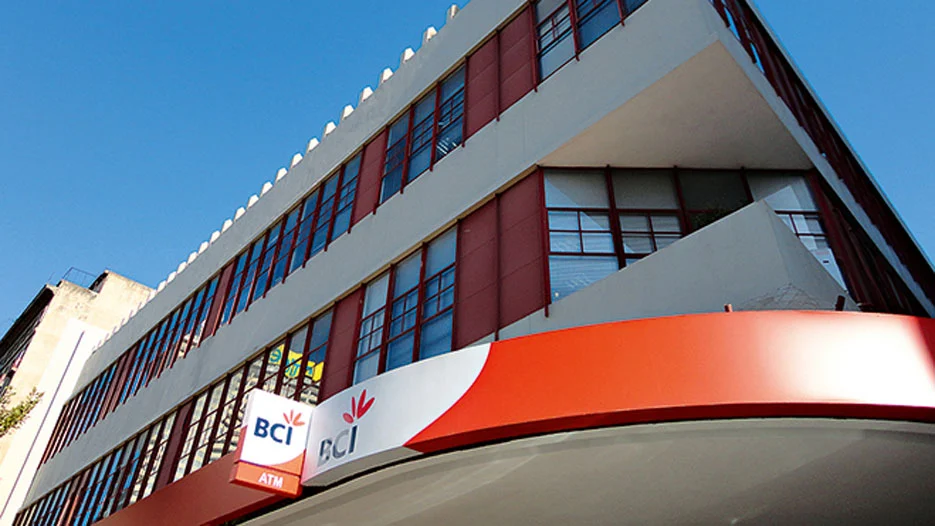
BCI and Millennium BIM, in particular, are deemed systemically crucial, playing key roles in the financial ecosystem.
The International Monetary Fund (IMF) has pinpointed vulnerabilities, especially among smaller banks burdened by high real interest rates.
These conditions amplify financial instability risks and complicate government financing.
In response, Mozambique’s central bank holds the policy interest rate at 17.25% and enforces strict reserve requirements to mitigate these threats.
The central bank’s prudent strategy reflects the careful balance needed to manage economic stability amid fiscal challenges.
Mozambique’s banking sector shows resilience in managing financial issues, underscoring the need for careful oversight.
This story goes beyond numbers, showing how financial stewards navigate rising debt to secure the nation’s economic future.
This article was produced by The Rio Times’ automated newsroom system. How we use AI · Report an error · Editorial responsibility: Matthias Camenzind, Editor-in-Chief
Part of our ongoing coverage
Africa: The New Scramble — the great-power contest over the continent.