Nairobi Railway City Plans a US$293 Million Sports Arena
Kenya · EXPAT
Key Facts
- —What happened Kenya unveiled a Sh38.14 billion (US$294.49 million) arena-led plan for Nairobi Central Railway Station in 2026.
- —How big The first phase is a 10,000-seat indoor arena inside a 172-hectare Nairobi Railway City redevelopment.
- —Who is behind it Zaria Group, co-founded by Masai Ujiri, leads the project with Helios Sports & Entertainment Group as a partner.
- —The jobs promise The wider development is projected to support more than 20,000 jobs annually, with official masterplan statements citing over 25,000 annual jobs.
- —What comes next Kenya Railways signed a long-term land lease in April 2026, clearing the way for construction of the arena-led district.
Kenya is betting Sh38.14 billion (about US$294.5 million) that a Rwanda-style sports arena can turn Nairobi Central Railway Station into a regional hub for meetings, incentives, conferences and exhibitions, known as MICE tourism.
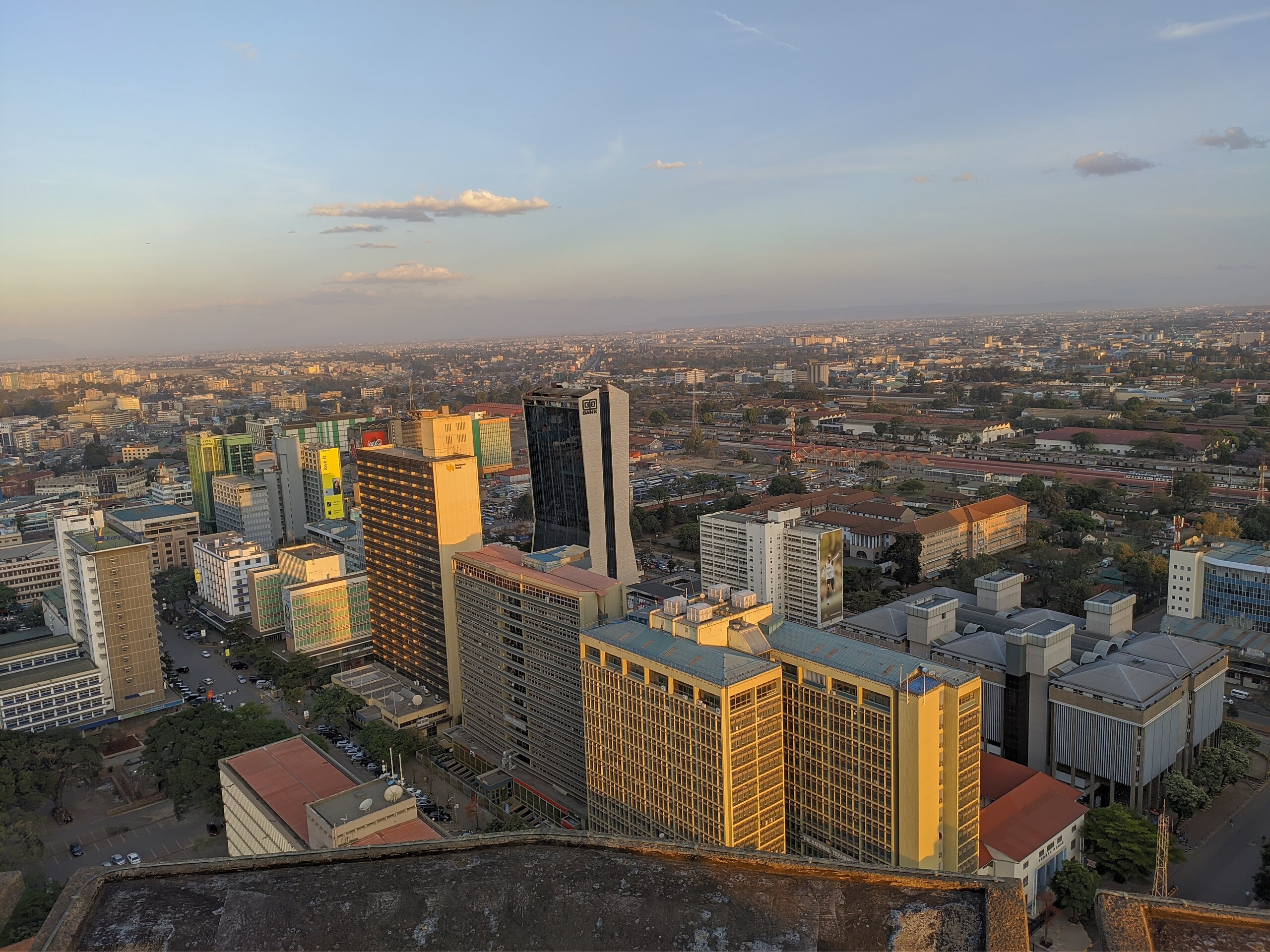
Kenya has unveiled a Sh38.14 billion (US$294.49 million) plan to build a 10,000-seat indoor arena and mixed-use district at Nairobi Central Railway Station. The project is the first flagship phase of the wider 172-hectare Nairobi Railway City redevelopment.
A Kigali playbook comes to Nairobi Railway City
The arena-led model is drawn directly from Zaria Group’s portfolio in Kigali, Rwanda. That portfolio includes BK Arena, Amahoro Stadium and Zaria Court Kigali.
Zaria Group, co-founded by Masai Ujiri, is leading the Nairobi project with Helios Sports & Entertainment Group as a partner. The two firms are betting that a sports and entertainment anchor can drive commercial development around a transit hub.
Kenya Railways signed a long-term lease for the land in April 2026, in the presence of President William Ruto. The signing cleared the way for private capital to take control of strategic public land near the central business district.
The money and the model
The project budget is Sh38.14 billion (about US$294.5 million), equivalent to US$294.49 million. That figure covers the arena and the broader mixed-use district planned for the railway land.
The financing and operating model relies on pan-African private capital rather than direct state funding. Sports-entertainment branding and long-term leasehold control of public land are central to the structure.
For expats and investors, the signal is clear. Kenya is using city-making infrastructure to attract regional spending on sports, concerts and business events.
Who gains and who loses
The wider development is projected to support more than 20,000 jobs annually. Official statements around the Railway City masterplan have cited over 25,000 annual jobs and capacity to move more than 400,000 commuters daily by 2030.
Hospitality, retail and construction businesses stand to gain from the arena-led foot traffic. Commuters and residents near the central business district could see improved transit links, but also rising land values and potential displacement pressure.
Kenya Railways gains a long-term lease income stream from land it controls. The state gains a visible regeneration project that signals investment credibility to regional and international partners.
East Africa’s competition for MICE spending
The Nairobi Railway City project reflects a wider contest across East Africa for MICE tourism, aviation and creative-economy spending. Rwanda has used its Kigali venues to position itself as a regional events hub.
Kenya is now responding with a comparable arena-led offer at its main railway station. The location gives Nairobi a transit-connected venue that Kigali’s inland sites cannot easily match.
This competition is part of a broader scramble for influence and investment across the continent. The pattern fits the dynamics tracked in Africa: The New Scramble.
The regional read-through
For professionals and expats in Nairobi, the project promises new entertainment and conference infrastructure within the central business district. It also signals that the government is willing to hand long-term control of public land to private operators.
The Rwanda-style model has worked in Kigali because it bundled sports, hospitality and retail into one managed district. Nairobi’s version will test whether that formula can scale in a larger, more congested city.
Success would strengthen Kenya’s position as a regional hub for business events and creative industries. Failure would leave the state with a high-profile land deal and little to show for it.
What to watch next
Construction timelines have not been detailed in the verified research. The next milestone to watch is the start of physical works at Nairobi Central Railway Station.
Investors should monitor whether Zaria Group and Helios Sports & Entertainment Group bring in additional partners or financing. The project’s ability to hit the 2030 commuter and jobs targets will depend on execution.
For now, the Sh38.14 billion (about US$294.5 million) bet is a clear statement of intent. Kenya wants a piece of the regional sports and events economy, and it is using its most strategic railway land to get it.
Frequently Asked Questions
What is the Nairobi Railway City project?
It is a 172-hectare redevelopment around Nairobi Central Railway Station, anchored by a 10,000-seat indoor arena and a mixed-use district.
Who is funding the Sh38.14 billion (about US$294.5 million) arena plan?
Zaria Group, co-founded by Masai Ujiri, leads the project with Helios Sports & Entertainment Group as a partner, using pan-African private capital.
How many jobs will the Railway City development create?
The wider development is projected to support more than 20,000 jobs annually, with official masterplan statements citing over 25,000 annual jobs.
Connected Coverage
Sources
This article was produced by The Rio Times’ automated newsroom system. How we use AI · Report an error
LatAm Markets: Live Signals → — real-time movers, turnover leaders and FX across Latin America.
Read More from The Rio Times