Copasul’s US$198 Million Soybean Plant Bets on Mato Grosso do Sul
Key Facts
- R$1.013 billion (US$198.3 million, about 5.09 reais per US dollar) — Copasul builds its biggest project ever.
- 115 hectares — Site along BR-163 highway.
- 3,000 tonnes — Daily soybean crushing capacity.
- Meal and oil — Main products from the new plant.
- 16.7 million tonnes — State soybean crop in 2025/26 (SIGA/Aprosoja-MS).
- Energized substation — Infrastructure progress confirmed in March 2026.
- Record national crop — Brazil at 180.568 million tonnes (CONAB).
Copasul’s largest investment ever brings a 3,000-tonne-per-day crusher to BR-163, boosting local processing capacity.
The Mato Grosso do Sul soybean plant is about to get a serious upgrade. Copasul, a farming cooperative in the state, is building its largest project ever: a R$1.013 billion (US$198.3 million) soybean processing facility on 115 hectares along the BR-163 highway. The plant will crush 3,000 tonnes of soybeans per day into meal and vegetable oil. That makes it a cornerstone for the region’s fast-moving agribusiness sector.
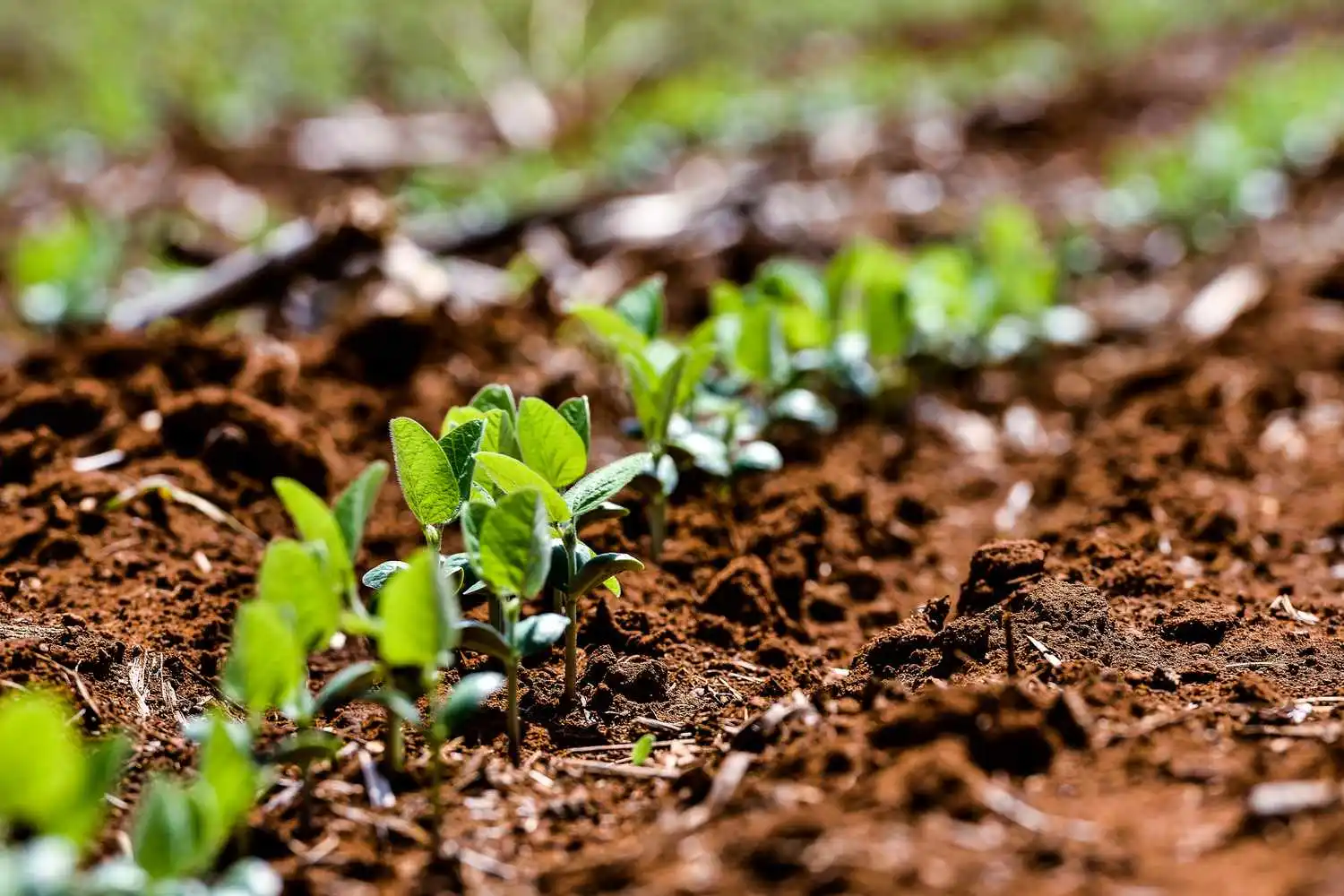
The scale of the Mato Grosso do Sul soybean plant
The new facility sits right on BR-163, a key road linking Mato Grosso do Sul to export ports. It covers 115 hectares, which is roughly 160 football pitches.
The R$1.013 billion (US$198.3 million) price tag is the biggest investment in Copasul’s 40-year history. The cooperative’s leadership has called this a turning point for its members.
When running at full capacity, the plant will process 3,000 tonnes of soybeans each day. That translates to about 1 million tonnes a year, depending on operating days.
Output will focus on soybean meal for animal feed and vegetable oil for food and industrial uses. These products command higher prices in the market than raw grain.
Construction is well underway. In March 2026, Copasul reported that the main electrical substation was energized, a big step for the industrial complex.
But the cooperative has not given a definitive start-up date for commercial operations. It is still finishing secondary systems and testing equipment.
The timing could not be better. Mato Grosso do Sul produced 16.7 million tonnes of soybeans in the 2025/26 crop, with around 80% already sold, according to SIGA and Aprosoja-MS, as reported by Campo Grande News.
That is a huge supply base for the new crusher, ensuring a steady flow of raw material from day one.
The plant will also include a rail spur and truck unloading bays to handle the heavy inbound flow. This setup keeps the operation smooth and reduces waiting times for farmers.
Why local processing matters
For years, Mato Grosso do Sul has shipped most of its soybean as raw grain. That means lower returns for farmers because they depend on distant buyers.
Processing locally adds value, keeps more money in the state, and creates jobs. It also shortens the distance between farm and factory.
The new plant will help change that dynamic. Instead of sending beans to other states or ports, Copasul can turn them into meal and oil right at home.
This gives farmers more options when selling their crops and reduces their exposure to volatile freight costs. That is a practical shield against market swings.
It also supports Brazil’s broader push toward higher-value agribusiness. National soybean output hit a record 180.568 million tonnes in 2025/26, up 5.3% from the previous year, per CONAB.
Exports also grew, to 116.3 million tonnes. But processing capacity is the next frontier for capturing more revenue within the country.
For you, if you live in or invest in Latin America, this is a sign of where the region is heading. Agribusiness is no longer just about growing commodities.
It is about building infrastructure to process them and capture more of the global market.
Impact on logistics and the local economy
BR-163 is strategic. It runs from Mato Grosso do Sul up through Mato Grosso and toward the Amazon ports, giving access to international buyers.
The new plant adds to the corridor’s importance, pulling in soybeans from surrounding farms and pushing out processed products to markets.
The plant will also generate tax revenue for the state and municipality. Construction work alone has likely brought hundreds of jobs to the area, and permanent roles will follow once operations begin.
Copasul has not released full annual output figures or employment numbers. But a project of this scale typically creates hundreds of direct and indirect jobs.
That is a big boost for a region where agriculture is the main economic driver. Local suppliers of packaging, fuel, and services will also benefit from the activity.
The cooperative is also betting on the long term. Brazil is set for its third straight record soybean harvest in 2026/27, according to early projections.
That means a steady supply of raw material for years to come. It also gives the cooperative confidence to invest in expansion beyond the initial build.
Challenges and what’s next
Getting the plant online is not without hurdles. Energy costs, logistics bottlenecks, and international price swings all play a role in profitability.
But the energized substation shows that Copasul is pushing forward despite those challenges. The cooperative has already overcome land, permitting, and construction delays.
The state’s soybean farmers have another concern: tight margins. With input costs climbing, as noted in a recent feed food industry report, processing locally can help farmers capture more value from each tonne.
Copasul will also face competition from other crushing plants in Brazil. But its location on BR-163 and its cooperative model, where farmers share in the profits, give it a distinctive edge over rivals.
Watch for the official commissioning date in the coming months. Once the plant starts up, it will be a game-changer for Mato Grosso do Sul’s agribusiness sector.
More: Brazil news in English, every day from The Rio Times.
Frequently Asked Questions
What is the Mato Grosso do Sul soybean plant?
It is a new soybean processing facility built by Copasul cooperative along BR-163. It will crush up to 3,000 tonnes of soybeans per day into meal and vegetable oil, representing a R$1.013 billion (US$198.3 million) investment.
Why is the new plant important for Mato Grosso do Sul?
The state produces 16.7 million tonnes of soybeans but lacks factory capacity. This plant adds local processing, meaning farmers can sell closer to home and the region keeps more of the value chain.
When will the plant start operations?
No official start-up date has been announced. In March 2026, the main electrical substation was energized, showing progress, but the cooperative has not confirmed when commercial operations will begin.
How does this affect soybean prices for farmers?
Local processing reduces transport costs and gives farmers more buyers, which can support better prices. It also adds demand for the record 2025/26 crop, where 80% was already sold.
This article was produced by The Rio Times’ automated newsroom system. How we use AI · Report an error
Read More from The Rio Times