Mexico · Economy
Key Facts
- —What happened Mexico’s Supreme Court unanimously upheld the 2024 law creating the Well-Being Pension Fund for state workers.
- —How big a jump The fund tops up pensions toward full salary, capped at 17,885.85 pesos monthly in 2026 (US$1,050).
- —The catch Viral claims of a 14,700-peso raise are false; real average top-ups run near 3,975 pesos.
- —What it means Workers keep ownership of individual accounts and can reclaim funds at any time.
- —Who it touches Private-sector workers from 1997 and state workers from 2007, not the older defined-benefit cohort.
- —What comes next A separate 2025 decree lowers retirement ages for pre-2007 workers, from 56 to 53 for women by 2034.
The ruling clears the legal cloud over a pension top-up fund. Even as viral posts wildly overstate what state workers will actually receive.
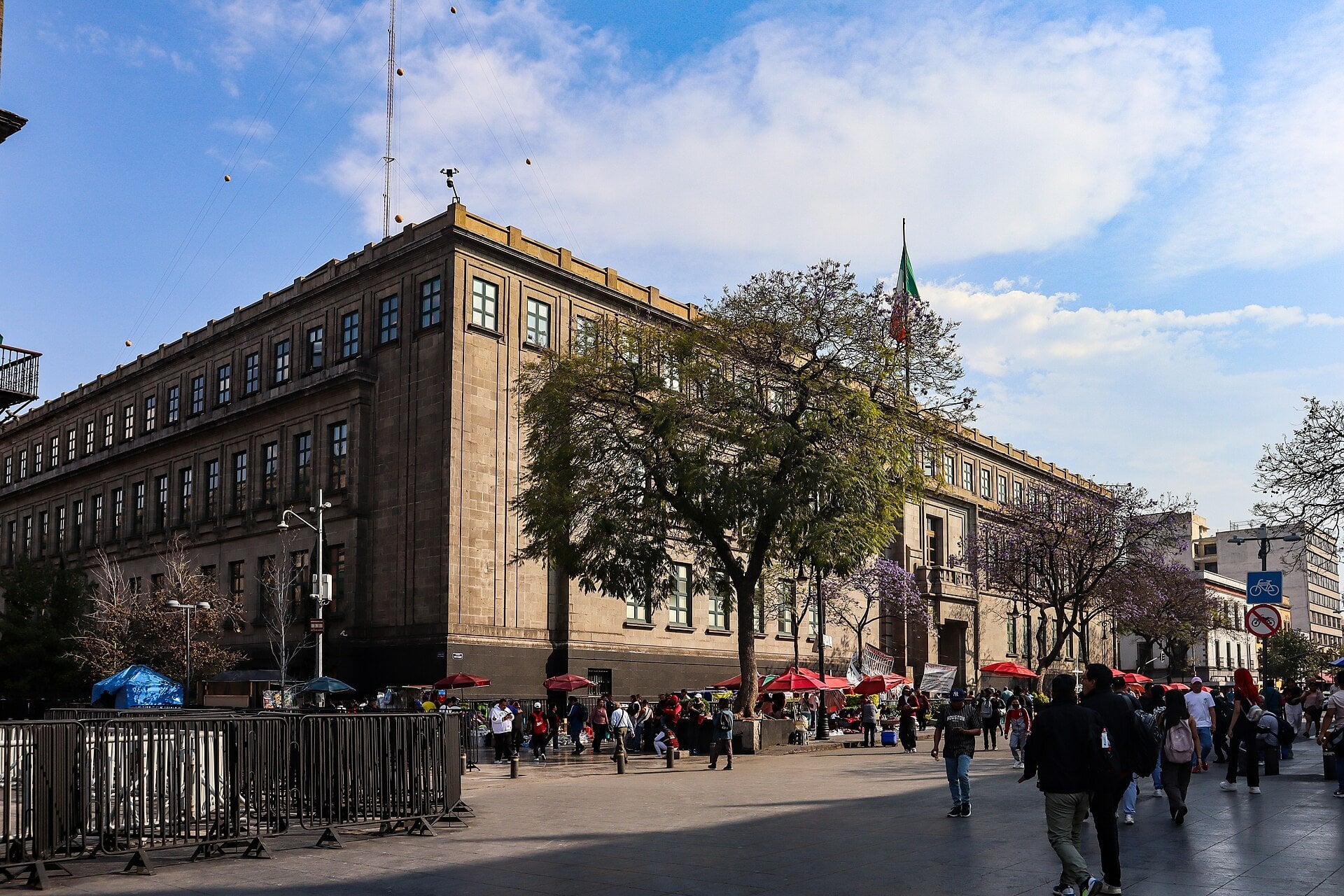
Mexico’s Supreme Court has cleared the biggest legal question hanging over the country’s new ISSSTE pension safety net for government workers. On August 12, 2026.
The justices unanimously upheld the 2024 law that created a fund to lift meager retirement checks toward a worker’s final paycheck. The decision settles the fund’s future, yet it also exposes how far online claims about the policy have drifted from the facts.
What Mexico’s Top Court Decided
On August 12, 2026, the Suprema Corte de Justicia de la Nacion resolved a challenge known as Accion de Inconstitucionalidad 116/2024. By a unanimous vote, it declared the 2024 reforms that built the Well-Being Pension Fund constitutional.
The court also clarified an important point for savers. Workers keep ownership of their individual retirement accounts, and they can reclaim those funds at any time.
Even after balances are transferred into the new pool.
How the ISSSTE Pension Top-Up Actually Works
The core idea is a complement, not a giveaway. Because individual accounts often replace only a fraction of a final salary.
The fund pays the difference to bring a pension closer to 100% of that last wage. Still, the help is bounded.
It applies to workers under the individual-account systems created for private-sector staff in 1997 and for state workers in 2007. And it stops at a fixed monthly ceiling.
The Money, in Plain Numbers
The ceiling tracks the average registered wage at Mexico’s social security institute, updated each January for inflation. It started at 16,777.68 pesos in 2024 and rose to 17,364.90 pesos in 2025.
For 2026 the cap is 17,885.85 pesos a month, about US$1,050 at 17.01 pesos per dollar on August 17, 2026. Reputable Mexican coverage has put the typical top-up much lower, near 3,975 pesos.
So most beneficiaries receive far less than the headline ceiling.
The Retirement-Age Rollback
A separate move sits alongside the fund. A decree published in the official gazette on June 24.
2025 reforms the ISSSTE law’s Tenth Transitory article, which governs an older cohort of state workers. As a result, the minimum retirement age freezes and then falls in stages.
Women drop from 56 today toward 53 by 2034, while men move from 58 toward 55. Reversing the age increases the 2007 reform had set in motion for that group.
Who Actually Benefits
The two measures reach different people. The age rollback covers the Tenth Transitory group, longtime state employees who joined before 2007 and stayed in the old defined-benefit scheme.
Analysts estimate roughly 968,000 workers, though that figure is not stated in the decree itself. Meanwhile, the fund’s top-up targets those on individual accounts.
That includes 1997-era private-sector workers and post-2007 ISSSTE staff whose savings alone would deliver a thin pension.
What This Is Not: The Viral Claims
Social posts and content farms have described the policy as an automatic 14,700-peso monthly raise and a 340% jump for millions. Those exact figures do not appear in the official decrees.
The social security institute’s own materials, or major outlets such as Reuters and La Jornada. In fact, they read as dramatized extrapolations from the cap.
The real design is a capped complement plus an age change for one cohort, not a flat cash bonus paid to everyone.
Why Sheinbaum Says She Cannot Go Further
President Claudia Sheinbaum has been blunt about the limits. She has said Mexico cannot return to the pre-2007 ISSSTE rules because the public resources simply are not there.
So the strategy is repair rather than repeal. The government layers a solidarity top-up and an earlier retirement age onto the existing system.
Instead of tearing up the 1997 and 2007 laws.
The 2007 Reform, Briefly
The 2007 overhaul moved new state workers onto personal savings accounts, much like Chile’s model and Mexico’s own 1997 private-sector shift. The promise was fiscal stability; the trade-off was smaller, market-linked pensions.
Two decades on, many of those pensions look too small to live on. That gap is exactly what the new fund tries to close, at least up to its ceiling.
What Happens Next
With the court challenge resolved, the fund can keep operating without a constitutional cloud overhead. Its ceiling will continue to rise each January in line with inflation.
For workers, the practical takeaway is simple. Check which regime you fall under, because the age decree and the top-up reach separate groups.
And neither delivers the eye-popping numbers circulating online.
More: Mexico news in English, every day from The Rio Times.
Frequently Asked Questions
Did Sheinbaum reverse Mexico’s 2007 ISSSTE pension reform?
Not fully. A June 2025 decree rolls back retirement-age increases for one older cohort.
How much is the ISSSTE pension top-up worth?
The complement lifts a pension toward the worker’s final salary, capped at 17,885.85 pesos a month in 2026, about US$1,050. Reputable reporting suggests the average actual top-up is far smaller, near 3,975 pesos.
Is the 14,700-peso raise or 340% increase real?
Those figures circulate on content farms and social media, not in the official decrees or major news outlets. They appear to be extrapolations from the fund’s cap rather than a guaranteed payment.
What did the Supreme Court decide on August 12, 2026?
It unanimously upheld the 2024 law creating the Well-Being Pension Fund and confirmed that workers keep ownership of their individual accounts and can reclaim the money.
Connected Coverage
Sources: Diario Oficial de la Federacion; Aristegui Noticias; La Jornada; IMSS; Suprema Corte de Justicia de la Nacion.
This article was produced by The Rio Times’ automated newsroom system. How we use AI · Report an error
Read More from The Rio Times