Mayan train: Mexican scientists are sounding the alarm
Parts of the remote jungles of southern Mexico have changed little since ancient Maya times. In President Andres Manuel López Obrador’s eyes, the rail line his administration is building – dubbed the Tren Maya – will bring modern connections to areas that have been deprived of significant economic benefits for generations.
But the railroad and its rushed construction are also endangering the pristine wilderness and ancient cave systems beneath the jungle, according to numerous scientists and environmental activists.
The railroad “splits the jungle in half,” explained Ismael Lara, a guide who takes tourists to a cave that houses millions of bats near the Calakmul Biosphere Reserve. Lara worries that the train, due to pass nearby, will disrupt wildlife routes and bring too much development to the delicate ecosystem.
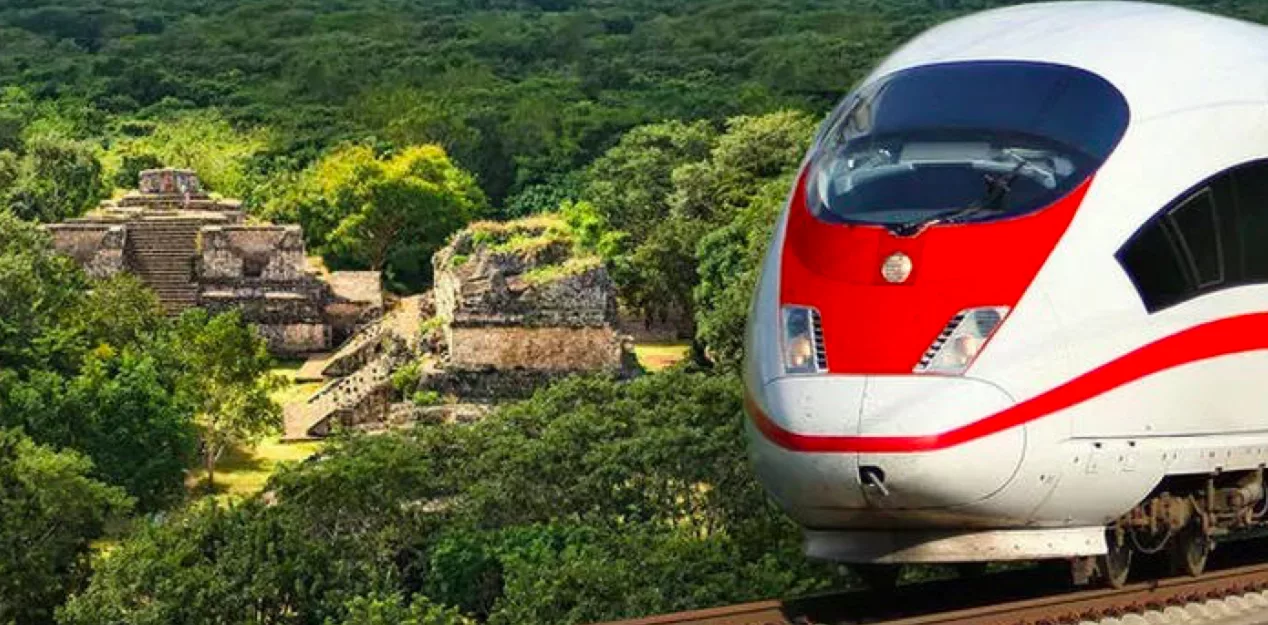
The 1,470-kilometer route will run through the Yucatan Peninsula with diesel and electric trains and connect Mexico’s most popular travel destination Cancun with the ancient Mayan temples of Chichen Itza and Palenque.
The rail line has deeply divided Mexicans, and the controversy surrounding its construction exemplifies the struggles of developing countries around the world to balance economic progress with environmental responsibility.
Mexico’s tourism agency FONATUR, which is responsible for the project, has said the railway could lift more than a million people out of poverty and create up to 715,000 new jobs by 2030. The construction costs are estimated at up to US$20 billion, Lopez Obrador announced in July.
But with the project already billions of dollars over budget and falling behind schedule, scientists and activists claim the government has compromised on environmental risk assessments in order to complete the project while Lopez Obrador remains in office.
In December, United Nations experts warned that the railroad’s status as a national security project allows the government to bypass standard environmental protection measures and called on the government to protect the environment in line with global standards.
FONATUR defended the speed with which the studies were produced. “It doesn’t require years, just expertise, knowledge and ability to integrate,” it said in response to questions from Reuters. The agency declined to comment on the United Nations statement.
CENOTES
The Tren Maya route cuts a swathe up to 14 meters wide through some of the world’s most unique ecosystems, bringing the modern world closer to endangered species like jaguars – and bats.
The trail passes through a system of thousands of subterranean caves carved into the region’s soft limestone by water over millions of years. Crystalline pools known as cenotes crisscross the Yucatan Peninsula where the limestone surface has caved in, exposing groundwater.
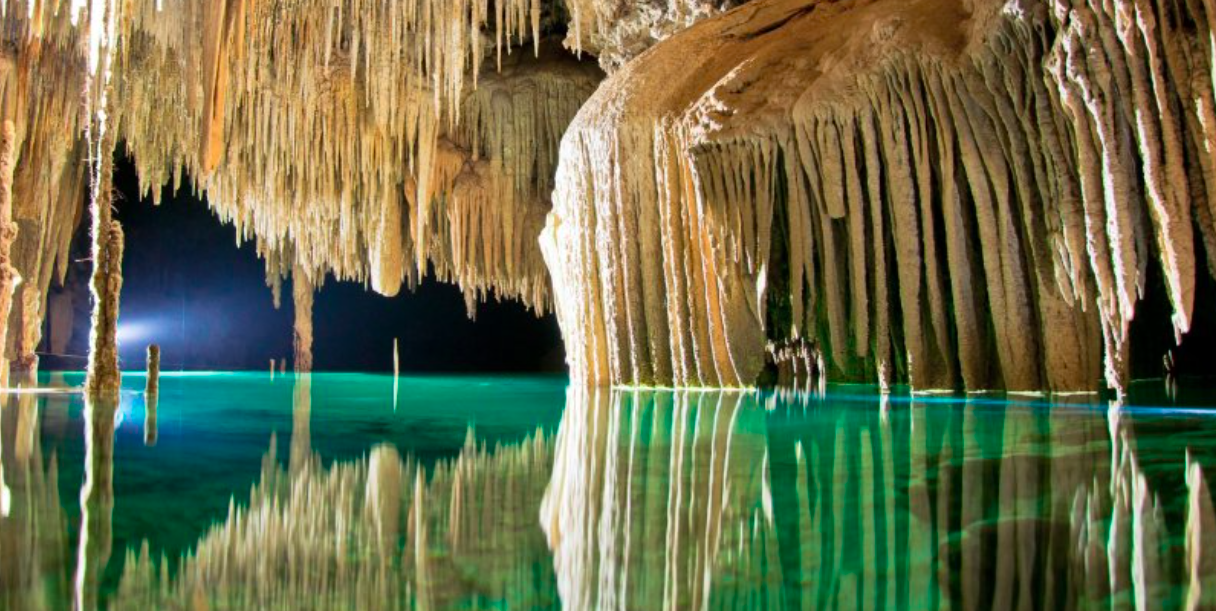
The longest known underground river in the world flows through the caves, where ancient human fossils and Mayan artifacts such as a canoe estimated to be over 1,000 years old have also been discovered.
If the railroad is poorly built, it risks breaching the sensitive ground and also entering the unexplored caves below, warns Emiliano Monroy-Rios, a Mexican geochemist at Northwestern University who studies the region’s caves and cenotes in depth examined. He adds that the diesel fuel could also leak into the network of underground pools and rivers, the main source of fresh water on the peninsula.
With less than 20% of the underground system mapped, according to several scientists polled by Reuters, such damage could prevent important geological discoveries.
The government’s environmental impact study for Section 5, the most controversial section, said the environmental impacts were “insignificant” and would be adequately mitigated. The study states that the risk of collapse was taken into account when planning the tracks and that the area is being monitored through a prevention program.
Dozens of scientists disagree, writing in open letters that the assessments suffer from problems including outdated data, failure to account for recently discovered caves, and lack of input from local hydrogeology experts.
“They don’t want to acknowledge the fragility of the country,” said Fernanda Lases, a Merida-based researcher at the National Autonomous University of Mexico (UNAM), saying the problems identified are “highly worrying”.
The names of the 70 experts who took part in the government study have been redacted in the publication.
Research used by the government to support its conclusions comes from a blog posted by Monroy-Rios, who says he was never contacted by the report’s authors. His research highlights the need for comprehensive monitoring and control of all infrastructure projects in the region. He says this didn’t happen.
An expert involved with the reports, who spoke to Reuters on condition of anonymity, said the job was done quickly. “There was pressure, mainly because of delivery times,” the expert said, raising concerns that the government is not properly mitigating the risks experts had pointed out in the government’s impact assessments, or not having the necessary resources to maintain the train would provide.
FONATUR stated that the project will have resources and aftercare in the future, including the programs set up for environmental protection.
“The Mayan train project is of course safe and will be monitored and regulated by the environmental authorities, as has been the case so far,” the agency told Reuters. Despite concerns about the railroad, it has the support of many villages that have felt largely forgotten in national development plans for decades.
More: Mexico news in English, every day from The Rio Times.
Editorial responsibility: Matthias Camenzind, Editor-in-Chief · Editorial standards · Report an error