Mauritius Is Writing One Law for Everything Its Ocean Does
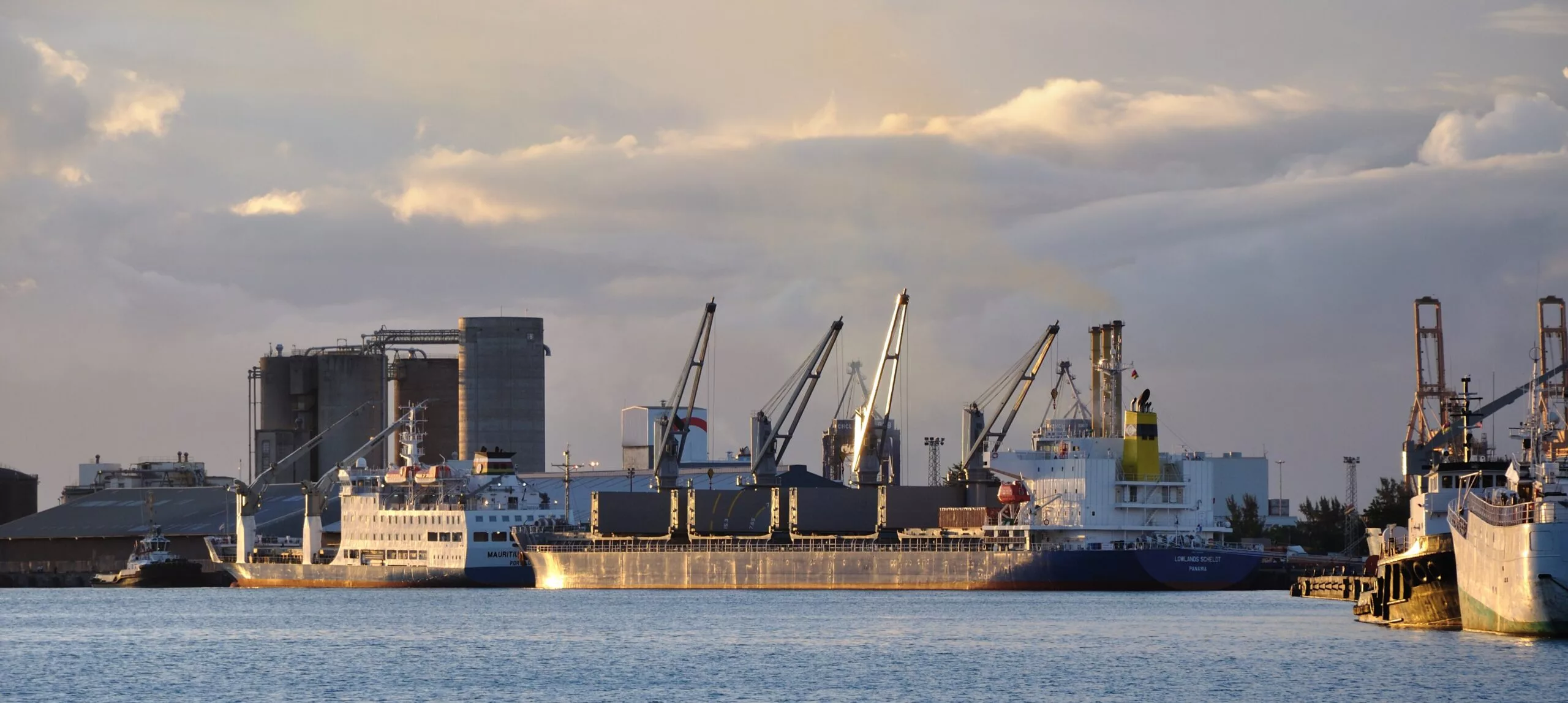
MAURITIUS · ECONOMY
Key Facts
- —The proposal A Blue Economy Bill would unify rules for fisheries, maritime services, conservation, and climate-linked ocean industries.
- —The size of the economy The IMF projects Mauritius’s economy at US$17.1 billion in 2026, one of Africa’s most diversified small economies.
- —The territory In August the United Nations backed Mauritius’s claim to 147,000 more square kilometres of seabed.
- —The instruments The government pairs the bill with climate finance and fisheries reform to attract capital, not just regulate.
- —The neighbour Seychelles issued the world’s first sovereign blue bond in 2018 and has Africa’s highest income per head.
- —The catch Clear rules first attract processing, servicing, and financing—where ocean economy value truly lies.
The Mauritius Blue Economy Bill would bring fisheries, maritime services and marine conservation under one set of rules.
Climate-linked ocean industries would join them for the first time.
What the Mauritius Blue Economy Bill is meant to fix
It follows a United Nations decision in August that backed the island’s claim to another 147,000 square kilometres of seabed.
The ocean is governed in pieces today.
Fisheries, shipping, ports, and marine protection each have separate authorities.
For an investor, that fragmentation is a cost, not a nuisance. A seaweed processing venture or an offshore aquaculture project may need approvals from several bodies.
Those bodies do not share a definition of the activity.
The bill under preparation would consolidate those frameworks into one policy structure covering fisheries, maritime services, marine conservation and climate-linked ocean industries. The stated aim is coherence rather than deregulation.
That is an unglamorous reform with outsized effects. Clear jurisdiction is usually what determines whether ocean projects reach financial close.
An exclusive economic zone that dwarfs the country
Mauritius is a small state by land and a large one by sea. Its exclusive economic zone extends over an area many times the size of its territory, and it is still growing.
In August a United Nations commission backed the country’s claim to an additional 147,000 square kilometres of continental shelf off Rodrigues. That is seabed rights rather than water column rights, and it matters for minerals and cables.
Managing that space requires monitoring capability the country has been steadily building. Surveillance, licensing and enforcement are the unglamorous foundations of any ocean economy.
The prize is not only fish. Submarine cables, bunkering, ship registration and eventually seabed resources all attach to jurisdiction.
Rodrigues itself is the test case. The island is small, remote and now sits at the centre of the country’s largest maritime claim.
Where the money is supposed to come from
The government has been pairing the legislative work with climate finance and fisheries reform. The intention is to make ocean sectors bankable rather than merely regulated.
That is the same logic Seychelles applied with its 2018 blue bond, and ocean-finance instruments have grown more common since. Blended finance, concessional guarantees and dedicated ocean funds now exist in a way they did not.
Mauritius has an advantage its neighbour does not: an established financial services sector with experience structuring cross-border vehicles. Ocean finance is finance before it is anything else.
The risk is the familiar one. A jurisdiction that markets itself as a conduit has to keep proving that it is a substantive one.
Two islands, one strategy
Mauritius and Seychelles are pursuing versions of the same plan in the same ocean. Both are converting maritime territory into a regulated, financeable asset base.
Seychelles leads on fisheries scale and on the debt instruments. Mauritius leads on financial infrastructure and on the size of its extended shelf claim.
Competition between them is not necessarily wasteful. Two credible jurisdictions produce a regional market that investors can compare, which is more useful than a single one they cannot.
The broader Indian Ocean context is less comfortable. Great-power interest in the region has grown sharply, and small states with large maritime zones are courted rather than consulted.
Why Latin American readers should care
The template is directly transferable. Coastal states from Chile to Brazil face the same fragmentation between fisheries, ports, conservation and emerging ocean industries.
The financing lineage is already shared. Ecuador’s Galapagos conversion and the region’s blue bond issues drew on the same advisory networks now working in the Indian Ocean.
The governance lesson travels too. Ocean economies fail on enforcement capacity far more often than on capital availability.
For anyone tracking where ocean investment goes next, small island jurisdictions with clean rules are the place to look. They move faster than continental bureaucracies.
What to watch next
The first thing is the bill’s actual text and whether it creates a single licensing authority or merely a coordinating one.
The second is how the extended shelf off Rodrigues is administered, and whether any survey or cable licensing follows.
The third is whether Mauritius issues an ocean-linked debt instrument of its own, which would confirm that the financing side is real.
Frequently Asked Questions
What is the Mauritius Blue Economy Bill?
New legislation is being prepared. It would combine rules on fisheries, maritime services, marine conservation, and climate-linked ocean industries.
These rules would be under one policy framework.
How large is the Mauritian economy?
The IMF projects the economy at around US$17.1 billion in 2026, making it one of the most diversified small economies in Africa.
What seabed did Mauritius gain in August?
A United Nations commission backed its claim to a further 147,000 square kilometres of continental shelf off Rodrigues, which concerns seabed rights.
How does Mauritius compare with Seychelles?
Seychelles leads in fisheries scale and started the sovereign blue bond. Mauritius has a larger financial services sector and a bigger extended shelf claim.
Why does consolidating ocean regulation matter?
Fragmented permitting across separate authorities raises costs and delays projects. A single framework makes ocean ventures easier to finance.
Connected Coverage
- This follows the seabed extension won in August, and it sits alongside the region’s resource agenda. The wider contest for African resources is tracked in Africa: The New Scramble.
This article was produced by The Rio Times’ automated newsroom system. How we use AI · Report an error · Editorial responsibility: Matthias Camenzind, Editor-in-Chief
LatAm Markets: Live Signals → — real-time movers, turnover leaders and FX across Latin America.