Malaysia Is Rebuilding Its Power Grid for Foreign Data Centers
Asia · Energy
Key Facts
- Data surge Data centers will use about 7% of Peninsular Malaysia’s electricity in 2026 and 31% by 2035.
- Coal exit Malaysia targets a full coal phase-out by 2044, creating a race between server growth and grid decarbonization.
- Chinese capital UOB’s 2026 survey found 56% of Chinese firms flagged Malaysia as the single market drawing the most interest.
- Expansion wave The same survey showed 80% of 380 Chinese companies plan to expand abroad within three years.
- Parity price Paraguay’s business electricity runs near US$0.042 per kWh on a March 2024 reference, below Malaysia’s all-in business rate of about US$0.129.
- Solar pull Chile’s Atacama solar pushes its business rate to about US$0.16 per kWh, competing on clean power.
- Hydro grid Brazil’s hydro-heavy system prices business power near US$0.13 per kWh, with green credentials.
The race for server farms is no longer about cheap labor or tax holidays. It is about who can deliver gigawatts of clean, affordable electricity without tripping over their own climate promises.
When you look at where the world’s data centers land, you are really looking at a power map. Malaysia is about to become a case study in how fast electricity demand can outrun a national energy transition.
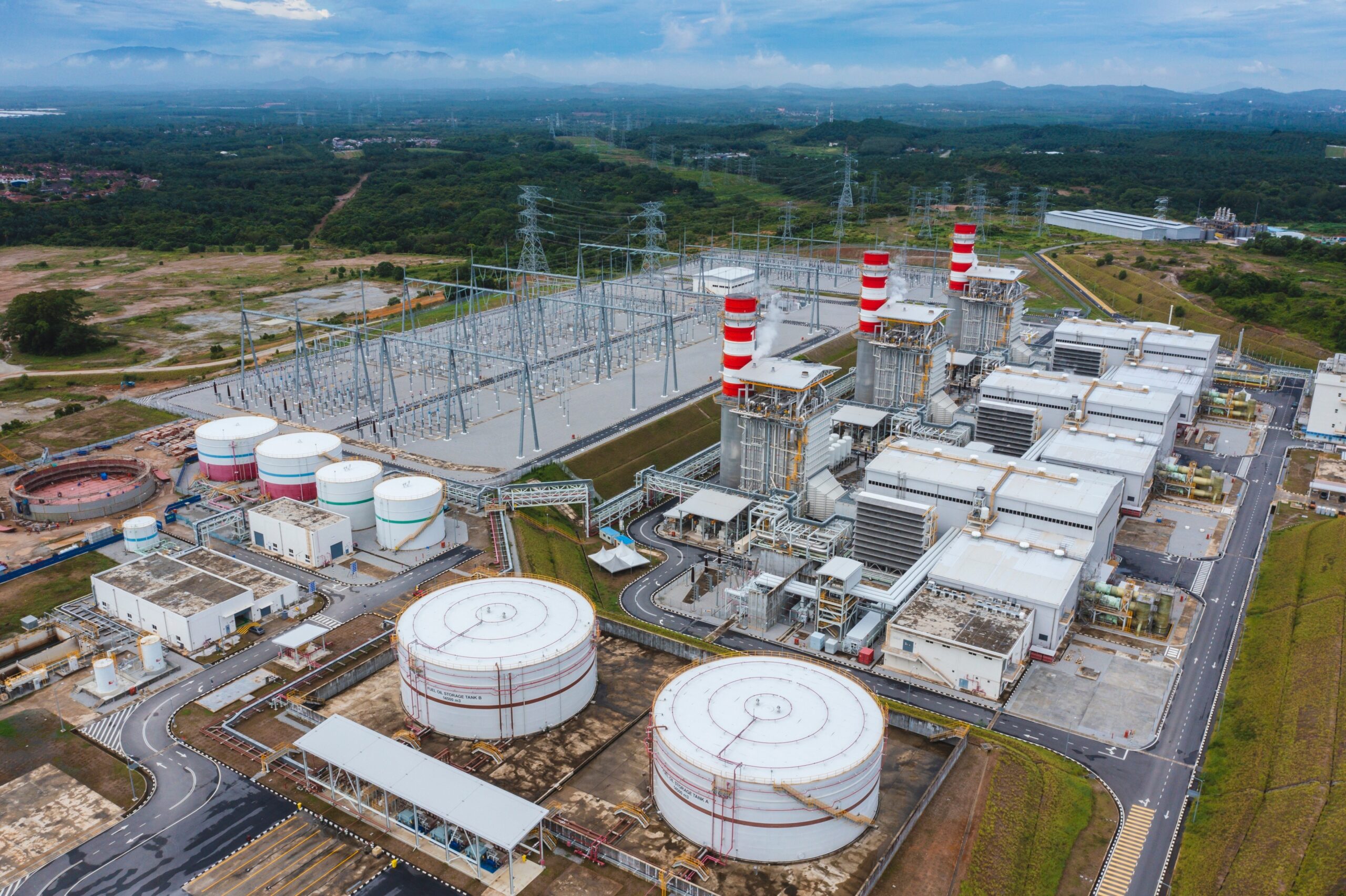
The numbers behind Malaysia’s server boom
Malaysia’s data center buildout is happening at a pace that strains the grid. The projection comes from a written parliamentary reply by Energy Transition Minister Fadillah Yusof.
It puts data centers at about 7% of Peninsular Malaysia’s electricity in 2026.
That share jumps to 31% by 2035, according to the same reply. The energy volumes go from about 10,544 GWh in 2026 to 73,274 GWh in 2035.
Peninsular peak demand is set to rise from 21.3 GW in 2026 to 33.5 GW in 2035. That is a 57% increase in peak load in under a decade.
Most of that new load comes from hyperscale cloud providers and AI training facilities. These are not small server closets; they are campus-sized installations that consume power like small cities.
The coal contradiction at the heart of the plan
Malaysia has promised to quit coal by 2044. That target sits awkwardly next to a data center boom that will consume nearly a third of the peninsula’s electricity.
Coal still provides a large share of Malaysia’s baseload power today. Replacing that with gas, solar, or hydro while peak demand jumps by about 12 gigawatts is a monumental task.
The government is not ignoring the problem. It has pushed renewable energy auctions and cross-border power purchases, but the timeline is tight.
Every new data center contract signed today locks in electricity demand for decades. That means Malaysia must build clean capacity faster than any of its neighbors have ever done.
Chinese capital is accelerating the clock. UOB’s Business Outlook Survey Report 2026, Mainland China Edition found 56% of surveyed Chinese companies flagged Malaysia as the single market drawing the most interest.
The same survey, covering 380 firms, found 80% plan to expand abroad within three years. Much of that investment targets digital infrastructure and data centers.
Thailand is drawing electric-vehicle supply chains and their component makers, which adds regional competition for clean power. Malaysia’s edge in data centers could fade if the grid cannot deliver.
What Malaysia’s electricity actually costs
Malaysia’s utility Tenaga Nasional Berhad, or TNB, publishes tariff schedules that show a split between voltage classes. The Medium Voltage General energy rate is 29.83 sen per kWh, which is about US$0.073 at 4.1 ringgit per US dollar.
The High Voltage General rate is 43.03 sen per kWh, about US$0.105. Those figures come before surcharges, demand charges, and the Automatic Fuel Adjustment, or AFA.
The AFA adds a variable layer to every bill. For July 2026, the surcharge was plus 3.59 sen per kWh, about US$0.0088.
For August 2026, it rose to plus 3.80 sen per kWh, about US$0.0093. That pushes the effective medium voltage rate closer to US$0.082 per kWh.
Large data center operators rarely pay the published tariff. They negotiate special contracts, but the benchmark still sets the floor for negotiations.
Malaysia’s rates are competitive by global standards. But they are not the cheapest in the world, and the gap matters when you are buying terawatt-hours, not kilowatt-hours.
Latin America’s untapped power advantage for data centers
Electricity, not wages, is becoming the deciding factor for where the world’s servers land. Latin America has hydropower and solar it barely markets to the global cloud industry.
Paraguay is the clearest example. Its business electricity price runs near US$0.042 per kWh on a March 2024 reference, thanks to the Itaipu and Yacyreta hydropower surplus.
That is cheaper than Malaysia’s medium-voltage energy charge of about US$0.073 per kWh — though that is the energy component only, before capacity, network and retail charges. On an all-in basis the same source puts Malaysian business power at about US$0.129 per kWh, which is the like-for-like number. For a 100 MW data center running at full load, that difference saves millions of dollars every year.
Chile offers a different kind of advantage. Its Atacama solar farms push business rates to about US$0.16 per kWh.
That is higher than Malaysia’s benchmark, but it rests on clean, abundant sunshine.
Brazil sits at about US$0.131 per kWh, effectively level with Malaysia’s all-in rate of US$0.129 for business power. Its grid is hydro- and renewables-heavy, which gives data center operators a green profile that Malaysia cannot yet match.
None of these countries is uniformly cheaper than Malaysia. Chile and Brazil often cost more on the raw price, but they compete on clean power and grid reliability.
Why the Latin America read matters for investors
For investors and expats watching the data center race, the lesson is simple. The next wave of server construction will go where electricity is both cheap and clean.
Malaysia has the capital inflows and the political will to build data centers. But it is running out of time to build the clean generation needed to power them.
Latin America’s advantage is not just price. Paraguay, Chile, and Brazil already have clean power in the ground.
It is not just on a planning document.
Paraguay’s hydropower surplus is a strategic asset that the country barely markets. A data center developer could lock in a rate near US$0.042 per kWh for decades without building a single new power plant.
Chile’s Atacama solar is so cheap that it has reshaped the country’s wholesale market. The bottleneck there is transmission, not generation.
Brazil’s hydro grid offers scale that few countries can match. Its US$0.13 per kWh rate is higher than Malaysia’s, but the renewable mix is a selling point for carbon-conscious cloud providers.
The collision course ahead for Malaysia
Malaysia’s two pledges are on a collision course. Data centers will consume 31% of Peninsular electricity by 2035, and coal must be gone by 2044.
That means Malaysia needs to replace coal plants while adding enough clean capacity to power a 57% increase in peak demand. The math is daunting.
Natural gas will likely fill the gap, but gas is not zero-carbon. Malaysia’s climate commitments will face pressure if gas becomes the bridge fuel for data centers.
Renewable energy auctions are accelerating, but solar and wind need storage to provide round-the-clock power. Battery storage at the scale required is expensive and still unproven in Malaysia’s tropical climate.
Cross-border power purchases could help. Indonesia and, via Thailand under the Laos-Thailand-Malaysia-Singapore power integration project, Laos both have hydropower potential.
But regional grids cannot handle massive data center loads.
The window for action is narrow. Every year of delay makes the 2044 coal exit harder to achieve without blackouts or rationing.
The Latin America read for the data center industry
For the data center industry, the message is clear. Electricity is the new currency, and Latin America holds a lot of it.
Paraguay’s rate near US$0.042 per kWh is a price no Southeast Asian market can match. That figure carries a March 2024 reference date, so it is a benchmark rather than a current price.
Chile and Brazil offer clean power at prices that are competitive with Malaysia’s effective rates. Their grids are more mature in renewables than Malaysia’s is today.
The region’s challenge is not generation; it is marketing and infrastructure. Paraguay has the power but lacks the fiber and the political framework to attract hyperscale cloud providers.
Chile has the solar and the mining expertise, but its grid needs upgrades to handle large, concentrated loads. Brazil has the scale but struggles with bureaucracy and connection delays.
Malaysia’s advantage is speed and capital. The country has the Chinese investment, the land, and the regulatory momentum to build data centers now.
But speed without clean power is a short-term play. The long-term winners will be countries that pair low prices with green generation.
Latin America’s hydropower and solar are sitting there, barely marketed. The question is whether the region can move fast enough to catch the wave before Malaysia locks in its grid advantage.
Frequently Asked Questions
How much of Malaysia’s electricity will data centers use by 2035?
Data centers are projected to use about 31% of Peninsular Malaysia’s electricity by 2035, up from about 7% in 2026. That is a jump from 10,544 GWh to 73,274 GWh in under a decade.
When does Malaysia plan to phase out coal?
Malaysia targets a full coal phase-out by 2044. That target overlaps with the data center boom, creating a need for massive clean energy buildout.
How does Malaysia’s electricity price compare to Latin America?
Malaysia’s TNB medium-voltage energy charge is about US$0.073 per kWh before capacity, network and retail charges; all-in, Malaysian business power is about US$0.129 per kWh. Paraguay is cheaper at about US$0.042, Chile higher at about US$0.16, and Brazil effectively level at about US$0.131.
Why is Latin America attractive for data centers?
Latin America has cheap hydropower in Paraguay, cheap solar in Chile, and a hydro-heavy grid in Brazil. These offer clean power that is competitive with or cheaper than Malaysia’s rates.
Connected Coverage
Sources: Malaysian Ministry of Energy Transition (parliamentary reply); Tenaga Nasional Berhad; UOB (Chinese Enterprises Expansion Survey 2026); GlobalPetrolPrices; ANDE Paraguay.
This article was produced by The Rio Times’ automated newsroom system. How we use AI · Report an error
LatAm Markets: Live Signals → — real-time movers, turnover leaders and FX across Latin America.
Read More from The Rio Times