Lula Praises Trump Call as Brazil US Tariff Talks Resume

Brazil · POLITICS
Key Facts
- —What happened Lula and Trump spoke by phone for 1 hour 20 minutes, their longest call to date.
- —How big Brazil faces a combined 37.5% US tariff — 25% specific plus 12.5% on other nations.
- —The real story Lula praises Trump personally but blames his advisers for trade friction.
- —The catch The 25% tariff is already in force; the 12.5% rate has no confirmed start date.
- —Who it hits Brazilian exporters, with talks resuming via videoconference between ministers.
- —What comes next Trade Minister Elias Rosa meets US envoy Greer in the week after the call.
The Brazilian president says his direct talks with the US leader are civilised, even as he points to friction from lower-ranking officials.
Brazil US tariff talks are set to resume. President Luiz Inácio Lula da Silva praised his recent phone call with US President Donald Trump.
Lula described the conversation as civilised and respectful, while criticising the actions of Trump’s advisers.
Lula’s Civilised Call With Trump
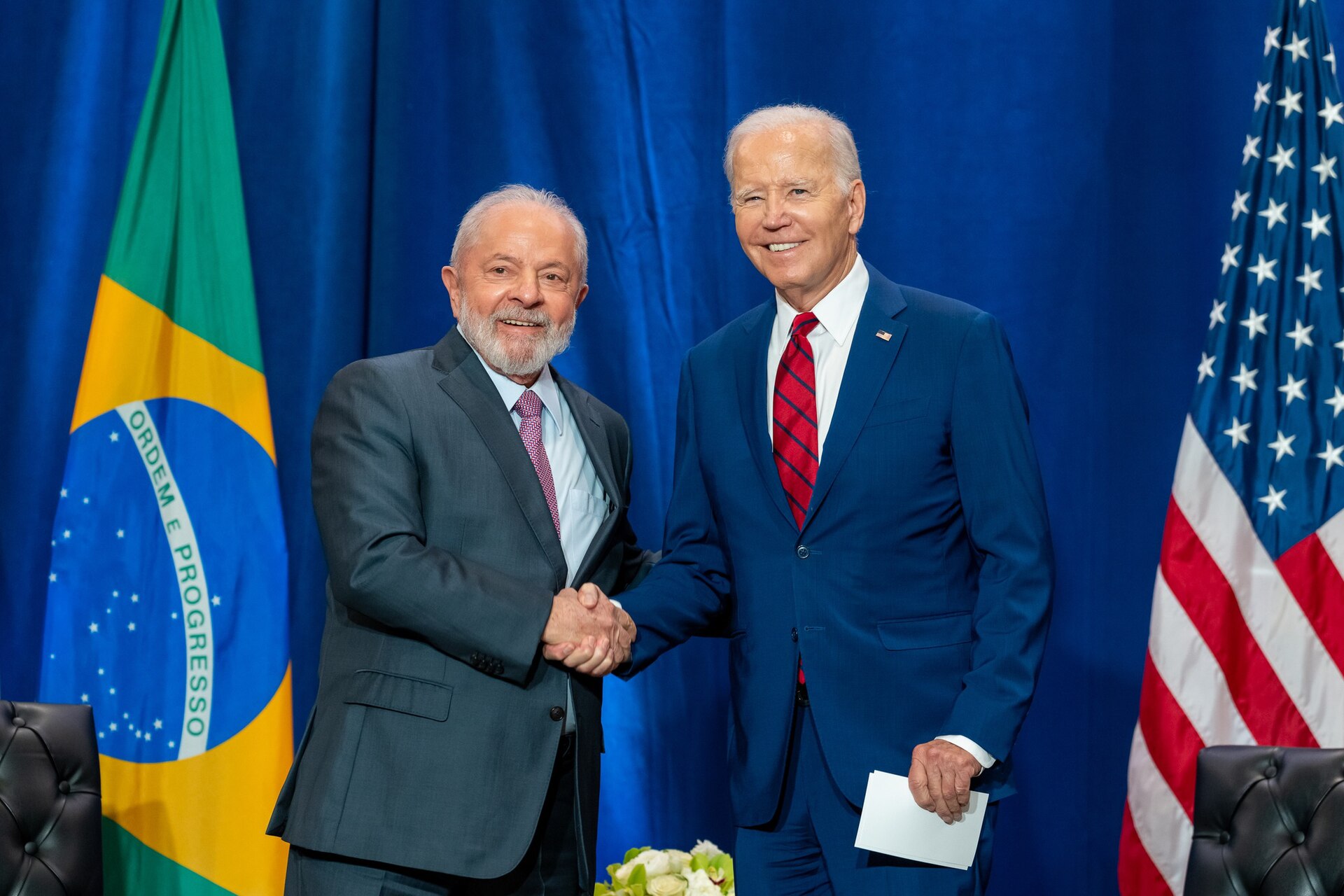
President Luiz Inácio Lula da Silva said his telephone call with US President Donald Trump was ‘very civilised and respectful’. He made the remarks in an exclusive interview with Record TV, the Brazilian broadcaster.
G1 published his remarks on Sunday 23 August 2026, while Record released the full interview video on Monday 24 August 2026. Lula’s comments came after the two leaders spoke on the morning of Friday 21 August 2026.
The interview aired after G1 reported his remarks on Sunday and Record released the video the next day. Meanwhile, the call itself had taken place two days earlier, on Friday morning.
A Distinction Between Trump and His Staff
Lula drew a clear line between Trump personally and his advisory team. He said: ‘My conversation with Trump is very civilised and respectful.
However, he added that the second echelon takes unthinkable actions. In fact, this term refers to officials below a president and his cabinet.
The second echelon includes officials and advisers below the president and cabinet. However, Lula did not name any of these individuals in his remarks.
Lula’s Impression of Trump’s Advisers
Lula expressed uncertainty about who is driving the trade friction. He said he does not know whether it is the American government, Trump, or Trump’s advisory staff.
He continued that Trump is often better in political relationships than his advisory staff. Moreover, this highlights his view that lower-ranking officials may complicate matters.
He said he sometimes has the impression that Trump is better in the political relationship than the advisory staff. In addition, this suggests he sees a gap between the president and his team.
The Longest Call Between the Presidents
The call lasted one hour and twenty minutes, making it the longest telephone conversation between the two presidents to date. Brazil’s communications office, Secom, said the call took place in a ‘friendly and cordial tone’.
Lula’s post on X confirmed the call. As a result, the conversation set the stage for renewed trade discussions.
The call lasted one hour and twenty minutes, according to reports. As a result, it set a new record for their direct conversations.
Unfounded Tariff Justifications
During the call, Lula told Trump that the justifications for the new tariffs on Brazilian goods are ‘unfounded’. According to Planalto, the presidency’s seat in Brasília, these justifications included deforestation, preferential trade agreements, and intellectual property concerns.
Other rejected reasons included the fight against corruption, Pix (Brazil’s instant payment system), ethanol, and imports of goods made with forced labour. Lula’s pushback came as Brazil faces a significant tariff burden.
Lula rejected justifications related to deforestation, trade agreements, and intellectual property. Furthermore, he dismissed concerns about corruption, Pix, ethanol, and forced labor imports.
The Tariff Package Explained
Brazil is currently hit by two separate US tariffs. For example, one is 25% specific to Brazil, and another is 12.5% applying to other countries.
Together, these are described by O Globo as a 37.5% ‘tarifaço’, a Brazilian press term for a large tariff package. The additional 25% tariff on part of Brazil’s exports to the United States took effect on Wednesday 22 July 2026.
No start date for the 12.5% tariff has been established specific to Brazil. The 25% tariff took effect on 22 July, while the 12.5% rate has no confirmed start date.
Meanwhile, O Globo calls the combined 37.5% a ‘tarifaço’, meaning a large tariff package.
Resuming Brazil US Tariff Talks
Brazil US tariff talks are set to resume after the call. Márcio Elias Rosa, Brazil’s Minister of Development, Industry, Trade and Services, will meet Jamieson Greer by videoconference.
Meanwhile, this will happen in the week following the call. O Globo reported that it was agreed they would seek a date next week, by videoconference, to restore the negotiations.
This meeting is the first firm date since talks stalled in late July. The videoconference will occur in the week following the call, with no specific day set.
However, this is the first firm date since talks stalled in late July.
A Virtual Meeting Ahead
The upcoming meeting will be virtual, with no host city or confirmed day of the week. The format and the two central participants—Márcio Elias Rosa and Jamieson Greer—are the only details confirmed so far.
This videoconference marks a step forward after a period of uncertainty. On 30 July 2026, O Globo reported no bilateral meeting scheduled yet.
However, the government expected talks to restart from August. The meeting will be by videoconference, with no host city or confirmed day.
Still, it represents a step toward restoring negotiations after a period of uncertainty.
What to Watch in the Talks
As Brazil US tariff talks resume, observers will look for progress on reducing the tariff burden. The 25% tariff has been in effect since 22 July, and the 12.5% tariff remains a concern for Brazilian exporters.
Lula’s public comments suggest he sees room for dialogue with Trump, even as he criticises the advisory staff. The videoconference between the trade ministers will be a key test of whether the two sides can find common ground.
Observers will watch for any reduction in the tariff burden during the talks. Since the 25% tariff already applies, progress may hinge on the trade ministers’ dialogue.
More: Brazil news in English, every day from The Rio Times.
Frequently Asked Questions
What did Lula say about his call with Trump?
Lula described the call as ‘very civilised and respectful’. He said his impression was that Trump is ‘much better in the political relationship than the advisory staff’.
He also criticised the actions of the ‘second echelon’, meaning lower-ranking officials.
When did the phone call between Lula and Trump take place?
The call took place on the morning of Friday 21 August 2026. It lasted one hour and twenty minutes, making it the longest call between the two presidents to date.
What tariffs is Brazil facing from the United States?
Brazil faces a 25% tariff specific to the country and a 12.5% tariff that also applies to other nations. Together, these are described as a 37.5% ‘tarifaço’.
When will the Brazil US tariff talks resume?
Brazil US tariff talks are set to resume in the week following the 21 August call. Trade Minister Márcio Elias Rosa will meet US Trade Representative Jamieson Greer by videoconference, though no specific day has been confirmed.
Connected Coverage
Sources: Record TV; G1; O Globo; Poder360; BBC Brasil; Secretaria de Comunicação Social da Presidência.
This article was produced by The Rio Times’ automated newsroom system. How we use AI · Report an error · Editorial responsibility: Matthias Camenzind, Editor-in-Chief