
LIBYA · MARKETS
Key Facts
- —The country Libya is a North African oil producer whose rival governments in Tripoli and the east have split control of the state for years.
- —What happened On Thursday 15 October the US dollar sold for 10.30 dinars (about US$1) on the street market, up from 9.98 dinars (about US$1) on Wednesday.
- —The official rate The Central Bank of Libya sold dollars at 6.4403 dinars (about US$1) on 15 October, so the street price is about 60% higher.
- —The same day The central bank and the state oil company published different oil revenue figures on 15 October: US$361 million against about US$1.23 billion.
- —What it means for you Official channels still use the lower rate, so a company or traveller paying in cash gets far more dinars per dollar on the street.
- —Still open No official has explained the one-day jump, and the central bank had announced no response by Thursday afternoon.
The Libya dollar now costs more than 10 Libyan dinars on the parallel market, the unofficial street trade outside the banks. Al Wasat, a Libyan news site, said on Thursday 15 October that it sold for 10.30 dinars (about US$1), up from 9.98 dinars (about US$1).
The Central Bank of Libya’s official selling rate that day was 6.4403 dinars (about US$1), so the street price is about 60% higher. For US readers, the gap shows strain on an oil exporter that sells crude for dollars and courts Treasury and Federal Reserve support.
What Happened to the Dinar on 15 October
Al Wasat published the street rates on Thursday 15 October at 2:57 p.m. Libyan time. They showed the Libya dollar rate at 10.30 dinars (about US$1), up from 9.98 dinars (about US$1) on Wednesday 14 October.
The one-day rise of 0.32 dinars (about US$0.03) is about 3%. The street prices come from traders and market pages on social media, not from the central bank.
How Far the Street Price Sits Above the Bank Rate
The Central Bank of Libya, the state’s monetary authority, is led by Governor Naji Issa. On 15 October it listed the dollar at 6.4081 dinars (about US$1) to buy and 6.4403 dinars (about US$1) to sell.
The street price of 10.30 dinars (about US$1) is therefore about 60% above the bank’s selling rate. A dinar is worth roughly US$0.16 at the bank and about US$0.10 on the street.
In February, Erem Business, an Arabic news site, quoted economist Khaled Bouzaakouk putting the dollar at about 11 dinars (about US$1) in cheque deals. That followed a 14.7% cut in the dinar’s official value in January, to 6.3759 dinars (about US$1).
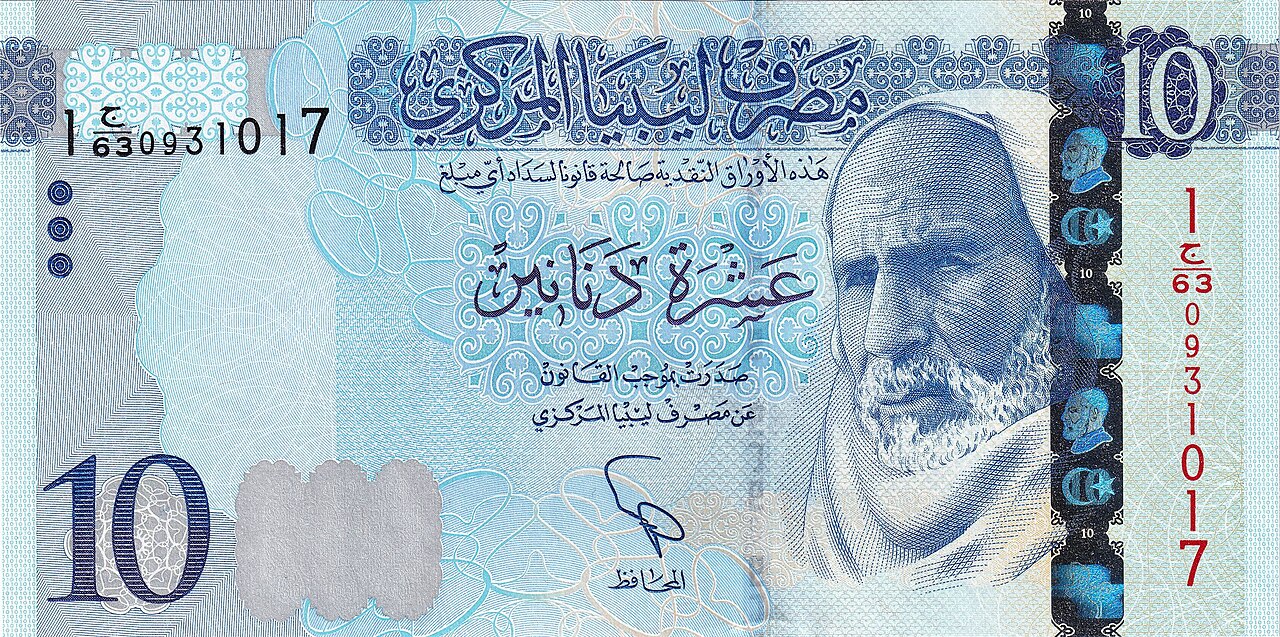
The Oil Revenue Row at the Central Bank
On Thursday the central bank said it had received US$361 million in oil revenue from 1 to 14 October. It linked the figure to higher world oil prices.
The National Oil Corporation, the state company that runs Libya’s oil sector, said the figure did not show the full flow. It said it had moved about US$1.23 billion to the sovereign account at the Libyan Foreign Bank by 13 October, Al Marsad reported.
The corporation said fuel import credits are deducted first under Cabinet Decision No. 525 of 2026, and the rest goes to the central bank. It also said it told the governor on 8 October that transfers had passed US$700 million.
The corporation accused the central bank of withholding approved budgets and asked the Attorney General for an independent investigation. It linked the row to fuel subsidy pressure raised in the UN envoy’s Security Council briefing on 14 October.
Neither statement mentioned the street rate of the dinar. Oil sales are the main source of the Libya dollar supply, so doubts about transfers matter to currency traders.
Why Washington Is Watching the Central Bank
On Monday 12 October, Governor Issa met Eric Meyer, a US Assistant Secretary of the Treasury, at the IMF and World Bank meetings in Bangkok. They discussed a review of letters of credit that the central bank runs with the risk consultancy K2 Integrity, the Libya Herald reported.
Letters of credit are bank guarantees that let importers pay foreign suppliers. The talks also covered how fuel smuggling and illicit money flows affect the foreign exchange market.
The Libya Herald said the US side reaffirmed support for the central bank’s independence. On Tuesday 13 October, a US Federal Reserve delegation welcomed the resumption of foreign currency shipments to Libya, the Libya Observer reported.
The delegation noted that no violations had been reported in how banks distribute those dollars. Libya also detained 6 bank officials over a US$1.3 million loan in a separate case.
A Proposed Pay Rise Adds Pressure
Helmi Al-Gmati, an economics professor at Benghazi University, warned on 15 October that inflation could erode a proposed 10% wage rise, Al Marsad reported. He said higher pay without stable revenue could widen the budget deficit and pressure the exchange rate.
Rival governments in Tripoli and the east have strained public finances for years. The central bank is working to implement a unified public spending agreement, the Libya Herald reported.
What It Means for US Readers
Libya sells its oil for dollars, so dollars that reach the central bank support the official rate. For a US company or traveller paying local costs in cash, the Libya dollar buys about 60% more dinars on the street.
Treasury and Federal Reserve contacts show Washington wants Libyan banks to meet international compliance standards. Oil and banking investors will watch for new dollar sales by the central bank and a settlement of the revenue dispute.
What Is Not Known
Al Wasat gave no reason for the one-day jump in the Libya dollar rate and quoted no official on the new street price. The central bank has not announced a response, such as extra dollar sales.
It is open whether the Attorney General will start the investigation the oil corporation requested. It is also unclear how the central bank and the corporation will reconcile US$361 million with about US$1.23 billion.
More: Libya news in English, every day from The Rio Times.
Frequently Asked Questions
What is the Libya parallel market?
It is the unofficial street trade in foreign currency, run by dealers outside the banks. It sets the Libya dollar price many people pay in cash. Its prices come from traders and are reported daily by Libyan news sites such as Al Wasat.
What is the official dollar rate in Libya?
The Central Bank of Libya listed the dollar at 6.4081 dinars (about US$1) to buy and 6.4403 dinars (about US$1) to sell on 15 October. That is the official Libya dollar rate, and the street price is about 60% higher.
Why is the Libya dollar so much more expensive on the street?
An economist quoted by Erem Business in February blamed political division, while the central bank has warned about double public spending and falling oil revenue. The central bank also cut the dinar’s official value by 14.7% in January.
Who runs the Central Bank of Libya?
Naji Issa is the governor, and he met US Treasury and Federal Reserve officials in Bangkok on 12 and 13 October. The bank sets the official exchange rate and sells foreign currency to commercial banks.
What is the National Oil Corporation?
It is Libya’s state oil company, which runs the oil sector and sends its export revenue to the sovereign account. On 15 October it asked the Attorney General to investigate the central bank’s revenue figures.
Sources: Al Wasat (Arabic), parallel market rates, 15 October 2026; Central Bank of Libya, exchange rates and news, 15 October 2026; Al Marsad (Arabic), central bank and National Oil Corporation statements, 15 October 2026; Al Marsad (Arabic), wage rise warning, 15 October 2026; Libya Herald, governor meets US Treasury official, 12 October 2026; Libya Observer, central bank and US Federal Reserve, 13 October 2026; Erem Business (Arabic), street dollar and January devaluation, 20 February 2026.
This article was produced by The Rio Times’ automated newsroom system. How we use AI · Report an error · Editorial responsibility: Matthias Camenzind, Editor-in-Chief
LatAm Markets: Live Signals → — real-time movers, turnover leaders and FX across Latin America.