IBOV 205,835.29 ▼ 0.52% IPSA 11,164.13 ▲ 0.36% IPC MEX 65,312.46 ▲ 0.52% MERVAL 2,896,853 ▲ 0.95% COLCAP 2,589.04 ▲ 0.25% BVL PERÚ 60,220.93 ▲ 0.91% USD/BRL4.98▼ 0.12% USD/MXN18.05▲ 0.36% USD/CLP971.50▼ 0.11% USD/COP3,232▲ 0.75% USD/PEN3.44▼ 0.20% USD/ARS1,520— 0.00% USD/UYU40.09▲ 2.87% USD/PYG5,835▲ 3.25% USD/BOB11.90▲ 2.31% USD/DOP60.10▲ 4.07% USD/CRC454.50▲ 2.57% USD/GTQ7.64▲ 3.36% USD/HNL26.86▲ 3.49% USD/NIO36.62▲ 0.26% USD/VES871.68▲ 0.04% USD/PAB1.00— 0.00% USD/BZD2.00— 0.00% USD/JMD 157.28 — 0.00% USD/TTD6.68▲ 1.99% EUR/BRL5.59▼ 0.35% BRENT 88.88 ▼ 0.03% WTI 83.11 ▼ 0.11% IRON ORE 161.91 — — COPPER 6.61 ▲ 0.03% GOLD 4,461 ▲ 1.78% SILVER 65.59 ▲ 1.26% SOY 1,184 ▲ 3.20% CORN 480.50 ▲ 10.02% WHEAT 655.00 ▲ 3.93% COFFEE 317.25 ▼ 5.51% SUGAR 16.43 ▼ 1.79% ORANGE JUICE 138.55 ▼ 0.47% COTTON 85.03 ▲ 2.33% COCOA 5,719 ▲ 3.18% BEEF 223.60 ▼ 3.93% CATTLE 339.10 ▼ 3.16% LITHIUM 75.20 ▲ 1.47% PETR4 41.64 ▼ 0.05% VALE3 72.97 ▲ 0.83% ITUB4 38.60 ▼ 1.03% BBDC4 16.85 ▲ 0.36% ABEV3 14.89 ▼ 0.80% BBAS3 19.37 ▲ 0.47% B3SA3 14.26 ▼ 0.21% WEGE3 47.59 ▲ 0.49% PRIO3 59.14 ▼ 0.19% SUZB3 41.33 ▲ 2.35% RENT3 34.68 ▼ 0.09% AZZA3 15.89 ▼ 2.63% CSAN3 3.22 ▼ 1.83% RAIZ4 0.25 — 0.00% PCAR3 2.75 ▼ 0.36% GMAT3 3.65 ▼ 1.08% PSSA3 48.13 ▼ 0.54% CVCB3 1.33 ▼ 2.92% POSI3 3.36 ▲ 2.44% SLCE3 13.34 ▲ 0.30% NATU3 8.14 ▼ 0.73% IBOV 205,835.29 ▼ 0.52% IPSA 11,164.13 ▲ 0.36% IPC MEX 65,312.46 ▲ 0.52% MERVAL 2,896,853 ▲ 0.95% COLCAP 2,589.04 ▲ 0.25% BVL PERÚ 60,220.93 ▲ 0.91% USD/BRL 5.16 ▲ 0.01% USD/MXN 17.06 ▼ 0.24% USD/CLP 913.98 ▲ 0.04% USD/COP 3,140 ▲ 0.03% USD/PEN 3.36 ▼ 0.66% USD/ARS 1,493 ▲ 0.10% USD/UYU 40.27 ▲ 1.24% USD/PYG 5,939 ▲ 1.68% USD/BOB 11.64 ▼ 0.76% USD/DOP 58.34 ▲ 1.25% USD/CRC 445.92 ▲ 0.89% USD/GTQ 7.62 ▲ 2.21% USD/HNL 26.79 ▲ 1.57% USD/NIO 36.62 ▲ 0.69% USD/VES 762.44 ▼ 0.13% USD/PAB 1.00 — 0.00% USD/BZD 2.00 — 0.00% USD/JMD 157.28 — 0.00% USD/TTD 6.70 ▲ 0.61% EUR/BRL 5.95 ▲ 1.01% BRENT 88.88 ▼ 0.03% WTI 83.11 ▼ 0.11% IRON ORE 161.91 — — COPPER 6.61 ▲ 0.03% GOLD 4,461 ▲ 1.78% SILVER 65.59 ▲ 1.26% SOY 1,184 ▲ 3.20% CORN 480.50 ▲ 10.02% WHEAT 655.00 ▲ 3.93% COFFEE 317.25 ▼ 5.51% SUGAR 16.43 ▼ 1.79% ORANGE JUICE 138.55 ▼ 0.47% COTTON 85.03 ▲ 2.33% COCOA 5,719 ▲ 3.18% BEEF 223.60 ▼ 3.93% CATTLE 339.10 ▼ 3.16% LITHIUM 75.20 ▲ 1.47% PETR4 41.64 ▼ 0.05% VALE3 72.97 ▲ 0.83% ITUB4 38.60 ▼ 1.03% BBDC4 16.85 ▲ 0.36% ABEV3 14.89 ▼ 0.80% BBAS3 19.37 ▲ 0.47% B3SA3 14.26 ▼ 0.21% WEGE3 47.59 ▲ 0.49% PRIO3 59.14 ▼ 0.19% SUZB3 41.33 ▲ 2.35% RENT3 34.68 ▼ 0.09% AZZA3 15.89 ▼ 2.63% CSAN3 3.22 ▼ 1.83% RAIZ4 0.25 — 0.00% PCAR3 2.75 ▼ 0.36% GMAT3 3.65 ▼ 1.08% PSSA3 48.13 ▼ 0.54% CVCB3 1.33 ▼ 2.92% POSI3 3.36 ▲ 2.44% SLCE3 13.34 ▲ 0.30% NATU3 8.14 ▼ 0.73%
since 2009
Wednesday, October 7, 2026

Brazil Politics - Brazil

Latin America’s Struggle for Energy Independence Amid Geopolitical Tensions

By · June 10, 2024 · 2 min read

Latin America stands at a critical juncture in the global energy landscape. Region has renewable energy potential but hampered by global conflicts and internal geopolitical instability.

Analysts highlight geopolitical turmoil’s significant impact, notably conflicts in Ukraine and Gaza, on the region’s energy strategy.

These conflicts not only magnify the reliance on fossil fuels but also stifle the flow of investment needed for advanced renewable projects.

In 2022, the International Energy Agency (IEA) noted a nearly 50% increase in global renewable capacity.

Yet, true transition remains a distant goal without a corresponding decrease in fossil fuel consumption and investment.
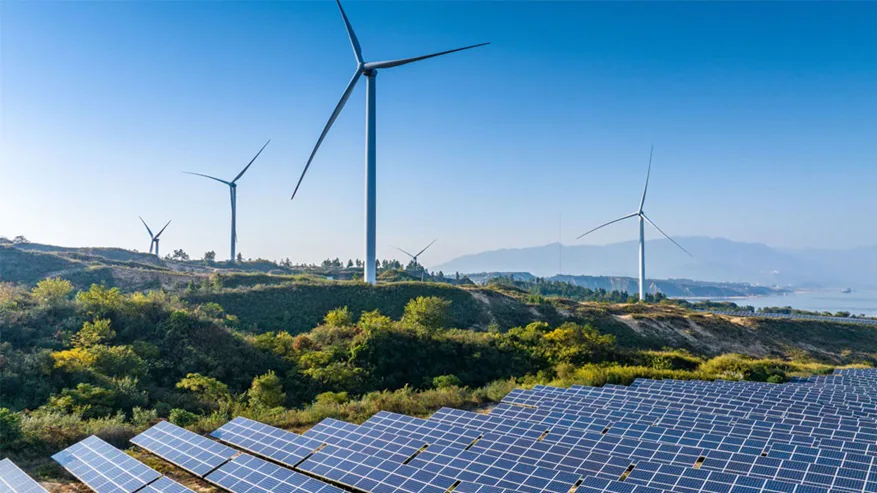
Latin America's Struggle for Energy Independence Amid Geopolitical Tensions
Latin America’s Struggle for Energy Independence Amid Geopolitical Tensions.
RT
Ask Rio Times
This story and the bigger picture.
Open the full Ask Rio Times →

Current geopolitical instability, including Russia’s aggression in Ukraine and ongoing tensions in the Middle East, drives volatility in energy prices and disrupts supply.

The LatAm Brief

One email, every weekday morning. What moved in Latin American markets, politics and expat life.

Yesterday’s subject line: “Brazil stocks jump 7.7%, real up 4%, after the vote”

Free. We send a confirmation link first — nothing arrives until you click it. Unsubscribe with one click in any edition. If you stop opening us for 30 days we stop sending by ourselves, as we assume the interest is no longer there. See our privacy policy. We never share your email.

This directly influences Latin America’s energy scenario. Vásquez emphasizes that achieving energy self-sufficiency is pivotal yet fraught with challenges.

Despite the IEA’s prediction of a peak in fossil fuel demand by 2030, the reality on the ground reflects resilience in oil and gas projects globally.

Top producers exploit short-term gains from fossil fuels, hindering the transition to renewable energy despite potential gains.

The dependency on oil revenues in countries like Brazil and Mexico ties fiscal health closely to fossil fuel industries, presenting economic risks to any abrupt policy shifts.

These conditions make fossil fuels a seemingly attractive option, despite the broader global push for a transition.

Latin America’s Renewable Energy Challenge

The economic landscape, marked by weakness and scant international cooperation, further strains Latin America’s capacity to pivot to renewable energy.

According to the IEA, reaching Latin America‘s carbon emission reduction targets by 2030 would necessitate a colossal investment of $150 billion, expected to increase fivefold by 2050.

Fatih Birol, the IEA’s executive director, suggests that the region can leverage its unique position to boost local economies and secure a more stable global energy framework.

Yet, translating this potential into action is hindered by insufficient funding and weak international collaboration.

For example, the Latin American Energy Organization (OLADE) struggles with enforcement capabilities.

Additionally, global competition from heavyweights like the U.S., China, and the EU stymies regional efforts. The road to a cleaner energy future in Latin America is fraught with obstacles.

Yet, the pursuit of an energy transition remains critical for the region’s economic stability and environmental sustainability.

This article was produced by The Rio Times’ automated newsroom system. How we use AI · Report an error · Editorial responsibility: Matthias Camenzind, Editor-in-Chief

The Rio Times · Power Map
See who really holds power in Latin America
Click to open the Power Map →

Rotate for Best Experience

This report is optimized for landscape viewing. Rotate your phone for the full experience.