Emerging market currencies declined on Friday due to a strong U.S. jobs report indicating sustained high global interest rates.
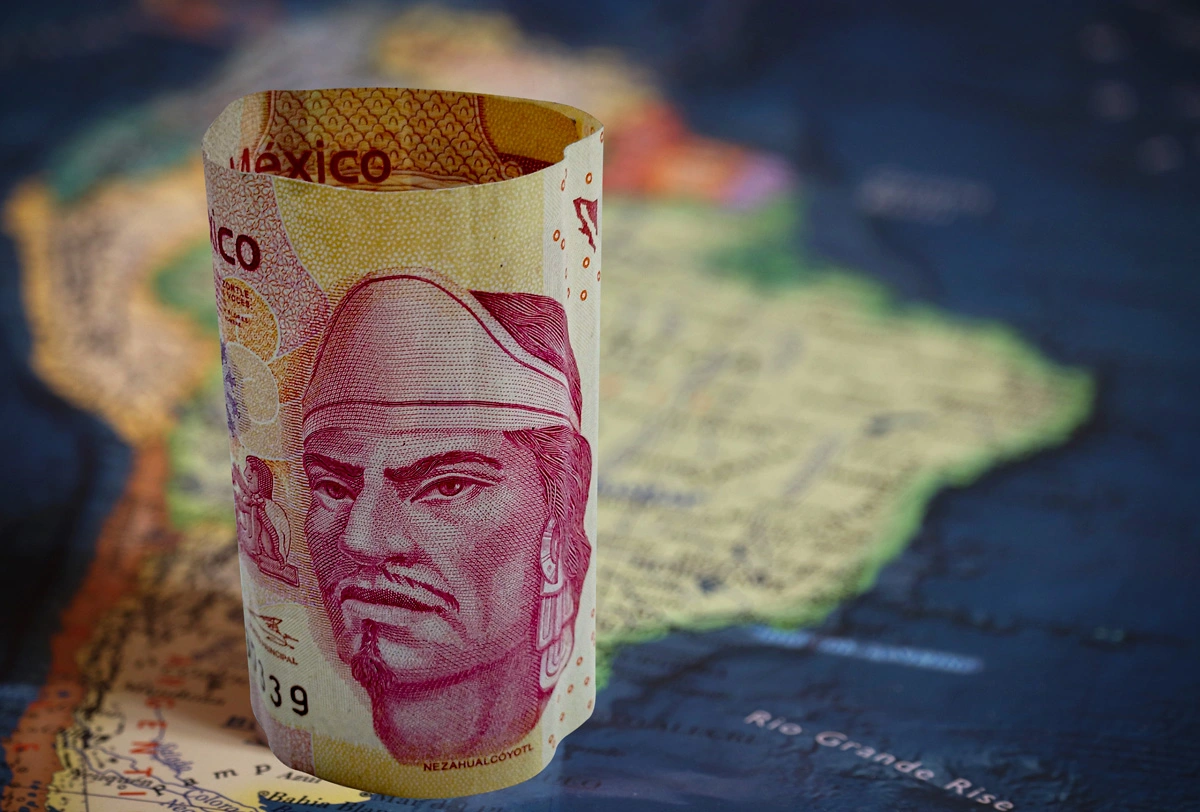
Stocks also faltered, while credit risk surged. Latin American currencies, especially the Mexican and Chilean pesos, led the downturn.
Poor returns in 18 key emerging currencies were noted. Concerns from North Africa to Latin America fueled this drop.
“Today’s data might prompt another U.S. rate hike in November,” said Brendan McKenna, a strategist at Wells Fargo.
He noted that rate differences are now tilting towards the U.S. dollar. Investors also saw losses in stocks and bonds this week.
About $266 billion in shareholder value vanished. Rising U.S. yields hurt borrowing costs for poorer nations, hitting pandemic-era levels.
If this trend holds, investors could face consecutive quarterly losses for the first time since 2015.
Emerging stocks might reach their lowest level compared to U.S. shares since 2001. Bond yields could rise for a third straight year.
Citigroup strategists suggest caution. They advise waiting for clear signs that U.S. rates have peaked.
Debt worries have returned to emerging markets. Egypt received a warning from IMF’s Kristalina Georgieva.
Moody’s downgraded Egypt, leading its bonds to perform poorly on Friday.
Investors speculate Ethiopia might default next, putting its dollar bonds at risk. In Hungary, yields rose as recession signs grew.
In Mexico, policy shifts surprised markets and hurt the peso. Rising oil prices weighed on currencies like the Colombian peso.
Last week, BlackRock’s key fund lost 8% of its assets, marking a four-year worst.
Background Emerging Currencies
This week’s events impact more than just currency markets. Locally, countries like Mexico and Chile may revisit their economic strategies.
In a global context, these fluctuations can signal a shift in investor confidence.
Comparatively, the U.S. dollar remains a stable asset, attracting more global investment. Meanwhile, emerging markets may find it tougher to attract foreign capital.
As for analysis, experts might interpret this as a precursor to a more extensive financial downturn in emerging markets.
It may also hint at a global shift towards safer investments, further boosting the U.S. dollar.
The growing debt crisis in countries like Egypt and Ethiopia could potentially trigger a more comprehensive emerging markets crisis.
More: Brazil news in English, every day from The Rio Times.
This article was produced by The Rio Times’ automated newsroom system. How we use AI · Report an error
Read More from The Rio Times