Caixa Workers Vote on Offer to End Their Strike at Brazil’s State Bank
Key Facts
Brazil’s 2026 bank pay round is almost over, but staff at one state lender have been on strike since 10 September. On Monday they vote on a new offer centred on their health plan.
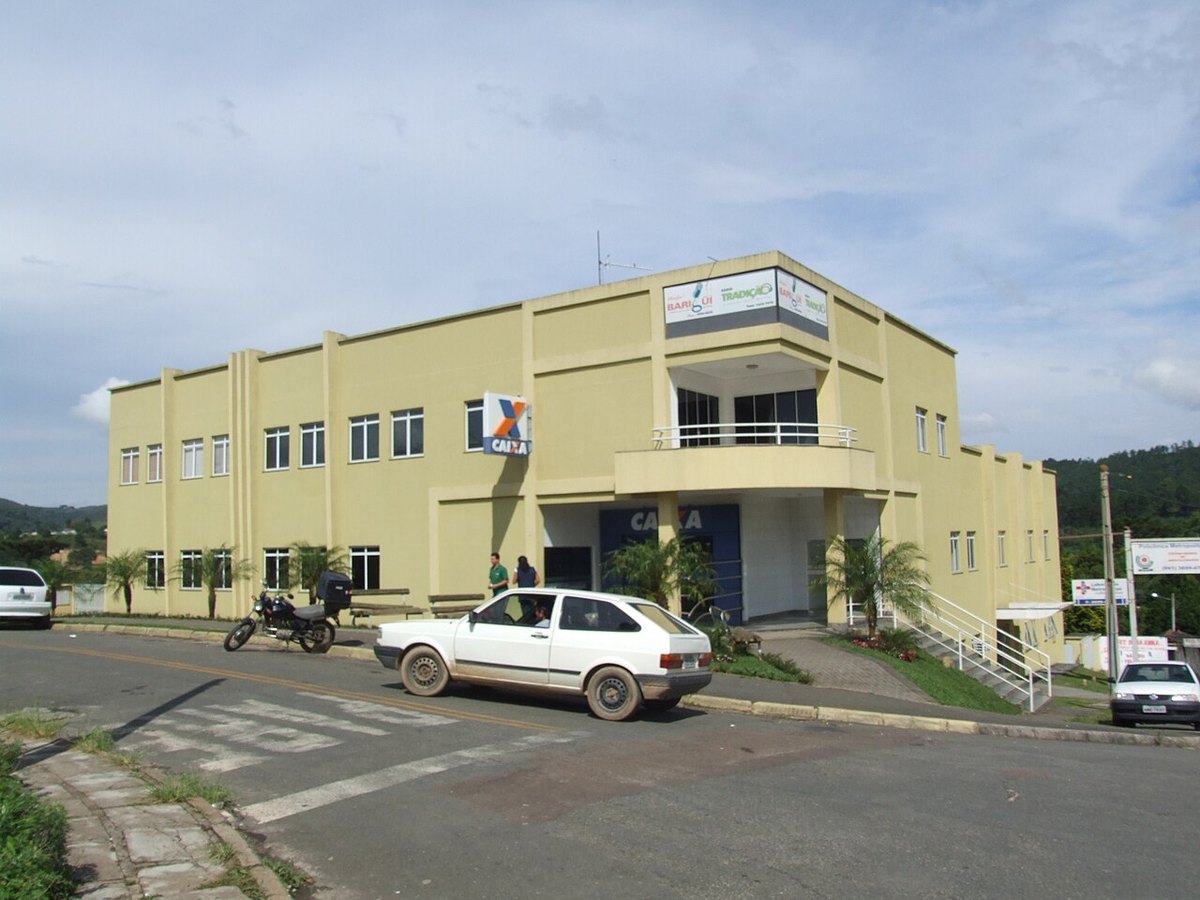
Employees of Caixa Econômica Federal, Brazil’s largest state-owned retail bank, vote online on 21 September on a new offer. Voting runs from 11:00 to 18:00, and approval would end a strike that began on 10 September, Agência Brasil reported.
Why This Matters
Caixa pays federal social benefits, finances much of Brazil’s housing and runs the national lottery. A strike there hits low-income customers and home buyers harder than a stoppage at a private bank.
Founded in 1861 under Emperor Pedro II, it is Latin America’s largest fully state-owned financial institution. It had about 86,000 employees in 2021 and holds more than 146 million accounts.
The national deal for all banks was signed on 9 September with Fenaban, the banks’ employers’ federation. It gives inflation plus 0.6% in real terms in 2026 and again in 2027, the Fenae staff association reported.
Banco do Brasil staff approved their own agreement and returned to work around 14 September. As The Rio Times reported on 14 September, the Caixa dispute is about health cover, not pay.
Live Company IntelligenceBanco do Brasil S.A. — the full investor dossier
Valuation & profitability
Price & risk
$17.6752-wk high
$27.36
Revenue trend · 6y
Ownership
Dividend
How the Strike Unfolded
Caixa staff walked out on 10 September, one day after the national agreement was signed. By 15 September, 66 Caixa branches were still closed in Espírito Santo alone, the news site Século Diário reported.
Banco do Brasil employees had voted on 13 September, with 76% approving their collective agreement, the same outlet said. Caixa’s first health proposal would have raised staff contributions from 3.5% to 4.5% of base pay, the outlet said.
It would also have doubled the emergency-room co-payment from R$75 (US$15) to R$150 (US$29). The annual family cap on co-payments would have risen from R$3,600 (US$698) to R$4,800 (US$931).
André Tosta, a director of the Espírito Santo bank workers’ union, called the bank’s first message a threat. Caixa later withdrew that directive and asked to resume talks, Século Diário reported.
What Is on the Table
Caixa now offers to raise its contribution to the Saúde Caixa staff health plan from 6.5% to 9% of payroll from 2027. Juvandia Moreira, who heads the Contraf-CUT bank workers’ confederation, said that means about R$900 million (US$175 million) more from Caixa.
There would be no premium rises in 2026, and the bank would cover any deficit in the plan. The São Paulo bank workers’ union put that projected 2026 deficit at R$685 million (US$133 million).
From 2027, staff would pay 3.7% of base salary, and each direct dependant would cost R$560 (US$109) a month, SBT News reported. The age-based charges in earlier offers are gone, replacing them with a single rate for all ages.
The emergency-room co-payment would fall from R$150 (US$29) to R$120 (US$23), and telemedicine would stay free. Workers still want Caixa to return to a 70-30 split of plan costs between bank and staff, Correio Braziliense reported.
Dollar values use the Central Bank’s PTAX rate of R$5.1575 per dollar on 18 September 2026. Caixa said the proposal preserves the interests of employees, the institution, clients and Brazilian society, SBT News reported.
Why Health Cover Is the Sticking Point
Saúde Caixa costs were historically split 70% for the bank and 30% for staff, the São Paulo union says. That balance eroded after a 2017 statutory ceiling capped Caixa’s share at 6.5% of payroll.
The union says a move to 9% is a 38% increase in the bank’s contribution. It concedes, however, that the offer does not fully restore the old 70-30 model.
More than 650 São Paulo workers took part in a plenary session to question the offer, the union reported. Juvandia Moreira called the rise to 9% an important advance because it is a recurring increase, Agência Brasil reported.
Other Terms in the Offer
Staff who qualify for the Super Caixa bonus would receive 50% of the award, up from 25%. The bonus would be based on individual targets rather than penalising whole teams, the São Paulo union said.
Caixa would drop requirements under its Alcance.Caixa programme for merit promotions. Each merit step is worth about 2.31% of salary, with steps payable in January 2027 and January 2028.
Indirect dependants would cost between R$660 (US$128) and R$900 (US$175) a month, SBT News reported. The bank would also create a dedicated staff post for Saúde Caixa and hold monthly monitoring meetings.
Three Offers Compared
In the São Paulo union’s comparison, Caixa’s first offer set staff contributions between 2.7% and 4.5%, rising with age. The second cut that range to between 2.3% and 4.1%, and fixed the bank’s share at 8%.
The third offer moves to a flat 3.7% and lifts the bank’s share to 9% from 2027. The monthly charge for a retiree’s dependant fell from R$660 (US$128) to R$640 (US$124), then to R$560 (US$109).
The São Paulo union’s leadership recommends approval, citing important gains in the negotiations. It also notes that careers, remote work and protections for staff hired after 2018 remain unresolved.
How the Vote Works
Voting takes place online between 11:00 and 18:00, after a virtual plenary session opening at 10:00. In São Paulo, both union members and non-members at Caixa may vote, the local union said.
The deal would cover the 2026 to 2028 period of Caixa’s collective labour agreement. A one-day stoppage on 20 August would be paid, and other strike days made up within 180 days.
The national agreement with Fenaban also runs from 2026 to 2028, according to Fenae. Banco do Brasil staff have already signed their own agreement, valid until 2028, the São Paulo union reported.
What It Means for Customers
Caixa has directed customers to its app, internet banking, ATMs, lottery outlets and Banco24Horas machines. Foreign residents who need in-person services, such as account opening, should expect delays until branches reopen.
Seu Dinheiro reported that the strike has also affected the collection of lottery prizes at branches. Winners of the R$300 million (US$58.2 million) Lotofácil da Independência draw were among those affected, the outlet said.
If the offer passes, profit-share and the R$3,000 (US$582) bonus would be paid by 30 September, the outlet said. Home buyers waiting on Caixa mortgage paperwork should check with their branch before assuming normal timelines.
What Is Not Yet Known
The result of Monday’s vote had not been announced at the time of writing. It is also unclear how quickly all branches would reopen if the offer is approved.
Unions in other regions hold their own assemblies, so results could differ between states. It is not known what Caixa will do if staff reject the third offer.
Frequently Asked Questions
Why does the Caixa strike matter?
Caixa pays welfare benefits, finances much of Brazil’s housing and runs the lottery. A long strike delays services for millions of low-income customers.
Are all Brazilian banks on strike?
No. Private banks and Banco do Brasil have settled, and only Caixa staff remain on strike.
Why are Caixa workers striking?
The dispute is over the cost of the Saúde Caixa staff health plan. The pay rise itself was agreed nationally on 9 September.
What happens if workers approve the offer?
The strike would end and branches would reopen. Strike days would be made up within 180 days, and bonuses paid by 30 September.
Sources: Agência Brasil, Caixa workers to vote on ending the strike, SBT News, details of the new offer and customer channels, Correio Braziliense, workers’ 70-30 demand, Fenae, national agreement signed with Fenaban, Seu Dinheiro, new vote date, lottery prizes and bonus timing, Século Diário, Banco do Brasil staff return to work, São Paulo Bank Workers’ Union, the three offers compared, São Paulo Bank Workers’ Union, the offer point by point, São Paulo Bank Workers’ Union, plenary questions and answers, São Paulo Bank Workers’ Union, 21 September assembly, São Paulo Bank Workers’ Union, news page, Wikipedia, Caixa Econômica Federal, Banco Central do Brasil, PTAX dollar rate
This article was produced by The Rio Times’ automated newsroom system. How we use AI · Report an error
Read More from The Rio Times