Kano–Katsina Rail Nears Opening With Land Claims Unsettled
NIGERIA · INFRASTRUCTURE
Key Facts
- —The project The Kano–Maradi railway, running Kano–Katsina–Jibiya–Maradi with a Dutse branch.
- —The status The Kano–Katsina section is 80% complete, with December 2026 commissioning described by the ministry as sacrosanct.
- —The obstacle Land disputes and communities that have not accepted provisions under the Land Use Act.
- —The compensation record N12.31 billion paid to 16,032 of 19,284 enumerated persons, leaving 3,252 uncompensated.
- —The court A Kano State High Court order, first reported on 8 April 2025, halted work on one section pending due process.
- —The financing US$1.8 billion arranged with Rand Merchant Bank and the Africa Finance Corporation. Not Chinese.
Eighty percent complete with a December opening, and three thousand people along the route still not paid. Both of those are official figures.
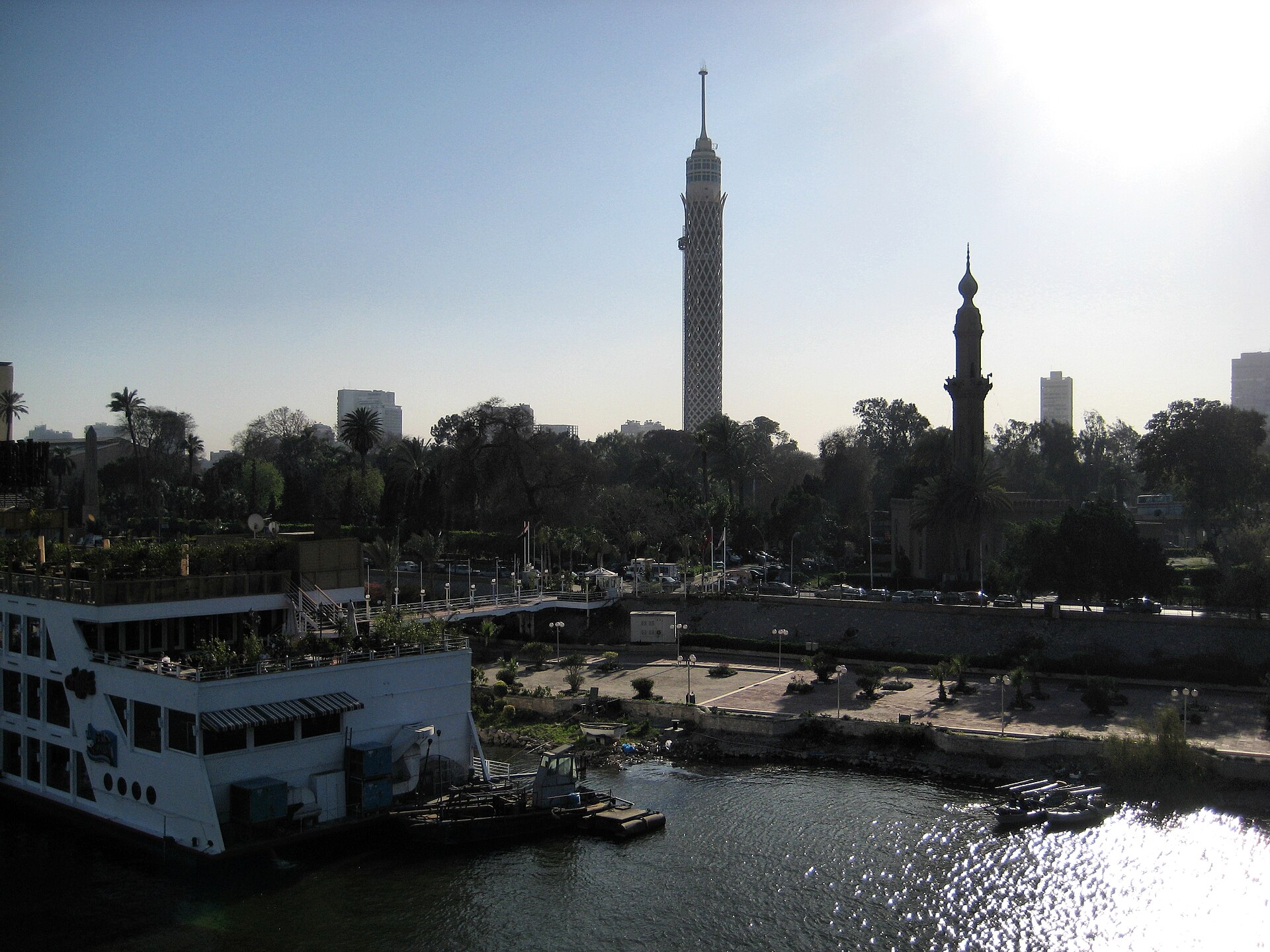
Nigeria’s federal transportation ministry says the Kano to Katsina section of the Kano–Maradi railway is 80% complete and will be commissioned in December, while land disputes along the corridor remain unresolved and thousands of enumerated claimants remain uncompensated.
Where the Project Stands
As of 28 August 2026 the Federal Ministry of Transportation put the Kano–Katsina section at 80% complete and described December 2026 commissioning as sacrosanct. The extension to Maradi in Niger Republic is targeted for the end of 2027.
Officials have acknowledged that disputes over land and canal areas, and communities that have yet to accept provisions relating to the Land Use Act, are slowing construction.
The alignment runs Kano to Katsina to Jibiya to Maradi, with a branch to Dutse. Length is given as 283.75 kilometres for the Nigerian section and 374 kilometres in total, with project cost commonly cited at US$1.96 billion.
The Compensation Record
A resettlement audit by Windforce Safeguards Limited, reported in September 2024, found that of N20.325 billion set aside for asset valuation, N12.31 billion had been paid to 16,032 of 19,284 enumerated persons, leaving 3,252 uncompensated.
About 32% of those interviewed said they were dissatisfied and 78% said they did not know how their assets had been valued, learning the amount only at disbursement.
N12.31 billion was worth roughly US$7.4 million at the rate prevailing when the audit reported in September 2024, though the payments were spread across a period in which the naira lost much of its value. Against a project costed at US$1.96 billion, that averages about US$460 for each person compensated.
What the Court Actually Ordered
A restraining order made by Justice Usman Na Abba of the Kano State High Court, first reported on 8 April 2025, halted work on land belonging to residents of Kuyan Ta Inna on the Kano–Daura alignment.
The order was an injunction, not a compensation award. It held that construction must follow due legal process, including consultation with landowners and adequate compensation, and named the federal ministries of works and transport and the project’s compensation consultant.
It was brought by the Kano Property Agent Development Association. Its chairman, Isa Jibrin Isa, said the community was open to dialogue and ready to sign a compensation agreement, but only on the basis of fair valuation. Counsel Usman Baito said proceeding without those steps would breach the constitution.
How the Valuations Were Set
An environmental and social due diligence report prepared by Environmental Resources Management and EnvAccord for the Africa Finance Corporation and its lenders, dated 2 August 2024, states that compensation rates for structures, crops and trees are based on government rates with no adjustment for inflation.
That is the mechanism behind the dissatisfaction the audit recorded. A rate set years before a payment is made, in a currency that has depreciated sharply, does not buy what it was calculated to buy.
The same report projects the loss of 12,695 residential houses and 2,064 complementary assets, and 19,238 economically displaced persons — a count that differs slightly from the audit’s 19,284 enumerated persons because the two documents measure different things.
Who Is Building and Paying for It
The engineering contractor is Mota-Engil Africa. The US$1.8 billion financing package closed in June 2026 with Rand Merchant Bank as global coordinator and initial mandated lead arranger and the Africa Finance Corporation as a key partner, alongside an African Development Bank loan of US$350 million approved in October 2024 and about US$250 million from the Development Bank of Southern Africa.
There is no Chinese financing or Chinese contractor on this line. The confusion arises from the separate Kano–Kaduna section of the Nigerian Railway Modernization Project, built by CCECC with China Eximbank credits.
What to Watch
The December commissioning date is the first test. A section opened while landowners along it remain unpaid invites litigation of exactly the kind that halted work in 2025.
The second is whether the remaining 3,252 claims are settled before the Maradi extension begins, or whether the same valuation method is carried into it.
More: Africa news in English, every day from The Rio Times.
Frequently Asked Questions
How far along is the railway?
The Kano–Katsina section is 80% complete, with commissioning targeted for December 2026 and the Maradi extension for end-2027.
How many people are still uncompensated?
3,252 of 19,284 enumerated persons, according to a September 2024 resettlement audit.
What did the 2025 court order do?
It restrained construction on land at Kuyan Ta Inna pending due process, consultation and adequate compensation. It did not award a sum.
How were compensation rates set?
On government rates with no adjustment for inflation, according to the lenders’ environmental and social due diligence report.
Who is financing it?
A US$1.8 billion package arranged with Rand Merchant Bank and the Africa Finance Corporation, plus US$350 million from the African Development Bank. There is no Chinese financing on this line.
Sources: ThisDay, Leadership, Tribune Online, BusinessDay, African Development Bank, Environmental Resources Management and EnvAccord.
This article was produced by The Rio Times’ automated newsroom system. How we use AI · Report an error
LatAm Markets: Live Signals → — real-time movers, turnover leaders and FX across Latin America.
Read More from The Rio Times