Trump Says He Will Remove US Tariffs on Irish Whiskey
TRADE · UNITED STATES
Key Facts
- —What was said Trump said he would take the tariffs off Irish whiskey.
- —Where The trophy presentation of the Amgen Irish Open at Doonbeg, County Clare, on Sunday 13 September 2026.
- —The tariff 10%, imposed on most European Union goods on 24 July 2026 under Section 301 of the Trade Act of 1974.
- —What is missing No executive order, no Federal Register notice and no implementation date.
- —The precedent A similar pledge on Scotch made on 30 April 2026 took until 24 July to take legal effect.
- —The stake Irish whiskey exports fell 5% in 2025 to about US$1.09 billion, with the United States share of value down from 49% in 2023 to 38%.
The pledge is real and the mechanism to deliver it does not yet exist. Last time the gap was twelve weeks.
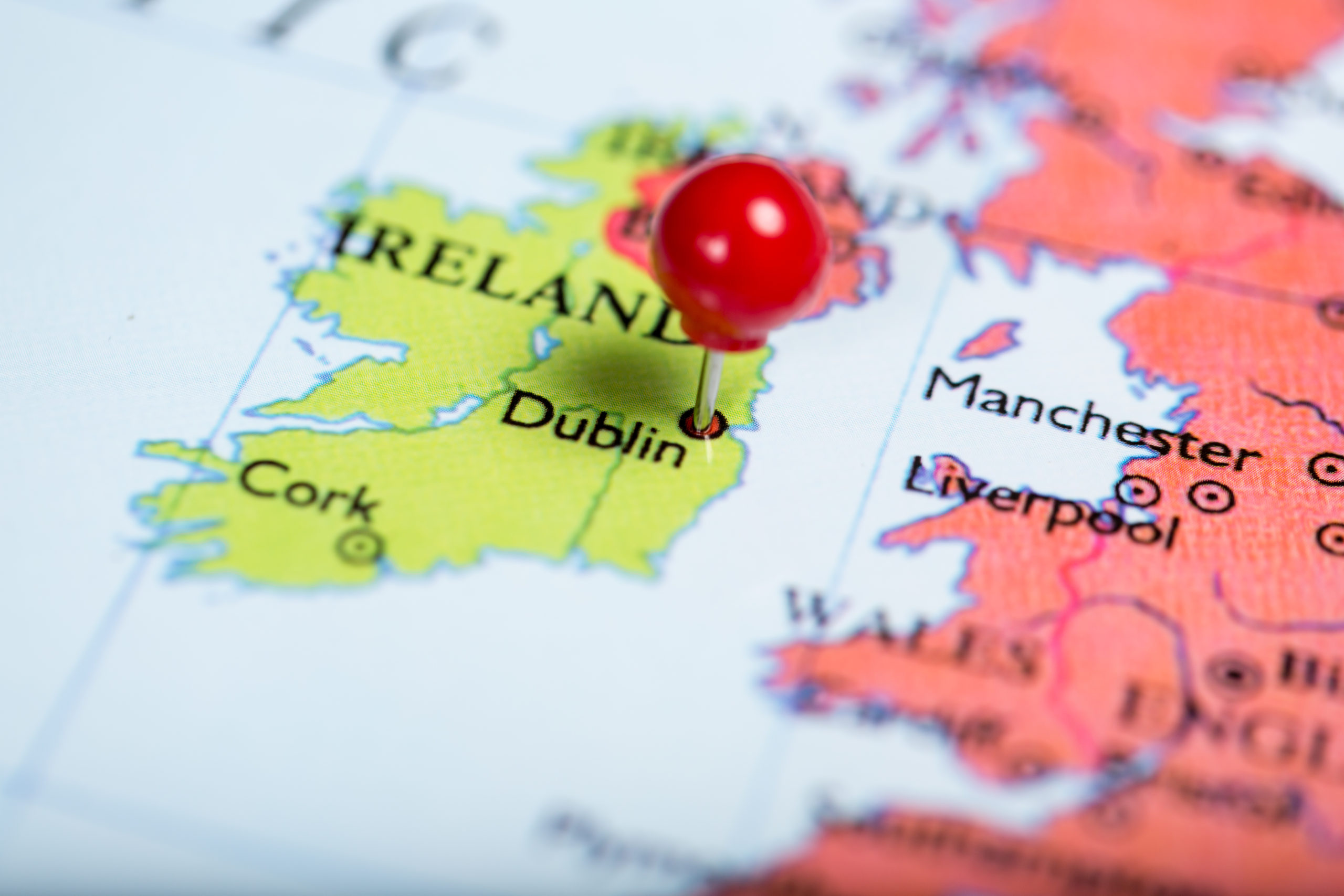
President Donald Trump said he would remove the United States tariff on Irish whiskey, speaking at a golf trophy presentation in County Clare, without setting a date or issuing the legal instrument that would be needed to do it.
What He Said and Where
Trump made the remark at the trophy presentation of the Amgen Irish Open at Trump International Golf Links, Doonbeg, County Clare, on Sunday 13 September 2026, where he handed the trophy to Shane Lowry after the Offaly golfer’s record eleven-stroke victory.
He said Taoiseach Micheál Martin, Lowry and others had been bugging him about the tariff. Martin had met Trump in Dublin on Saturday 12 September at the start of a two-day official visit; neither Martin’s office nor Lowry has independently described a lobbying effort.
What the Tariff Actually Is
The duty is 10%, and it is not a whiskey tariff. It is the additional duty the United States Trade Representative imposed on most European Union goods on 24 July 2026 under Section 301 of the Trade Act of 1974, following forced-labour investigations covering 60 economies.
The European Union was placed in the 10% tier rather than the 12.5% tier because it committed to adopt and enforce forced-labour import prohibitions. Whiskey’s most-favoured-nation rate is free, so the applied rate is the full 10%.
Removing it for Irish whiskey requires a formal modification of that Section 301 action, published in the Federal Register. No such notice had been issued as of 14 September 2026, and neither the White House nor the trade representative has given a date.

How the Rate Got Here
European Union spirits carried a 15% United States tariff from 1 August 2025 under the framework agreed that summer. The Supreme Court struck down the tariffs imposed under emergency economic powers on 20 February 2026, and collection stopped on 24 February.
It was replaced the same day by a 10% global tariff under Section 122, which expired at its 150-day statutory limit on 24 July 2026 — the day the Section 301 duties took effect. The separate framework sets a 15% all-inclusive ceiling on European Union goods from 1 July 2026 through 2029.
The Scotch Precedent
Trump announced on 30 April 2026, the final day of King Charles III’s state visit to Washington, that he would drop the 10% tariff on Scotch.
The relief took legal effect on 24 July 2026, when the trade representative’s Section 301 notice exempted United Kingdom-origin whiskey, implementing a commitment in the economic agreement reached with London in April. Twelve weeks passed between the statement and the instrument.
That exemption covers whiskies from Northern Ireland as well as Scotland, England and Wales. The Irish Whiskey Association noted on 1 May 2026 that Irish Whiskey is a protected geographical indication covering the whole island, so the same protected product may attract two different United States tariffs depending on which side of the border it is made.
What Is at Stake
Irish whiskey exports fell 5% in 2025 to about €930 million, roughly US$1.09 billion, from a record €1 billion in 2024. Volumes were 16.4 million nine-litre cases in 2025, of which about 5.47 million went to the United States.
The United States share of Irish whiskey export value has fallen from 49% in 2023 to 38% in 2025, worth between €400 million and €420 million, about US$463 million to US$486 million.
The trend is downward, which is the opposite of how the sector is usually described. The tariff is one reason among several, and removing it would not on its own reverse the decline.
What the Industry Says
The Irish Whiskey Association welcomed the pledge and said it would continue working with European Union and United States counterparts to secure a return to the zero-for-zero tariff arrangement for all drinks exports.
That is the industry’s actual objective. A single-product exemption granted by statement is worth less than a reciprocal arrangement written into a trade instrument, and the association has been consistent about the difference.
More: International news in English, every day from The Rio Times.
Frequently Asked Questions
What did Trump say?
That he would take the tariffs off Irish whiskey, speaking at Doonbeg, County Clare, on 13 September 2026.
What is the tariff?
10%, imposed on most EU goods on 24 July 2026 under Section 301 of the Trade Act of 1974.
Has it been removed?
No. No executive order or Federal Register notice has been issued and no date has been given.
Why does Scotch pay nothing?
A similar pledge on 30 April 2026 was implemented on 24 July, exempting UK-origin whiskey including Northern Ireland.
How large are Irish whiskey exports?
About €930 million (roughly US$1.09 billion) in 2025, down 5%, with the US share of value at 38%.
Sources: RTÉ, Irish Examiner, Associated Press, Office of the US Trade Representative, Irish Whiskey Association.
This article was produced by The Rio Times’ automated newsroom system. How we use AI · Report an error
Read More from The Rio Times