Julian Assange Unveils Shocking CIA Plot in First Public Hearing Since Release
Julian Assange, the controversial founder of WikiLeaks, has made startling claims about CIA activities targeting him and his associates.
Assange spoke at his first public hearing since being freed from prison, revealing a series of alarming allegations.
He accused the CIA of attempting to assassinate him while he sought refuge in the Ecuadorian embassy in London.
The WikiLeaks founder stated that the CIA’s actions were retaliation for publishing their hacking tools and malware.
This release, known as “Vault 7,” exposed the agency’s extensive production of cyber weapons and supply chain manipulation.
[arve url=”https://www.riotimesonline.com/wp-content/uploads/1727/00/Assange.mp4″ /]
Assange claimed that former CIA Director Mike Pompeo personally directed a campaign against him and his colleagues.
According to Assange, the CIA’s plans went beyond mere surveillance, extending to kidnapping and assassination plots.
He alleged that the agency targeted his family, assigning an asset to track his wife permanently.
The CIA reportedly sought DNA samples from his infant son’s diapers, raising concerns about privacy invasion.
Assange further accused the CIA of hacking attacks and planting false information to discredit him and his European associates.
These allegations paint a picture of a comprehensive campaign against WikiLeaks that transcended conventional intelligence gathering methods.
The WikiLeaks founder emphasized the rarity of such detailed insights into intelligence agency operations.
The claims are supported by testimony from over thirty current and former U.S. intelligence officials.
Additional corroboration comes from records seized during the prosecution of CIA agents involved in the alleged operations. Ongoing judicial investigations in Spain have also shed light on the agency’s activities.
Julian Assange Unveils Shocking CIA Plot in First Public Hearing Since Release
Assange argued that these revelations provide a unique glimpse into how powerful intelligence organizations conduct transnational repression.
He stressed that while such actions are not uncommon, the level of public knowledge about this case is exceptional. The information has come to light through whistleblowers and legal proceedings.
These allegations come at a crucial time for Assange, who still faces potential extradition to the United States.
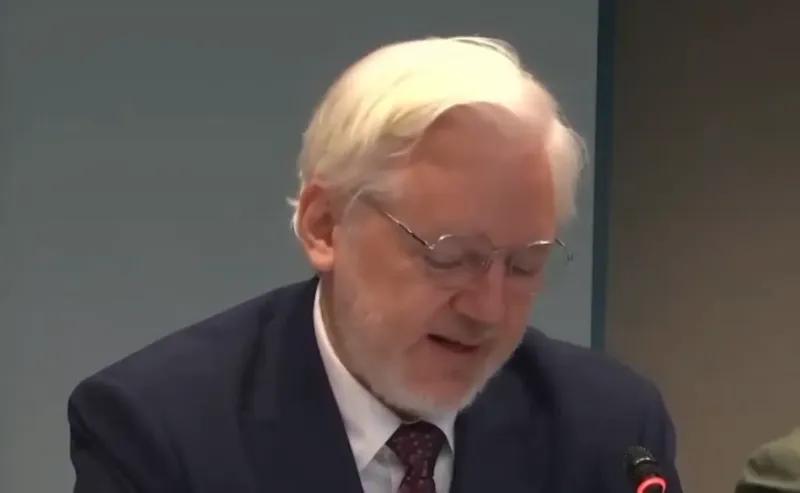
He is charged with offenses related to WikiLeaks’ publication of classified documents. Supporters argue that these revelations demonstrate the political nature of his prosecution and the extreme measures taken against him.
The case continues to raise important questions about press freedom, government transparency, and intelligence agency accountability.
As Assange’s legal battles persist, these new allegations are likely to intensify debates about journalism and whistleblowing in the digital age.
The implications of this case extend far beyond Assange himself, touching on fundamental issues of democracy and free speech.
This article was drafted with automated assistance and reviewed before publication. How we use AI · Report an error · Editorial responsibility: Matthias Camenzind, Editor-in-Chief