Inside Ambipar’s Crash: Swaps, Green Bonds, and a Confidence Shock in Brazil
Ambipar, a fast-growing Brazilian environmental-services group, has sought court protection in Rio de Janeiro while its U.S. arm filed Chapter 11 in Texas.
The company says it found irregularities in swap transactions arranged by its finance department, shortly after its chief financial officer resigned. The share price collapsed more than 20% in early trading, slipping below R$0.50 ($0.09).
The immediate trigger was a fight over collateral tied to derivatives linked to Ambipar’s dollar green bonds. When a major bank demanded more guarantees, it raised the risk that lenders could call in debts early.
Ambipar warned of possible accelerated maturities approaching R$10 billion ($1.89 billion), a cascade that could have drained cash and frozen operations.
Brazilian “judicial recovery” typically grants a 180-day pause on most collections while a restructuring plan is negotiated; Chapter 11 provides a similar shield in the U.S.
The story behind the story is about speed, leverage, and governance. Ambipar went public in 2020 at roughly R$25 ($4.72) a share and pursued about 70 acquisitions, expanding from 14 countries to more than 40.
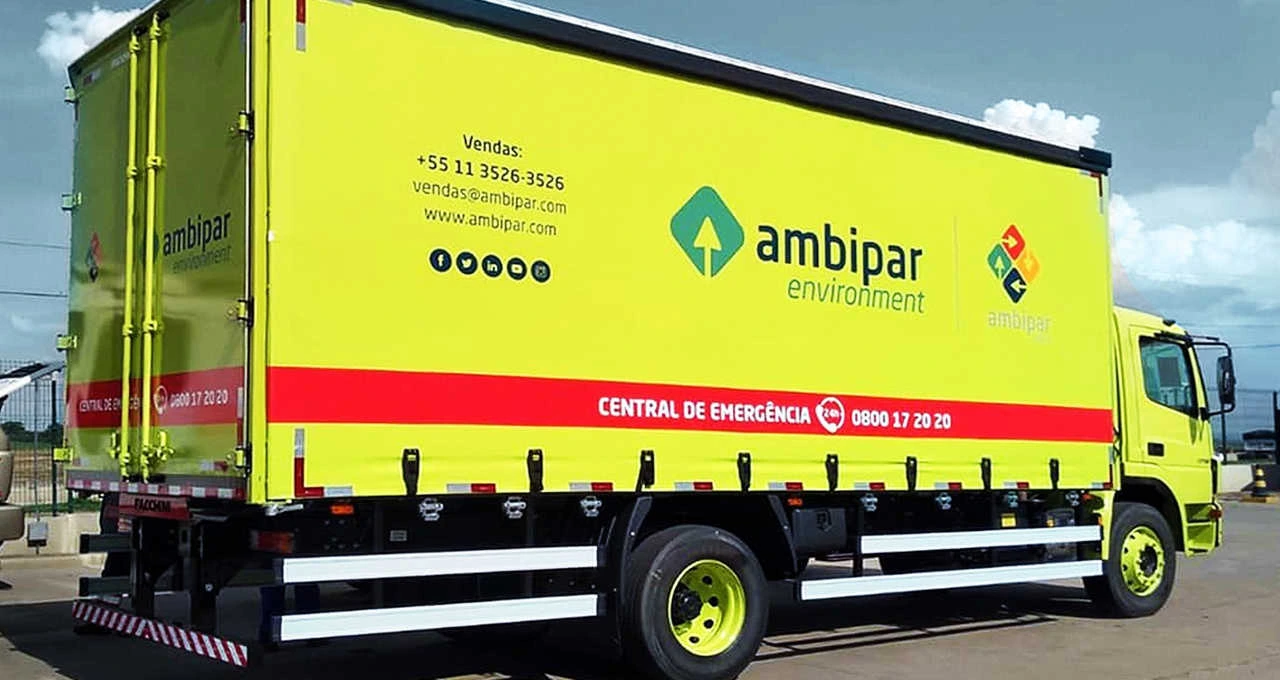
By mid-2025, it was carrying more than R$10.4–R$11 billion ($1.96–$2.08 billion) in obligations across two businesses: Emergency Response (rapid reaction to environmental incidents) and Environmental (long-term waste-management contracts).
Crisis and Control: Ambipar’s Forensic Turn
When confidence cracked—CFO exit, derivatives stress—the model flipped from roll-up momentum to liquidity scramble. The company hired FTI Consulting for a forensic probe and says a criminal inquiry is examining the former CFO’s conduct.
Ambipar has also alleged it was targeted by short sellers via swap addenda connected to its green bonds. Control remains with founder Tércio Borlenghi Junior (43.85%) and the Everest private-equity fund (23.83%).
Why this matters to readers outside Brazil: first, it is a reminder that “green” doesn’t mean simple—financing structures around sustainable bonds can be as complex and fragile as any on Wall Street.
Second, the episode shows how quickly collateral calls and opaque hedges can sink a company’s liquidity, even in a growing sector.
Third, Brazil’s restructuring toolkit is increasingly central to Latin American credit markets. Watch for creditor lists, any asset sales, the terms of new financing, and whether the investigation—and governance changes—can rebuild trust.
This article was produced by The Rio Times’ automated newsroom system. How we use AI · Report an error · Editorial responsibility: Matthias Camenzind, Editor-in-Chief
LatAm Markets: Live Signals → — real-time movers, turnover leaders and FX across Latin America.