Inflation Data Shifts Wall Street Mood, Delays Rate Cut Hopes
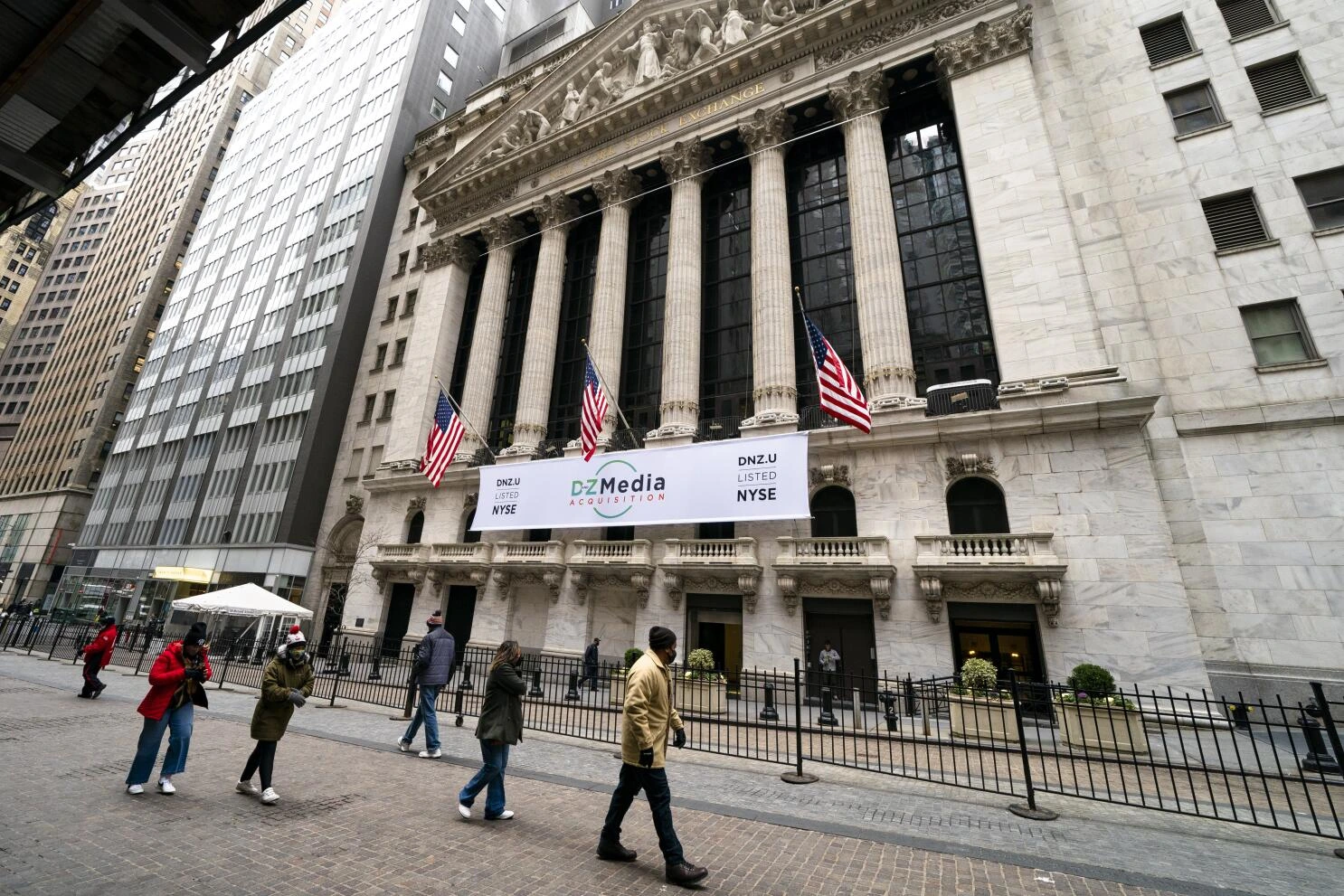
Wall Street shifted from optimism to caution, closing down significantly on Tuesday. This change was sparked by the latest US inflation figures for 2024, surpassing expectations.
These numbers prompted market analysts to push back the projected timeline for the Federal Reserve’s (Fed) next interest rate cut to June.
The day ended with notable declines across major indexes:
- Dow Jones fell by 1.35%.
- S&P 500 lost 1.37%
- Nasdaq was down by 1.80%.
The US Consumer Price Index (CPI) indicated a modest slowdown in January, yet it was more robust than forecast.
The CPI rose by 0.3% monthly, above the 0.2% rise analysts had anticipated. Yearly, consumer inflation slowed to 3.1% from December’s 3.3%, against a predicted 2.9%.
Core inflation stayed at 3.9% annually, defying expectations for a decrease to 3.7%.
Persistent US inflation challenges the Fed‘s stringent monetary policy, despite aggressive rate hikes aimed at steering inflation towards a 2% yearly goal.
Market sentiment initially leaned towards a March rate cut by the Fed.
However, January’s CPI data adjusted those expectations, and we are now eyeing a start to monetary easing in June.
This disappointing inflation news dampened spirits in New York, influencing global financial markets.
Market Reactions and Trends
The EWZ, a Brazilian ETF listed in New York, dropped 2.89%, hinting at potential reactions in Brazil’s market when trading resumes.
European stock markets also felt the pressure from the UK and US data, tempering rate-cut expectations. The FTSE-100, CAC-40, and DAX all closed in the red.
Conversely, oil futures rose amid Middle Eastern tensions and OPEC’s demand outlook for 2024.
Brent crude for April increased by 0.94% to $82.77 a barrel, while WTI for March went up by 1.24% to $77.87 a barrel.
This scenario illustrates the intricate relationship between inflation figures, central bank decisions, and their broad impact on global markets.
It highlights how sensitive the worldwide economy is to shifts in US monetary policy.
This article was produced by The Rio Times’ automated newsroom system. How we use AI · Report an error
LatAm Markets: Live Signals → — real-time movers, turnover leaders and FX across Latin America.
Read More from The Rio Times