IBOV 205,079.25 ▼ 0.17% IPSA 10,972.40 ▲ 0.02% IPC MEX 69,010.67 ▲ 0.12% MERVAL 3,017,221 — — COLCAP 2,521.34 ▼ 1.75% BVL PERÚ 59,664.64 ▲ 0.40% USD/BRL5.05▲ 0.28% USD/MXN18.41▼ 0.09% USD/CLP980.00▼ 0.49% USD/COP3,157▼ 0.57% USD/PEN3.44▼ 0.08% USD/ARS1,524▼ 0.02% USD/UYU40.10▲ 2.63% USD/PYG5,741▲ 0.96% USD/BOB11.62▲ 0.09% USD/DOP61.30▲ 2.85% USD/CRC448.31▲ 1.67% USD/GTQ7.64▲ 2.99% USD/HNL26.86▲ 3.09% USD/NIO36.62▲ 2.57% USD/VES879.67▼ 0.03% USD/PAB1.00— 0.00% USD/BZD2.00— 0.00% USD/JMD 157.28 — 0.00% USD/TTD6.73▲ 2.19% EUR/BRL5.67▼ 0.27% BRENT 88.88 ▼ 0.03% WTI 83.11 ▼ 0.11% IRON ORE 161.91 — — COPPER 6.61 ▲ 0.03% GOLD 4,461 ▲ 1.78% SILVER 65.59 ▲ 1.26% SOY 1,184 ▲ 3.20% CORN 480.50 ▲ 10.02% WHEAT 655.00 ▲ 3.93% COFFEE 317.25 ▼ 5.51% SUGAR 16.43 ▼ 1.79% ORANGE JUICE 138.55 ▼ 0.47% COTTON 85.03 ▲ 2.33% COCOA 5,719 ▲ 3.18% BEEF 223.60 ▼ 3.93% CATTLE 339.10 ▼ 3.16% LITHIUM 75.20 ▲ 1.47% PETR4 41.64 ▼ 0.05% VALE3 72.97 ▲ 0.83% ITUB4 38.60 ▼ 1.03% BBDC4 16.85 ▲ 0.36% ABEV3 14.89 ▼ 0.80% BBAS3 19.37 ▲ 0.47% B3SA3 14.26 ▼ 0.21% WEGE3 47.59 ▲ 0.49% PRIO3 59.14 ▼ 0.19% SUZB3 41.33 ▲ 2.35% RENT3 34.68 ▼ 0.09% AZZA3 15.89 ▼ 2.63% CSAN3 3.22 ▼ 1.83% RAIZ4 0.25 — 0.00% PCAR3 2.75 ▼ 0.36% GMAT3 3.65 ▼ 1.08% PSSA3 48.13 ▼ 0.54% CVCB3 1.33 ▼ 2.92% POSI3 3.36 ▲ 2.44% SLCE3 13.34 ▲ 0.30% NATU3 8.14 ▼ 0.73% IBOV 205,079.25 ▼ 0.17% IPSA 10,972.40 ▲ 0.02% IPC MEX 69,010.67 ▲ 0.12% MERVAL 3,017,221 — — COLCAP 2,521.34 ▼ 1.75% BVL PERÚ 59,664.64 ▲ 0.40% USD/BRL 5.16 ▲ 0.01% USD/MXN 17.06 ▼ 0.24% USD/CLP 913.98 ▲ 0.04% USD/COP 3,140 ▲ 0.03% USD/PEN 3.36 ▼ 0.66% USD/ARS 1,493 ▲ 0.10% USD/UYU 40.27 ▲ 1.24% USD/PYG 5,939 ▲ 1.68% USD/BOB 11.64 ▼ 0.76% USD/DOP 58.34 ▲ 1.25% USD/CRC 445.92 ▲ 0.89% USD/GTQ 7.62 ▲ 2.21% USD/HNL 26.79 ▲ 1.57% USD/NIO 36.62 ▲ 0.69% USD/VES 762.44 ▼ 0.13% USD/PAB 1.00 — 0.00% USD/BZD 2.00 — 0.00% USD/JMD 157.28 — 0.00% USD/TTD 6.70 ▲ 0.61% EUR/BRL 5.95 ▲ 1.01% BRENT 88.88 ▼ 0.03% WTI 83.11 ▼ 0.11% IRON ORE 161.91 — — COPPER 6.61 ▲ 0.03% GOLD 4,461 ▲ 1.78% SILVER 65.59 ▲ 1.26% SOY 1,184 ▲ 3.20% CORN 480.50 ▲ 10.02% WHEAT 655.00 ▲ 3.93% COFFEE 317.25 ▼ 5.51% SUGAR 16.43 ▼ 1.79% ORANGE JUICE 138.55 ▼ 0.47% COTTON 85.03 ▲ 2.33% COCOA 5,719 ▲ 3.18% BEEF 223.60 ▼ 3.93% CATTLE 339.10 ▼ 3.16% LITHIUM 75.20 ▲ 1.47% PETR4 41.64 ▼ 0.05% VALE3 72.97 ▲ 0.83% ITUB4 38.60 ▼ 1.03% BBDC4 16.85 ▲ 0.36% ABEV3 14.89 ▼ 0.80% BBAS3 19.37 ▲ 0.47% B3SA3 14.26 ▼ 0.21% WEGE3 47.59 ▲ 0.49% PRIO3 59.14 ▼ 0.19% SUZB3 41.33 ▲ 2.35% RENT3 34.68 ▼ 0.09% AZZA3 15.89 ▼ 2.63% CSAN3 3.22 ▼ 1.83% RAIZ4 0.25 — 0.00% PCAR3 2.75 ▼ 0.36% GMAT3 3.65 ▼ 1.08% PSSA3 48.13 ▼ 0.54% CVCB3 1.33 ▼ 2.92% POSI3 3.36 ▲ 2.44% SLCE3 13.34 ▲ 0.30% NATU3 8.14 ▼ 0.73%
since 2009
Tuesday, October 20, 2026

South Asia & India Agri Business

India’s $19.5 Billion Agricultural Investment Targets Growth and Food Security

By · February 11, 2025 · 2 min read

India has unveiled an ambitious plan to invest ₹1.71 lakh crore ($19.5 billion) in agriculture for the 2025-26 fiscal year, marking a significant increase from ₹1.4 lakh crore ($16 billion) allocated in the previous year.

This initiative, announced by Finance Minister Nirmala Sitharaman during the Union Budget 2025-26 presentation, aims to address food security for India’s 1.46 billion population while modernizing the agricultural sector and boosting rural incomes.

The government’s strategy includes the “Prime Minister Dhan-Dhaanya Krishi Yojana.” It will target 100 low-productivity districts to improve yields, irrigation infrastructure, and post-harvest storage.

The program is expected to benefit 17 million farmers directly. Additionally, the Kisan Credit Card (KCC) scheme will see its loan limit increased from ₹3 lakh ($3,420) to ₹5 lakh ($5,700), providing short-term financial support to over 77 million farmers, fishermen, and dairy producers.

India‘s agricultural sector employs 45% of its workforce but contributes only 15% to its $3.5 trillion economy. The new investments aim to stabilize food prices and increase exports, which currently account for just 7% of agricultural production.
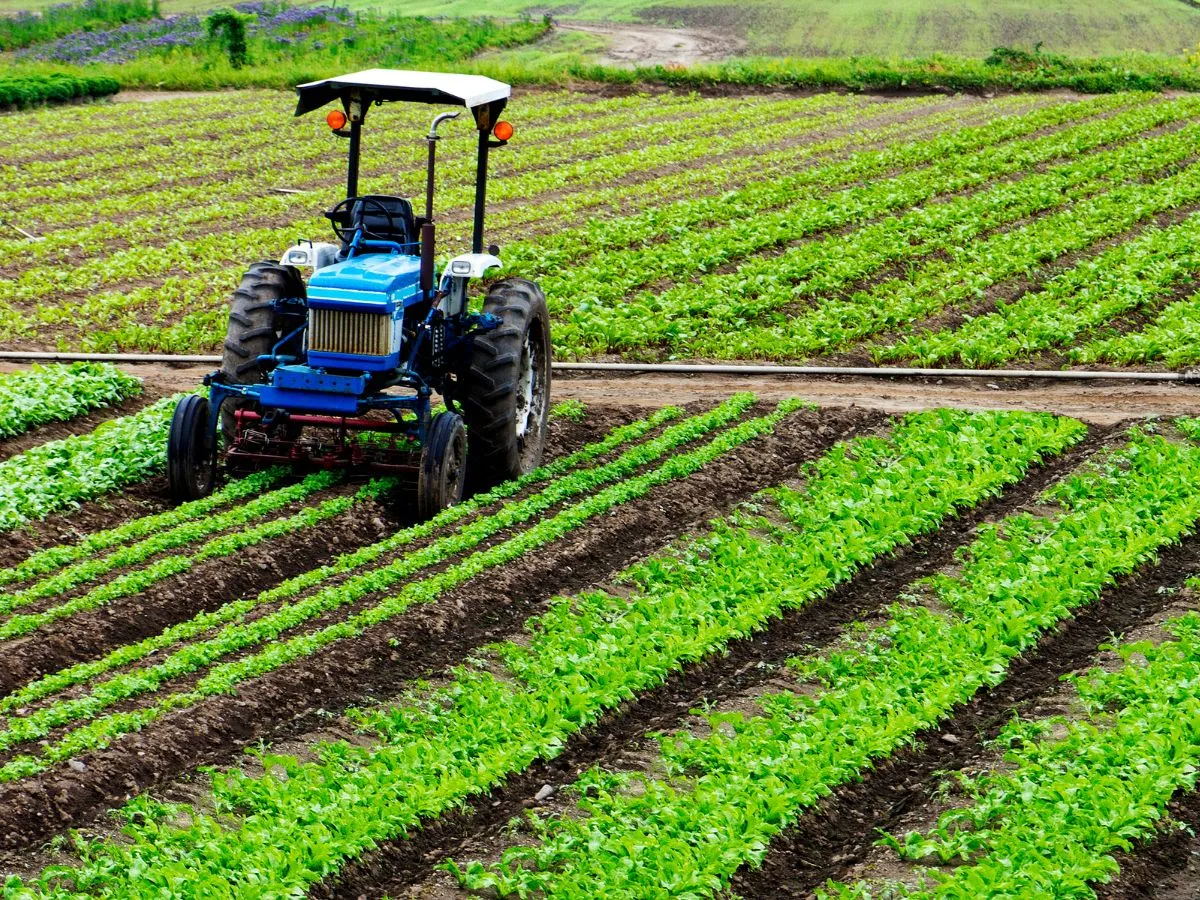
India's $19.5 Billion Agricultural Investment Targets Growth and Food Security
India’s $19.5 Billion Agricultural Investment Targets Growth and Food Security.
RT
Ask Rio Times
Latin American markets, currencies and companies.
Open the full Ask Rio Times →

The government also plans a six-year “Mission for Self-Sufficiency in Pulses,” focusing on crops like tur and masoor, with a ₹1,000 crore ($117 million) allocation for 2025-26.

The LatAm Brief

One email, every weekday morning. What moved in Latin American markets, politics and expat life.

Yesterday’s subject line: “Mexico says Trump raised US gas sales in trade talks”

Free. We send a confirmation link first — nothing arrives until you click it. Unsubscribe with one click in any edition. If you stop opening us for 30 days we stop sending by ourselves, as we assume the interest is no longer there. See our privacy policy. We never share your email.

India’s Agricultural Reforms

This investment comes amid growing challenges, such as climate change and rising food demand. It is projected that food demand will reach 400 million tonnes by 2050.

To address these issues, the government will launch initiatives like the “National Mission on High-Yielding Seeds.” It will also introduce a comprehensive program for fruits and vegetables, with funding of ₹500 crore ($58 million).

These efforts aim to promote sustainable farming practices and improve productivity. In comparison, Brazil has announced a $90 billion agricultural modernization plan through 2029, emphasizing sustainability and export growth.

While Brazil focuses on reducing carbon footprints in farming, India prioritizes domestic food security alongside export expansion. India’s agricultural reforms underscore its commitment to transforming the sector into a growth engine for the economy.

However, successful implementation will require addressing systemic inefficiencies, ensuring robust infrastructure development, and fostering private-sector participation to complement public investments.

This article was produced by The Rio Times’ automated newsroom system. How we use AI · Report an error · Editorial responsibility: Matthias Camenzind, Editor-in-Chief

The Rio Times · Power Map
See who really holds power in Latin America
Click to open the Power Map →

Rotate for Best Experience

This report is optimized for landscape viewing. Rotate your phone for the full experience.