GringoView: The generational chasm between celebrity and quiet action
(Opinion) You can’t have failed to notice that celebrities get all the attention these days. Or that more and more, there is a growing chasm between the ‘golden oldie’ generation which predominantly still holds the levers of world power, and the ‘millennials’, a fuzzily bordered term for people born between the early 1980s and early 2000s and ‘generation ‘Z’ which follows close behind.
On the surface, celebrity choice and age difference would seem to have little in common. But recent research into the difference in attitudes of younger and older generations towards the institutions of government and the celebrity figures who control them are sharply divergent.
All our public discourse appears to have been ‘dumbed down’, reduced to sound bites that compete for time on the evening news. Telling the ‘truth’ and civil conversation has largely been replaced by whatever wild, attention-getting statements are likely to have the greatest chance of going viral and adding a layer to the celebrity of the speaker.
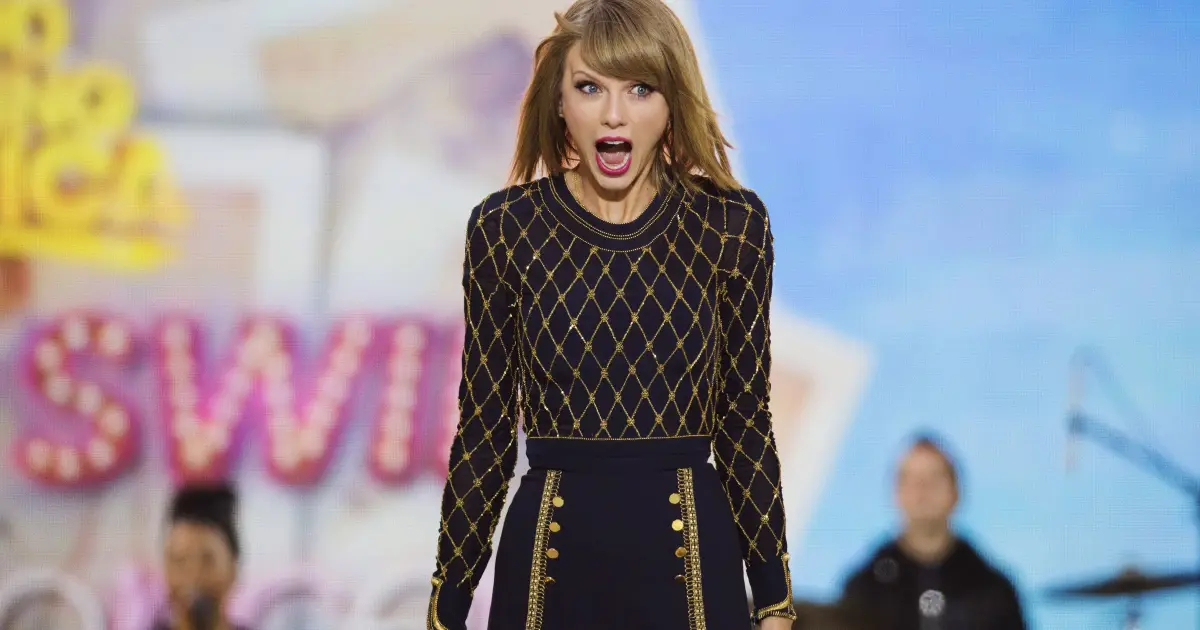
‘Name recognition’ has a lot more weight than any solid accomplishments. The mall murderer gets 24/7 media attention while the truly mind-blowing achievements of the Webb telescope, sending brilliant pictures from one million miles out in space receives hardly more than a footnote.
The popular throw-away line – “In the future, everyone will be world-famous for 15 minutes”,- generally attributed to pop artist Andy Warhol, describes how modern media, especially ‘social’ media, elevates a person or event and then quickly moves on.
Legislators such as the combative congressman Jim Jordan or the racist and misogynistic Texas senator Ted Cruz stand for nothing more than retaining their position as super celebrities for the forty-eight percent of Republican adults who consider Fox News to be a credible news outlet, 69% of whom are aged 50 or older.
Whatever you think of Donald Trump, he defines this era of celebrity and whatever he does, he remains in the headlines.
Sadly, President Joe Biden does not.
Biden’s low approval ratings would appear to be the direct result of his never having been nor likely ever will be, a celebrity. His advanced age disqualifies him for serious consideration by the generation ‘Z’ or the millennials. When he journeys to share the grief of the families whose children have been massacred in yet another school shooting, he sincerely and deeply shares their grief, a private thing, not something to catapult him to celebrity fame.
When, as recently, he travels abroad and meets with other world leaders, he doesn’t grandstand like his predecessor. He doesn’t throw his arms up and threaten to leave NATO. He quietly works to strengthen it. Instead of photo opportunities on the golf course with his rich and famous buddies, the glitzy noise that makes news in today’s celebrity-dominated society, Biden prefers to return to his Delaware home where he often spends weekends alone with his family.
A recent Times/Siena College Poll highlights a “lack of faith” and a “loss of trust in government” among the young. The World Economic Forum reports that as early as 2011, 24% of U.S. millennials considered democracy to be a “bad” or “very bad” way of running the country. That number has surely grown.
This chasm between generations could be an optimistic sign for the future.
Born in 1997 or later, Generation ‘Z’ has been described as “the most iconoclastic, inclusive, politically motivated, fashion-forward, and open-minded generation ever.” It is the first generation ‘native’ in their use of technology, born into a world where social media, replete with a diversity and irreverence of immediately accessible views, is everywhere.
It should be no surprise that with their short attention spans, ‘Z’ers find the endless squabbling and posturing that makes up today’s political discourse the reason they don’t trust government to address today’s major problems, like the willful destruction of the environment. They are skeptical of our corporate and money-driven society and applaud those who ‘tune out’ and do their own thing.
“The largest divide is not necessarily left versus right, but those that are generationally old versus young,” commented a 22-year-old technology worker in the Times poll.
Nearly half — 48 percent — of those between the ages of 18 and 29 surveyed by the ‘Times’ said voting did not make a difference in how their government operates. They may be right but may also be underestimating today’s velocity of change. s
The current and future influence of Generation Z should not be overlooked. Their numbers make up one-tenth of the US electorate. Will they use their voting power for change? No one yet knows. Like the millennials, their celebrity icons are more diverse, and more encompassing than those of their parents.
And they have different attitudes. This is the last generation to be predominantly white (52%). They consider their celebrities, music stars or social action leaders like the young Swede, Greta Thunberg.
Unlike the carefully managed celebrity movie stars who preceded them, they are no longer afraid to speak out on issues they feel are important, even if it can create a career-endangering backlash.
They consider Barack Obama, the country’s first black president, a true celebrity. They abhor the Supreme Court’s decision to end Roe V. Wade’s protection for abortion rights and take the legalization of gay marriage for granted. This is a significant and positive change.
Can the great divide between the generations be traversed? If it signals a new order with celebrities, not from time-worn reality shows but from the real world, it can be no bad thing.
Editorial responsibility: Matthias Camenzind, Editor-in-Chief · Editorial standards · Report an error
Read More from The Rio Times