
UNITED STATES · ANALYSIS
Key Facts
- —What is happening Statistics Canada reports 23,096,000 Canadian visits to the United States in 2025, down from 30,185,000 in 2024; local press reports, citing preliminary LVCVA data, that Las Vegas received 1,196,300 Canadian visitors in 2025, down 17.4% from 1,448,700 in 2024.
- —Why it matters Canadian visitors are high-spending international tourists who support Las Vegas hotels, casinos, restaurants, entertainment and conventions.
- —The numbers Canadian travel spending in the United States fell by C$3.3 billion in 2025, while Canadian-resident return crossings dropped 25.4% year over year, according to Statistics Canada.
- —Who is who Steve Hill leads the Las Vegas Convention and Visitors Authority, the destination-marketing body that tracks visitor data and promotes Southern Nevada tourism.
- —What to watch The 3 November 2026 midterm elections will test whether Nevada Democrats can convert tourism losses into House seat gains.
- —What it means for you US investors in casino, airline and hotel stocks should watch Canadian visitor recovery as a leading indicator for Las Vegas revenue through the 2026-2027 winter season.
Canadian visits to the United States fell 23.5%, or 7.1 million visits, in 2025. For US readers, the decline is a measurable hit to Nevada jobs, tourism revenue and the political map ahead of the 3 November 2026 midterm elections.
Las Vegas is the most tourism-dependent major city in the United States, and Canada has long been one of its most reliable international markets. This analysis explains the scale of the Canadian pullback, who loses most, and what the dispute means for investors, workers and voters, drawing on the USA-Canada Intelligence Brief.
How Big Is the Canadian Travel Drop
The national numbers are stark. Statistics Canada recorded 39 million Canadian-resident return crossings from the United States in 2024, roughly three-quarters of all Canadian return crossings from abroad.
In 2025, that total fell 25.4% year over year. Canadian travel spending in the United States dropped by C$3.3 billion, to C$18.8 billion, while Canadians made 7.1 million fewer US visits, a 23.5% decline.
The decline was not uniform. Canadian-resident return trips from the United States declined 29.7% year over year in August 2025.
Leisure travel bore the heaviest losses. Canadian leisure visits to the United States fell 21.5%, or 3.2 million trips, while overseas leisure travel increased 12.2%, or 1.1 million trips, according to Statistics Canada’s National Travel Survey.
The substitution effect is critical. Domestic Canadian travel increased by 5.0 million visits and overseas trips rose by 1.3 million, almost offsetting the reduction in US travel, meaning the boycott redirected spending rather than eliminated it.
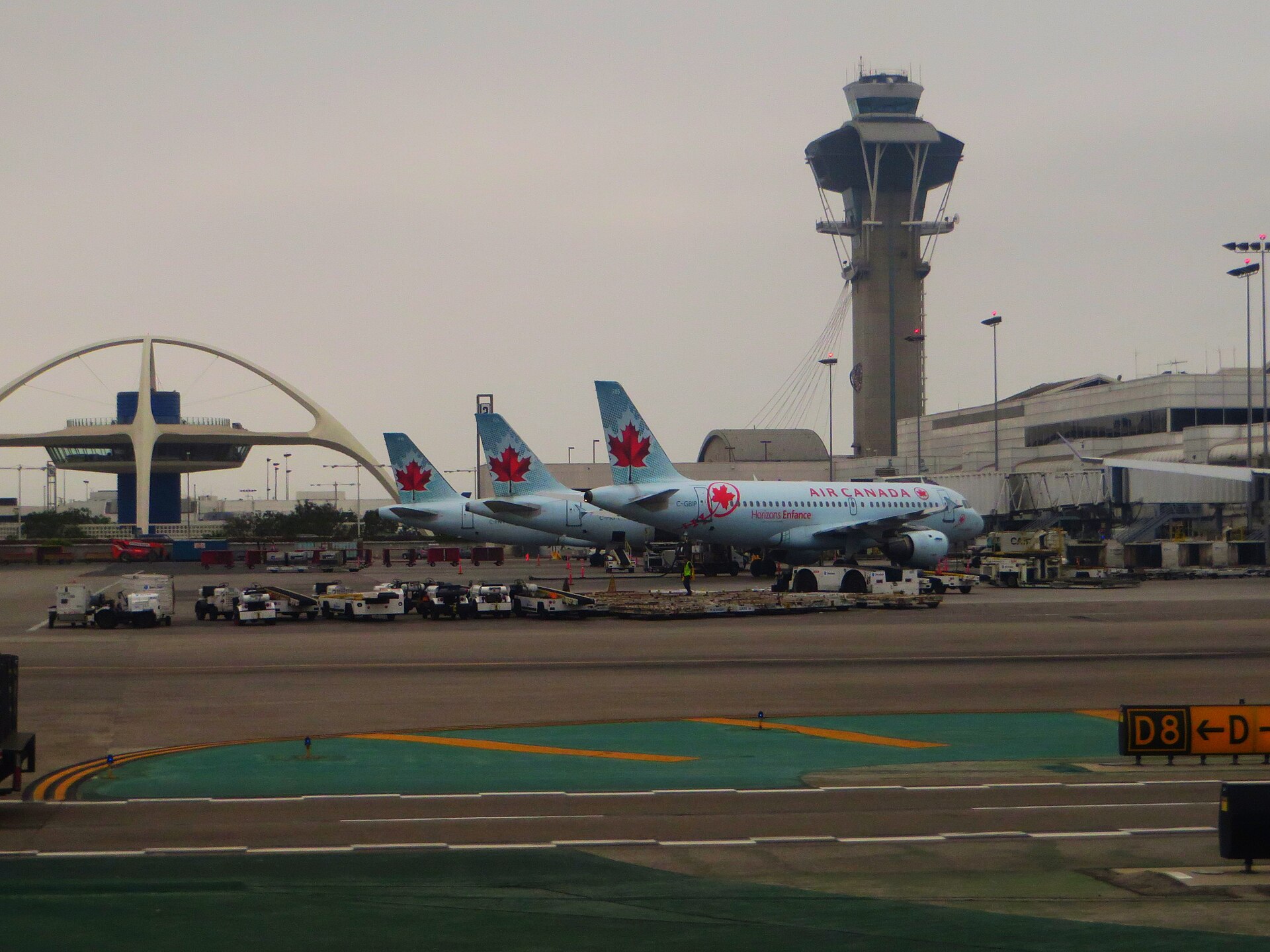
Las Vegas Takes a Concentrated Hit
Las Vegas is unusually exposed because Canadian visitors tend to arrive by air and spend across several high-margin categories at once. A single cancelled trip removes an airline seat, multiple hotel nights, gaming spend, meals, entertainment tickets and local transportation.
Statistics Canada reports 23,096,000 Canadian visits to the United States in 2025; local press reports, citing preliminary LVCVA data, that Las Vegas received 1,196,300 Canadian visitors in 2025, down 17.4% from 1,448,700 in 2024.
The Tariff Dispute Behind the Boycott
The travel shift followed the change in US administration in early 2025 and the introduction of America First policies, according to Statistics Canada’s analysis. The agency described a sharp change in Canadian travel sentiment after the political shift and the implementation of new US trade measures.
The central economic trigger was the tariff dispute between the United States and Canada. Tariffs raised the political cost of buying US goods for Canadian consumers and encouraged buy Canadian behaviour.
Travel became part of that response because a Las Vegas trip is a discretionary purchase, unlike many essential imports. Canadians could express opposition to US policy without giving up necessities, making tourism one of the fastest sectors to feel the reaction.
CBC reported that the tourism decline is being attributed politically to President Donald J. Trump’s attacks on Canada, including remarks associated with making Canada the 51st state. President Trump took office on 20 January 2025.
The boycott was therefore both economic and symbolic. Some downtown Las Vegas hotels reportedly offered Canadian visitors a one-for-one US-dollar/Canadian-dollar exchange, effectively treating the Canadian dollar as equal to the US dollar, a sign of how desperate operators were to win back Canadian guests.
Who Loses Most: States and Sectors
Nevada is among the clearest state-level losers because Las Vegas has a large Canadian visitor base and a tourism economy heavily concentrated in discretionary spending. The most exposed businesses are casino-resorts, hotel operators, airlines serving Harry Reid International Airport, restaurants, nightlife venues, entertainment companies, convention organisers and transportation services.
The employment effect is broader than casino-floor jobs. Lower occupancy reduces demand for housekeeping, food and beverage, maintenance, security, event staffing and contracted services, while weaker gaming and entertainment volumes also affect state and local tax collections.
Florida is exposed through Orlando, Miami, Fort Lauderdale, Tampa and cruise ports, where Canadian travellers are important to theme parks, cruise lines, vacation rentals and hotels. The Canadian pullback is especially damaging to winter travel, when Canadian visitors traditionally seek warmer weather.
New York, California, Illinois and Massachusetts are exposed through international air arrivals, shopping, culture, conventions and higher-spending urban tourism. Border states such as Michigan, Washington, New York, Maine, Vermont and Minnesota face different losses: fewer same-day trips directly reduce retail and food-service sales.
Airlines lose first through lower passenger volumes and weaker yields. Canadian routes to Las Vegas, Florida, California and major US hubs are particularly exposed because leisure passengers are price-sensitive and can switch destinations.
Nevada Politics and the 2026 Midterms
The travel boycott has become a campaign issue because Nevada combines a tourism-dependent economy, a narrow political environment, a large and visible hospitality workforce, and a congressional map in which small changes in turnout and economic sentiment can matter.
Nevada Democrats are using the decline in Canadian visitors in closely contested House races to argue that tariff and diplomatic policies are damaging local businesses and jobs. The argument is politically effective because the losses are tangible: fewer hotel bookings, weaker restaurant traffic, reduced airline demand and lower convention activity.
The relevant election date is 3 November 2026, the scheduled date for the US midterm elections. Every seat in the House of Representatives is on that ballot, so local issues such as tourism can matter in close races.
The political stakes extend beyond Nevada. If the Canadian boycott narrative resonates with hospitality workers and small-business owners, it could influence turnout in a state where narrow margins often decide House control.
The timing suggests the tourism industry is actively trying to repair the relationship before the winter season.
What It Means for the United States and Latin America
For the United States, the Canadian boycott removes billions of dollars from the travel economy and weakens air-dependent destinations such as Las Vegas. The C$3.3 billion spending decline in 2025 is a direct transfer away from US hotels, airlines, restaurants and attractions.
For Latin America, the shift creates an opening. Canadian travellers who redirected spending toward overseas destinations may choose Caribbean, Mexican or South American alternatives, while US tourism operators may compete more aggressively for Latin American visitors to fill the gap.
The LVCVA’s Las Vegas Convention Center completed a US$1 billion West Hall expansion in 2021.
A sustained Canadian boycott would pressure the visitor volumes that justify such capital spending.
The 2026 data show partial recovery against a depressed base. Canadian-resident return trips from the United States rose 8.8% year over year in August 2026, but automobile crossings remained 27.4% below August 2024 and air crossings were 22.7% below August 2024.
Scenarios: What Could Stabilise or Worsen the Decline
A stabilisation scenario would require a de-escalation of US-Canada trade tensions, a stronger Canadian dollar relative to the US dollar, and sustained marketing efforts such as Brand USA’s October 2026 Canada event.
A worsening scenario would involve new tariffs, further diplomatic friction, or a prolonged period of weak air capacity on Canadian routes.
The most likely near-term path is uneven recovery. Year-over-year growth in 2026 is inflated by comparison with the 2025 collapse, and the more meaningful benchmark is 2024, against which Canadian travel to the United States was still roughly one-quarter to one-third lower in the latest available months.
Investors should watch quarterly disclosures from publicly traded casino and hotel operators with significant Las Vegas exposure. The Canadian component is often not reported separately, making LVCVA visitor-origin data and company commentary essential for measuring the local effect precisely.
What It Means for You
If you hold casino, airline or hotel stocks, Canadian visitor recovery is a leading indicator for Las Vegas revenue through the 2026-2027 winter season. The 23.5% drop in Canadian visits to the United States in 2025 directly pressures occupancy, gaming revenue and ancillary spending.
If you work in hospitality, the boycott means fewer shifts in housekeeping, food and beverage, and event staffing, with the effect concentrated in Nevada, Florida and major gateway cities. The political debate over tariffs now has a direct jobs component in tourism-dependent districts.
If you are a US traveller, the Canadian pullback may create short-term deals as Las Vegas operators discount rooms and offer promotions to fill the gap. But it also means reduced international visitation, which can weaken the overall quality and variety of the tourism experience.
What Is Not Known
The available research does not provide a complete Las Vegas-specific calculation of Canadian spending losses in dollar terms. The national C$3.3 billion decline is documented, but the local share requires LVCVA monthly visitor-origin tables and company disclosures that are not yet public.
Which Nevada House candidates are using the boycott as a campaign issue is not confirmed here. Readers should check each candidate’s own statements.
The precise impact on Nevada state and local tax collections from reduced Canadian gaming and entertainment spending is not quantified in the research. Lower visitor volumes affect tax revenue, but the exact figures require state revenue reports that were not available.
What to Watch
The 3 November 2026 midterm elections are the immediate political test. Watch whether Nevada Democrats succeed in converting tourism losses into House seat gains, and whether Republican candidates offer a counter-narrative on trade and jobs.
No specific official Las Vegas event date or government deadline was supplied in the available results.
Watch for finalised annual visitor, airport, border-crossing and spending figures from Statistics Canada and the LVCVA. The available sources do not provide confirmed publication dates from the relevant statistical agencies.
Frequently Asked Questions
How much did Canadian tourism to Las Vegas drop?
Statistics Canada reports 23,096,000 Canadian visits to the United States in 2025, down from 30,185,000 in 2024; local press reports, citing preliminary LVCVA data, that Las Vegas received 1,196,300 Canadian visitors in 2025, down 17.4% from 1,448,700 in 2024. That is approximately 252,400 fewer Canadian visitors than in 2024.
Why are Canadians boycotting Las Vegas?
The boycott followed the change in US administration in early 2025 and the introduction of America First policies, including tariffs on Canadian goods. Statistics Canada described a sharp change in Canadian travel sentiment after the political shift and the implementation of new US trade measures.
How much did Canadian travel spending in the US fall?
Canadian travel spending in the United States fell by C$3.3 billion in 2025, to C$18.8 billion, according to Statistics Canada. Canadians made 7.1 million fewer US visits, a 23.5% decline.
Which US states lose most from the Canadian travel boycott?
Nevada is among the clearest state-level losers because Las Vegas has a large Canadian visitor base and a tourism economy heavily concentrated in discretionary spending. Florida, New York, California and border states such as Michigan and Washington are also exposed.
Is Canadian travel to the US recovering in 2026?
The 2026 figures show improvement compared with 2025, but the United States remains substantially below 2024. Canadian-resident return trips from the United States rose 8.8% year over year in August 2026, but remained 27.4% below August 2024 for automobile crossings and 22.7% below for air crossings.
Who leads the Las Vegas Convention and Visitors Authority?
Steve Hill is the president and chief executive officer of the Las Vegas Convention and Visitors Authority, the destination-marketing body that tracks visitor data and promotes Southern Nevada tourism. He also chairs the Las Vegas Stadium Authority.
When are the US midterm elections in 2026?
The US midterm elections are scheduled for 3 November 2026. Nevada Democrats are using the decline in Canadian visitors in closely contested House races to argue that tariff and diplomatic policies are damaging local businesses and jobs.
Sources: riotimesonline.com, www150.statcan.gc.ca, statcan.gc.ca, www150.statcan.gc.ca, www150.statcan.gc.ca, www150.statcan.gc.ca. Retrieved 13 October 2026.
This article was produced by The Rio Times’ automated newsroom system. How we use AI · Report an error · Editorial responsibility: Matthias Camenzind, Editor-in-Chief
LatAm Markets: Live Signals → — real-time movers, turnover leaders and FX across Latin America.