Global Political Shifts Impact the Dollar Amid Fiscal Strategy Adjustments
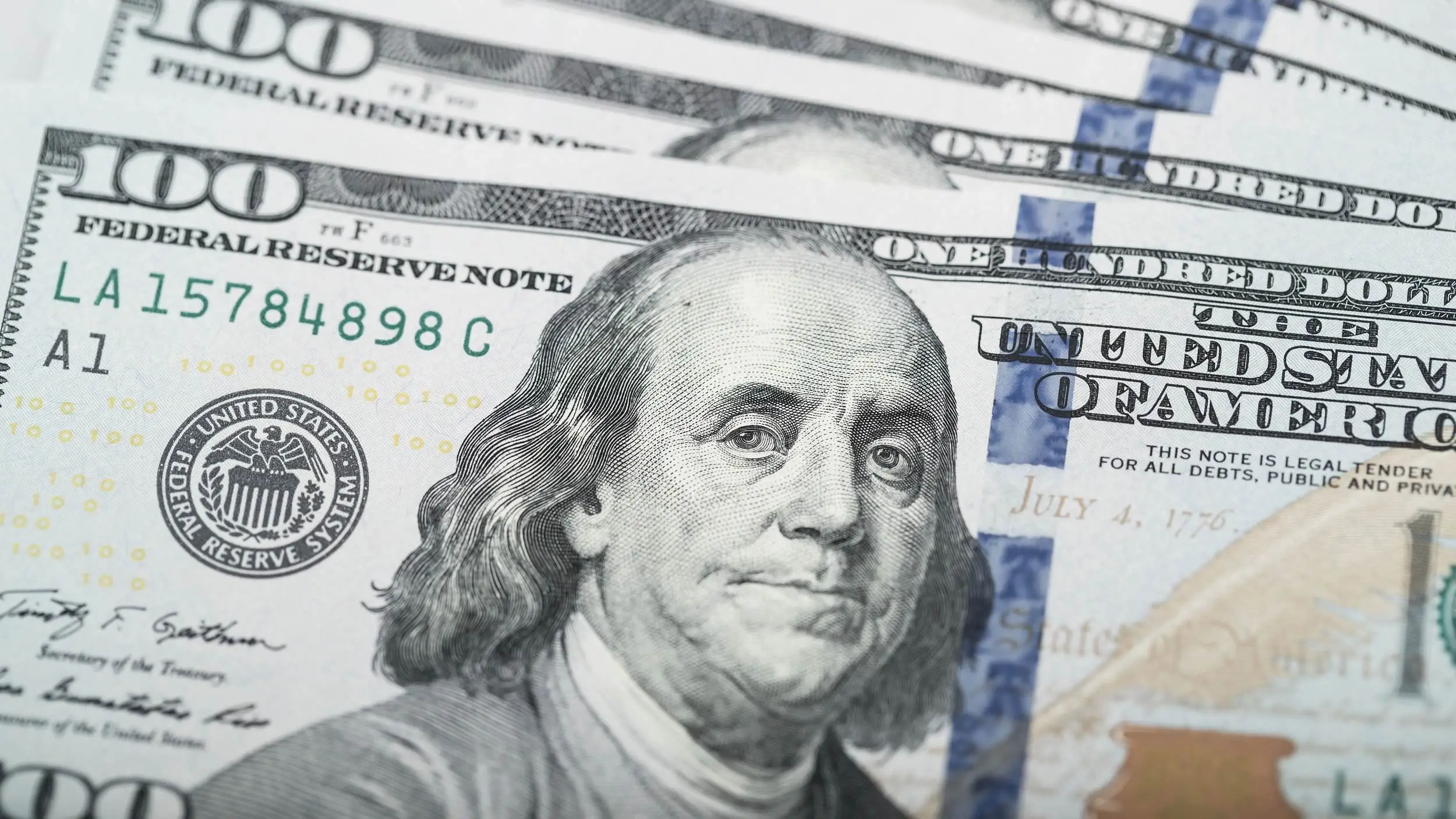
On Monday, the U.S. dollar dropped 0.61% after a major U.S. political figure announced they wouldn’t run in the upcoming election.
This news reversed a previous 3% weekly gain and cast a spotlight on emerging markets like Brazil, which responded promptly.
In Brazil, a R$15 billion freeze in the 2024 budget was part of efforts to tighten fiscal control and prevent deficits.
The dollar’s value showed fluctuations throughout the day, reflecting the market’s response to these events.
After a series of increases, the commercial dollar closed at R$5.569 for buying and R$5.570 for selling. The futures market also saw the dollar declining slightly further.
The departure of the U.S. political figure from the race changes the political landscape.
Market analysts suggest that introducing a new candidate could revitalize the campaign, potentially balancing the upcoming election.
Last week, concerns about potential restrictive trade policies under another candidate had boosted the dollar as markets anticipated U.S. policy shifts.
A market analyst commented, “The withdrawal reshapes market expectations, introducing uncertainty into the election outcome. Today’s market reaction includes an easing of both the dollar and U.S. Treasuries.”
Moreover, the dollar index, which tracks the U.S. dollar against a basket of currencies, saw a minor reduction of 0.08% to 104.31 points.
Global Political Shifts Impact the Dollar Amid Fiscal Strategy Adjustments
Domestically, financial strategies impacted currency movements. Carry trade resumed, where investors borrow at low rates abroad to invest in higher-yielding assets, underscoring global financial interconnectedness.
A significant political leader in Brazil reiterated a commitment to stringent fiscal management.
“We will cut budgets as needed to maintain fiscal responsibility,” he stated, affirming a commitment to economic stability.
The dollar dipped to R$5.5357 by early afternoon, highlighting a day of major financial changes driven by global politics and domestic policies.
This narrative highlights how political decisions can influence economic dynamics worldwide, affecting market stability and investor decisions.
This article was produced by The Rio Times’ automated newsroom system. How we use AI · Report an error
LatAm Markets: Live Signals → — real-time movers, turnover leaders and FX across Latin America.
Read More from The Rio Times