Germany’s China Bet Hits a Four-Year High, While Pulling Back From the U.S.
Key Points
- German investment into China rose above €7 billion ($8 billion) in January–November 2025, the highest level in four years.
- The total was up 55.5% from about €4.5 billion ($5 billion) in 2024 and 2023, according to IW data compiled for Reuters.
- The U.S. pullback is the contrast: German investment into the U.S. fell to about €10.2 billion ($11.1 billion) in February–November 2025, down roughly 45%.
German companies poured fresh capital into China in 2025 at the fastest pace in years, a sign that boardrooms are treating market access as a manufacturing problem as much as a sales one.
Data compiled by the German Economic Institute (IW) for Reuters show German investment flows into China rose to more than €7 billion ($8 billion) from January through November 2025, the highest level in four years, and a 55.5% jump from roughly €4.5 billion ($5 billion) in both 2024 and 2023.
The driver is less ideology than arithmetic. When trade rules become noisy, firms try to shorten the distance between where they produce and where they sell.
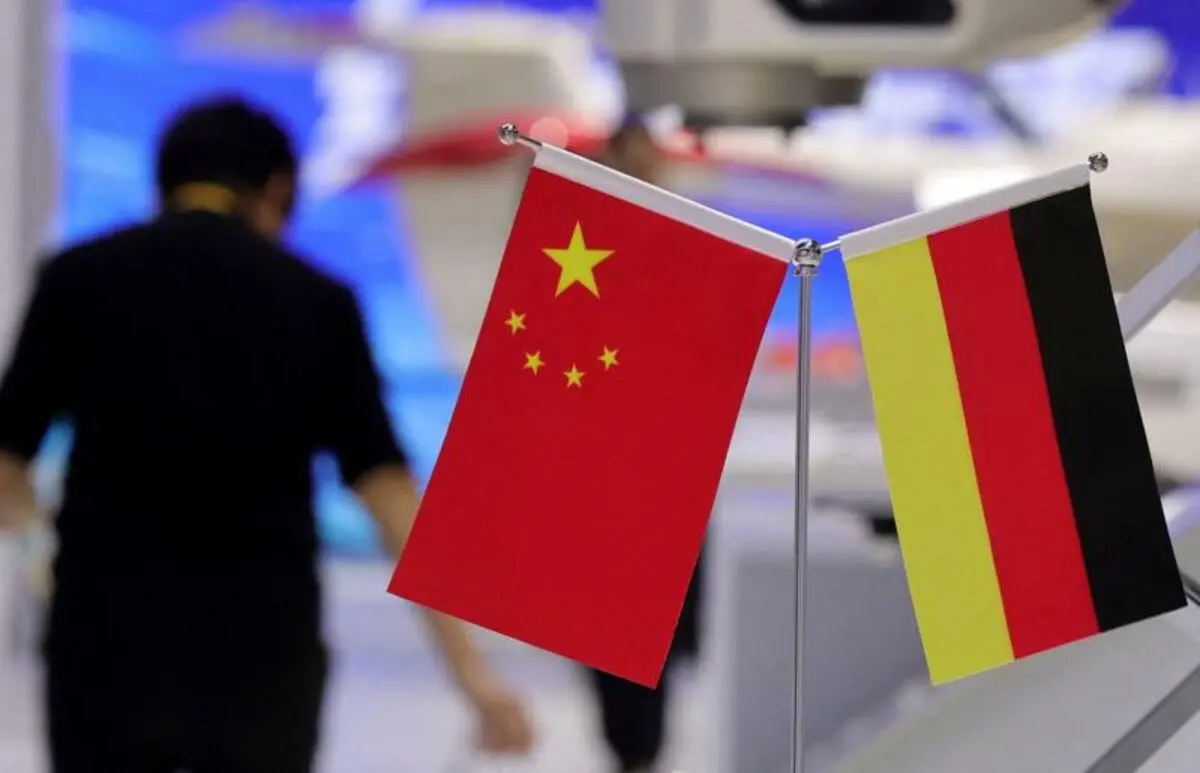
IW’s Juergen Matthes described a trend toward strengthening local supply chains in China, so companies can keep serving Chinese customers even if tariffs rise or export controls tighten. Put simply, “China for China” lowers exposure to sudden border costs.
The comparison point is the United States, where investment sentiment cooled. IW analysis drawing on Bundesbank-linked data estimates German companies invested about €10.2 billion ($11.1 billion) in the U.S. from February to November 2025.
Down from almost €19 billion (about $20.7 billion) a year earlier. Even against the 2015–2024 average of €13.4 billion ($14.6 billion), the 2025 figure was more than 24% lower.
Trade flows weakened as well: IW estimates German exports to the U.S. fell 8.6% between February and October 2025, with auto shipments down nearly 19%, machinery down about 10%, and chemicals down more than 10%.
China Trade Shifts Reshape German Strategy
China’s trade weight remains enormous. From January to September 2025, Germany’s total trade with China was €185.9 billion ($202.3 billion), narrowly ahead of €184.7 billion ($201.0 billion) with the United States.
Yet the details show the squeeze: German exports to China fell 12.3% year on year, while imports from China rose 8.5%. That divergence helps explain why some firms prefer to invest inside China rather than ship into it.
Germany Trade & Invest has forecast China could fall to seventh among German export destinations in 2025, in part because more German output is being made locally.
There is also a risk signal in the background. China reported inbound foreign direct investment of 747.7 billion yuan ($107.38 billion) in 2025, down 9.5%. Germany’s surge, then, looks like a targeted bet by large industrial players rather than a broad global rush.
Reuters cited heavyweights with deep China exposure, including BASF, Volkswagen, Infineon, and Mercedes-Benz. It also noted ebm-papst’s €30 million ($33 million) expansion as a smaller example of the same logic.
For policymakers, the message is blunt. Tariffs are meant to change trade flows. They are also changing where factories get built.
Related coverage: Brazil’s Morning Call | PicPay’s Nasdaq IPO Tests Whether Pix-Era Wallets Can Become This is part of The Rio Times’ daily coverage of global affairs and Latin American financial news.
This article was produced by The Rio Times’ automated newsroom system. How we use AI · Report an error · Editorial responsibility: Matthias Camenzind, Editor-in-Chief
Read More from The Rio Times